
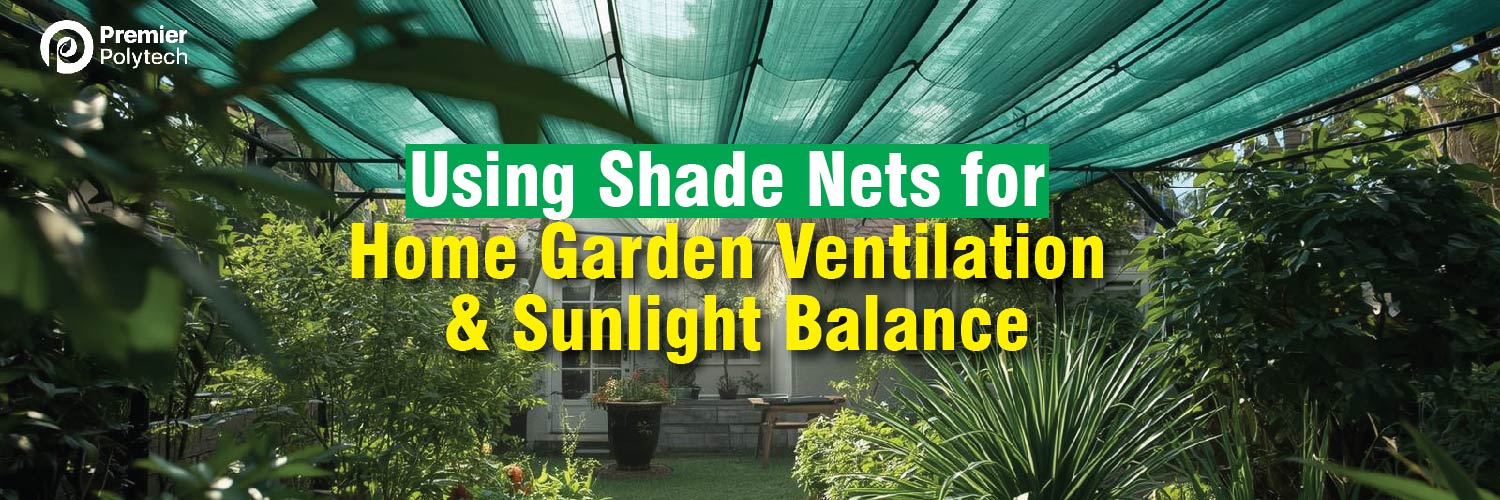
For the enthusiastic home gardener, success often comes down to managing the intense mid-day sun. Potted plants, raised beds, and delicate ornamentals can quickly suffer from heat stress, scorched leaves, and rapid soil drying, especially on patios, balconies, or small urban plots.
While professional farmers use shade nets for large-scale operations, these versatile tools are equally transformative for the backyard. HDPE (High-Density Polyethylene) Shade Nets offer the perfect solution to create a personalized, climate-controlled sanctuary for your plants, ensuring robust growth without the complexity or cost of a full greenhouse.
This guide explores how home gardeners can strategically use shade nets to achieve the optimal balance of diffused sunlight and essential ventilation, guaranteeing a healthier, more productive garden right outside your door.
The biggest threat to home gardens in summer is not just the heat, but the intensity of direct, unfiltered solar radiation.
Direct Sunlight Damage: Intense afternoon sun can burn the leaves and flowers of sensitive plants (like ferns, impatiens, and many herbs). This damage, known as sunscald, is irreversible.
The Solution: A shade net (usually for home gardens) filters the light, blocking the most damaging UV rays. This process converts harsh direct sun into soft, diffused light that penetrates the entire plant canopy without burning. This leads to healthier, greener foliage and vibrant flowers.
Targeted Protection: Unlike field crops, potted plants and raised beds heat up faster and dry out quicker. A shade net suspended above these areas creates a localized cool zone, shielding the root systems from excessive heat buildup.
Custom Placement: Nets can be easily draped over simple DIY frames (like PVC pipe or bamboo structures) to provide shade exactly where it is needed—perfect for small, uneven backyard spaces.
Vegetables: In hot climates, crops like lettuce, spinach, and even tomatoes can benefit from moderate shade to prevent bolting (flowering prematurely) and stress, ensuring a longer, sweeter harvest.
Ornamentals: Shade-loving flowers and foliage plants, which often struggle near sunny walls or concrete surfaces, thrive under the consistent, gentle light provided by the net.
Shade nets are unique because, while they block light, they are made of a breathable mesh, which is crucial for air exchange.
Airflow is Essential: Unlike solid tarps or clear plastic covers, the mesh structure of an HDPE net allows air to pass through freely. This prevents stagnant air pockets and the dangerous buildup of humidity and heat that can occur under solid covers.
Evacuation of Warm Air: The open weave ensures that warm air can easily escape and be replaced by cooler air, maintaining the critical temperature differential beneath the net.
Controlling Humidity: Stagnant, humid conditions are the primary breeding ground for fungal diseases like Powdery Mildew and Rust, which are common in dense home gardens. Good ventilation, facilitated by the net’s structure, keeps leaf surfaces drier.
Pest Deterrence: The physical barrier of the net can discourage larger pests like birds from attacking seedlings and soft fruits.
Choosing the right net and setting it up correctly is essential for maximizing benefits.
Go Lighter: For most home gardens, start with a 35% or 40% net. This offers adequate protection without severely compromising light.
Use 50\% to 75\% only for extremely delicate plants like Orchids or young seedlings or in regions with extremely intense, non-stop summer heat.
Height Matters: Ensure the net is installed high enough (ideally 6-7 feet high) to allow for comfortable working space and to facilitate good air circulation above the plants.
Simple Frames: Use common materials like PVC pipes (easy to bend for a hoop house effect), wooden posts, or attach the net to existing structures like pergolas or fences.
Tensioning: The net should be pulled taut and secured with strong clips or ties. A sagging net is prone to wind damage and collects debris.
Reduced Evaporation: The cooling effect of the net dramatically reduces the rate at which water evaporates from the soil in containers and raised beds, meaning you water less frequently—saving both time and water resources.
The HDPE shade net is the home gardener’s best friend. It is a simple, affordable, and durable solution that brings professional-grade environmental control to your backyard. By strategically using a net to balance sunlight and ensure ample ventilation, you can successfully mitigate the challenges of summer heat, guaranteeing your potted plants, vegetables, and ornamental flowers thrive, resulting in a greener, more beautiful, and more productive outdoor space.
A: Green or Black are the most common. Green often looks more aesthetically pleasing in a home garden and blends in with the foliage. Black offers marginally better UV absorption and cooling. For a mixed garden, Green is often the preferred choice for its visual harmony.
A: No, avoid direct contact. Draping the net directly onto plants can crush delicate foliage, trap heat right against the leaves, and negate the benefits of ventilation. Always suspend the net on a frame, ensuring a 1-2 foot gap between the net and the tallest plants.
A: The net should be in place during the peak heat months (typically May through September). Once the intensity of the summer sun subsides and temperatures drop below, you can remove or roll up the net sides to maximize natural light during the cooler growing seasons.
A: A quality, UV-stabilized HDPE net purchased from a reputable supplier will easily last 3 to 5 years in a home garden setting. Proper tensioning and clean, dry winter storage can extend its life even further.
For more than 5+ years we have been delivering world-class construction and we’ve built many lasting relationships along the way.
© 2025 Premier Polytech All Rights Reserved.