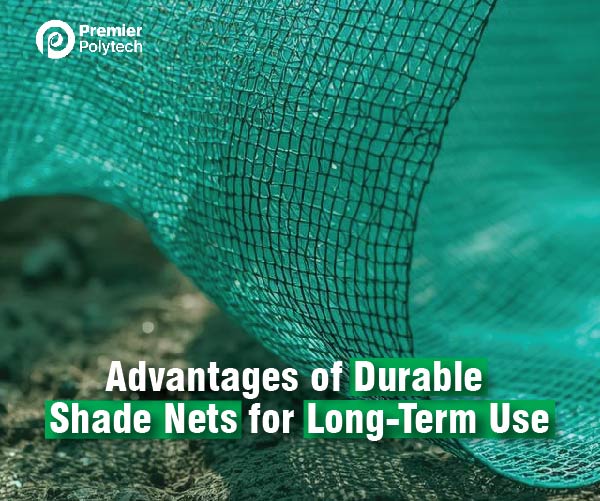
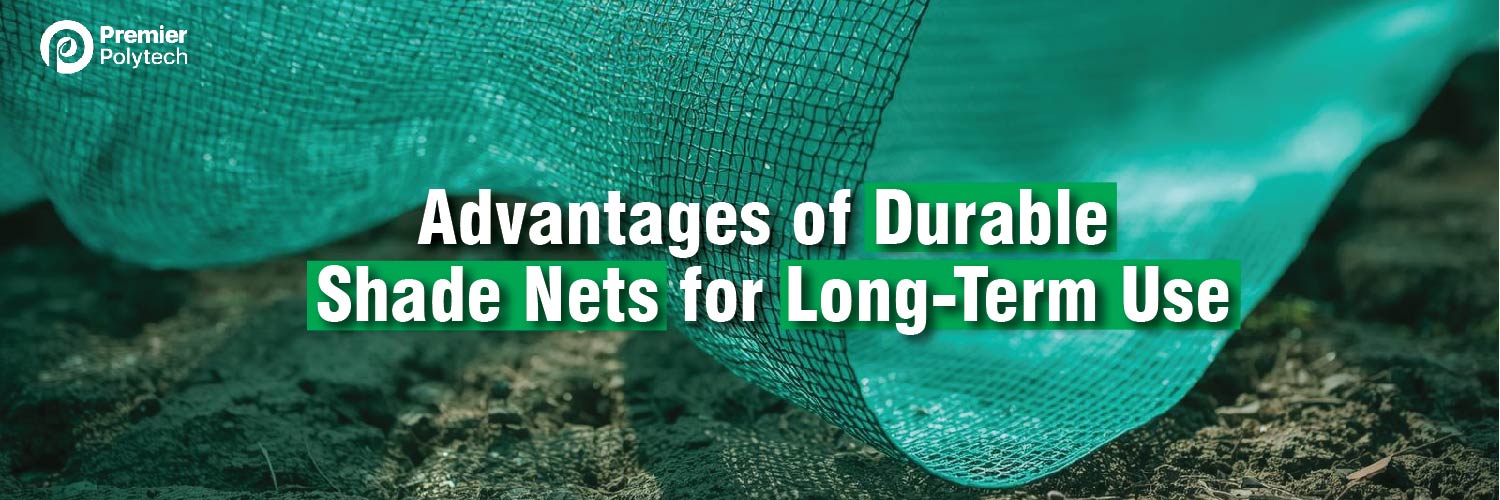
Built to Last: Advantages of Durable Shade Nets for Long-Term Use
Introduction: Durability is the Ultimate Economy
For farmers, making an initial investment in agricultural equipment always involves weighing the upfront cost against the long-term benefit. When it comes to shade nets, choosing cheap, low-grade material might save money today, but it inevitably leads to massive recurring costs, time wasted on repairs, and—most critically—unstable crop yields.
Durable, high-quality HDPE (High-Density Polyethylene) shade nets are not an expense; they are a long-term investment. Engineered for resilience, these nets offer a service life of 5 to 8 years or more, providing stable, predictable protection that drastically improves the financial sustainability of a farm.
This guide explores the key advantages of opting for durable shade nets, proving that longevity is the most cost-effective decision you can make for your protected cultivation setup.
I. Financial and Economic Advantages
The primary benefit of durability is the profound positive impact on a farm’s bottom line over many seasons.
1. Maximized Return on Investment (ROI)
-
Extended Service Life: A cheap net might last 1-2 years, requiring 3-5 replacements over a decade. A durable net, guaranteed for 5+ years, drastically cuts down procurement costs. The initial higher investment is spread over many more growing cycles, driving the Cost Per Year of Use (CPY) down significantly.
-
Reduced Labor Costs: Frequent replacement of nets requires significant expenditure on labor, machinery, and time. Durable nets remain in place for years, eliminating the recurring cost and hassle of dismantling and reinstallation.
2. Stable and Predictable Yields
-
Consistent Microclimate: Durable nets maintain their original shade percentage and structural integrity for their entire lifespan. This ensures the microclimate (light, temperature, humidity) remains stable, which is crucial for high-value crop production.
-
Reduced Crop Loss: Net failure (tearing, sagging, or degradation) often occurs mid-season, leading to immediate crop loss from sunscald or heat stress. Durable nets virtually eliminate this risk, ensuring harvest predictability and minimizing catastrophic revenue loss.
II. Operational and Structural Advantages
High-quality construction translates directly into superior performance and reduced maintenance challenges.
1. Superior UV Stabilization
-
Resilience: The most common cause of net failure is UV degradation. Durable nets are manufactured with a higher concentration of UV stabilizers (typically $3%$ to $5%$ of the HDPE polymer). This protective barrier prevents the plastic from becoming brittle, cracking, and tearing, especially around stress points.
-
Sustained Protection: The net continues to filter the harmful UV rays effectively for years, ensuring your crops receive consistent protection throughout the net’s service life.
2. Enhanced Structural Integrity
-
High Tensile Strength: Durable nets often use a Mono Mono (Monofilament + Monofilament) or a robust Mono Tape weave, which provides exceptional tensile strength. This allows the net to be pulled drum-tight during installation without the risk of stretching or tearing.
-
Wind and Load Resistance: A tightly tensioned, strong net handles wind loading and the weight of accumulated rainwater far better than thin, cheap alternatives, protecting the main support structure (poles/wires) from damage.
3. Reduced Maintenance and Repair
-
Tear Resistance: The higher material density (GSM) and superior knitting pattern (often lock-stitch) provide high resistance to punctures, snags, and tears. If a small tear does occur, the lock-stitch prevents the tear from ‘running’ (unraveling across the net), making small repairs simpler and more permanent.
III. Environmental and Crop Quality Advantages
Durability impacts not only the cost but also the quality of the harvest and the sustainability of the farm.
1. Better Crop Quality and Market Value
-
Pristine Produce: Consistent light diffusion and temperature control prevent quality defects like sunscald, wind scuffing, and blotchy ripening. This results in premium-grade, high-value produce that fetches better prices in the market.
-
Stable Environment: Long-term stability reduces plant stress, promoting better nutrient uptake and consistent growth throughout the season.
2. Reduced Environmental Footprint
-
Less Plastic Waste: By purchasing a net that lasts five times longer, the farm generates significantly less plastic waste, aligning with modern sustainability goals and responsible farming practices.
Conclusion: Choosing Predictability Over Risk
The decision to invest in a durable shade net is a commitment to the long-term health and profitability of your farm. While the immediate cost may be higher, the cumulative savings from reduced labor, fewer replacements, minimized crop loss, and consistent high-quality yields make the durable option the clear economic winner.
For serious farmers, durability is the key to securing a predictable future, moving from reactive maintenance to proactive, sustainable protected cultivation.
Frequently Asked Questions (FAQ)
Q1: What is the main indicator of a net’s long-term durability?
A: The main indicators are the Percentage of UV Stabilizer (ideally $3%$ to $5%$), the GSM (Grams per Square Meter), and the Weave Type (Mono Mono is typically the most durable). Always check the manufacturer’s warranty or guaranteed lifespan.
Q2: Does a durable net mean better shade effectiveness?
A: Yes. Over time, cheap nets degrade, and their ability to block UV rays and maintain the shade percentage diminishes rapidly. A durable net maintains its shade percentage and filtering capacity consistently throughout its long lifespan, ensuring continuous effectiveness.
Q3: What are the risks of using a net that is sagging or has lost its tension?
A: A sagging net is a major risk. It collects rainwater (adding immense weight and potentially causing structural collapse), flaps in the wind (leading to accelerated fraying and tearing), and provides inconsistent light to the crops underneath. Durability ensures the net holds tension longer.
Q4: How does a durable net help with pest management over time?
A: Durable nets, being stronger, hold their weave and hole size better. This stability is crucial for maintaining the integrity of the barrier against insects (if used as an insect net) and preventing the net from developing tears and gaps that allow pests to enter the protected area.