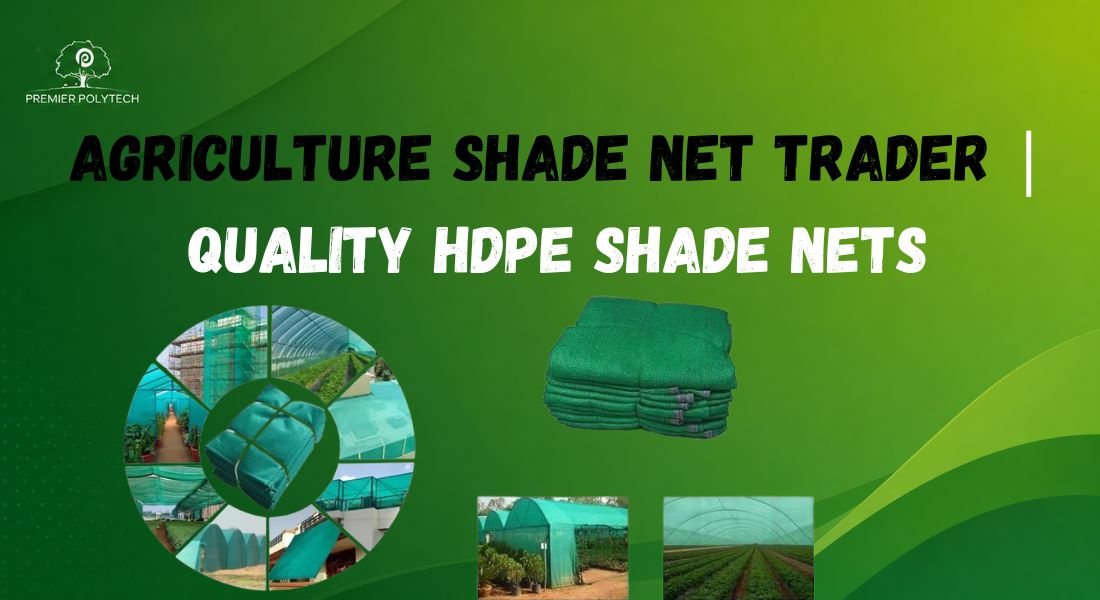
Agriculture Shade Net Trader | Quality HDPE Shade Nets

Agriculture has evolved significantly over the years, with modern farming techniques focusing on increasing crop productivity while protecting plants from harsh environmental conditions. One of the most effective solutions for crop protection is the use of shade nets. Whether you own a nursery, greenhouse, orchard, or open farm, selecting a trusted Agriculture Shade Net Trader is essential to ensure you receive high-quality products that deliver long-term performance.

A reliable trader provides premium-quality shade nets, expert guidance, and dependable after-sales support, helping farmers choose the most suitable products for their specific agricultural requirements.

What Is an Agriculture Shade Net?

An agriculture shade net is a specially designed protective net made from high-density polyethylene (HDPE). It reduces excessive sunlight, minimizes heat stress, protects crops from harmful UV rays, and creates a favorable environment for healthy plant growth.

These nets are widely used in:

  • Vegetable farming
  • Fruit orchards
  • Greenhouses
  • Plant nurseries
  • Floriculture
  • Polyhouses
  • Landscaping projects

Why Choose an HDPE Agriculture Shade Net?

An HDPE Agriculture Shade Net is known for its durability, flexibility, and excellent weather resistance. Compared to conventional materials, HDPE shade nets provide long-lasting performance even under extreme weather conditions.

Benefits of HDPE Agriculture Shade Nets

  • Superior UV protection
  • Long service life
  • Excellent tensile strength
  • Lightweight and easy to install
  • Resistant to moisture and chemicals
  • Helps regulate temperature
  • Reduces water evaporation
  • Improves crop quality and yield

These advantages make HDPE shade nets a preferred choice for professional farmers and agricultural businesses.

Importance of Choosing the Right Agriculture Shade Net Trader

Selecting the right Agriculture Shade Net Trader is just as important as choosing the right product. An experienced trader understands different farming applications and recommends the appropriate shade percentage, color, and specifications based on crop requirements.

A professional trader can help you:

  • Select the correct shade percentage
  • Choose premium-quality HDPE materials
  • Receive products with UV stabilization
  • Get competitive pricing
  • Ensure timely delivery
  • Access technical support when needed

Working with a trusted trader minimizes the risk of purchasing low-quality products that may fail within a short period.

Features to Look for in a Quality Shade Net

Before purchasing, check whether the shade net offers the following features:

UV Stabilization

UV-stabilized shade nets are designed to withstand prolonged exposure to sunlight without degrading quickly.

High-Density HDPE Material

Premium HDPE provides better strength, flexibility, and durability.

Multiple Shade Percentages

Different crops require different levels of shading, such as 35%, 50%, 75%, or 90%.

Strong Knitting Structure

A tightly knitted structure improves durability while maintaining proper airflow.

Weather Resistance

Quality shade nets perform well under rain, wind, and high temperatures.

Applications of Green Shade Nets

A Green Shade Net is one of the most commonly used options in agriculture due to its versatility and effectiveness. It creates a balanced environment for plant growth while reducing excessive sunlight.

Green shade nets are widely used for:

  • Vegetable cultivation
  • Nursery plants
  • Greenhouse farming
  • Fruit plantations
  • Flower cultivation
  • Landscaping
  • Garden protection
  • Seedling production

Their ability to regulate temperature and maintain humidity makes them suitable for year-round farming.

Why Work with a Trusted Shade Net Supplier?

A dependable Shade Net Supplier ensures that farmers receive genuine products manufactured according to industry standards. Reputable suppliers maintain consistent quality, offer various sizes and shade percentages, and provide reliable customer support.

Benefits of choosing a professional supplier include:

  • Consistent product quality
  • Bulk supply availability
  • Custom sizes
  • Competitive pricing
  • Technical guidance
  • Fast delivery
  • Warranty support

Why Buy Directly from a Shade Net Manufacturer?

Purchasing directly from an experienced Shade Net Manufacturer offers several advantages, especially for distributors, exporters, wholesalers, and large farming projects.

Direct manufacturers typically provide:

  • Factory pricing
  • Better quality control
  • Large production capacity
  • Customized products
  • Faster order fulfillment
  • Modern manufacturing technology
  • Reliable after-sales support

Buying directly also ensures product authenticity and long-term value.

Tips for Choosing the Best Agriculture Shade Net

Keep these points in mind before making your purchase:

  • Select the correct shade percentage for your crops.
  • Verify that the net is made from UV-stabilized HDPE.
  • Check the GSM and knitting quality.
  • Compare product specifications instead of price alone.
  • Choose a trusted trader or manufacturer with industry experience.
  • Ask about warranties and product certifications.
  • Ensure the supplier can meet future bulk requirements.

Conclusion

Choosing the right Agriculture Shade Net Trader is a key investment in the success of your farming operations. High-quality HDPE Agriculture Shade Net products help protect crops, improve growing conditions, conserve water, and increase overall productivity. Whether you are looking for a reliable Shade Net Supplier, an experienced Shade Net Manufacturer, or premium Green Shade Net solutions, partnering with a trusted company ensures you receive durable products, expert guidance, and excellent value.

Investing in premium agricultural shade nets today can lead to healthier crops, higher yields, and long-term farming success.

HDPE Shade Net Manufacturers in India: Why Premier Polytech Stands Out

India’s agriculture sector continues to adopt advanced farming solutions to improve crop productivity and protect plants from harsh environmental conditions. Among these solutions, HDPE shade nets have become an essential product for farmers, nursery owners, greenhouse operators, and construction companies. When it comes to reliable HDPE shade net manufacturers in India, Premier Polytech has established itself as a trusted name by delivering high-quality net solutions for diverse applications.

Premier Polytech – Leading HDPE Shade Net Manufacturer

Premier Polytech specializes in manufacturing agricultural and industrial net solutions designed to meet the growing needs of modern farming and infrastructure projects. With a strong focus on quality, durability, and performance, the company provides products that help customers achieve better results while reducing maintenance costs.

Wide Range of Products

Premier Polytech offers an extensive range of net products for agricultural and industrial use. Its product portfolio includes HDPE Shade Nets, Anti Bird Nets, Weed Mats, Ground Cover Nets, Fencing Nets, and Construction Safety Nets. These products are manufactured using premium-quality raw materials to ensure superior performance in challenging environmental conditions.

Advanced Manufacturing Strength

One of the key strengths of Premier Polytech is its commitment to quality manufacturing. The company uses UV-stabilized HDPE materials that protect nets from harmful sunlight and extend their lifespan. Available in multiple shade percentages such as 35%, 50%, 75%, and 90%, these shade nets are suitable for various crops and applications. The advanced production process ensures consistent quality, excellent strength, and long-lasting durability.

Applications Across Multiple Industries

Premier Polytech’s HDPE shade nets are widely used across different sectors. In greenhouses, they help maintain optimal temperature and light conditions for healthy plant growth. Nursery owners use these nets to protect delicate plants and saplings from excessive sunlight. Farmers rely on shade nets to improve crop protection and productivity, while construction companies use safety nets for worker protection and site safety management.

Key Benefits of HDPE Shade Nets

HDPE shade nets offer numerous advantages for agricultural and industrial users. They provide effective crop protection from excessive heat, strong winds, and direct sunlight. By controlling temperature levels, they create a favorable environment for plant growth. Their UV-resistant properties ensure longer durability, reducing replacement costs over time. Additionally, shade nets help reduce water loss through evaporation, supporting efficient water management and sustainable farming practices.

Trusted by Diverse Customers

Premier Polytech serves a broad customer base across India. Farmers trust the company for reliable crop protection solutions, while nursery owners depend on its products for maintaining healthy plant growth. Greenhouse operators choose Premier Polytech’s shade nets to create controlled growing environments. Construction companies also benefit from its durable safety net solutions that enhance workplace safety and operational efficiency.

Why Choose Premier Polytech?

Premier Polytech combines quality manufacturing, innovative technology, and customer-focused solutions to deliver products that meet industry standards. Its UV-stabilized HDPE shade nets provide long-term performance, making them a preferred choice for agriculture, horticulture, landscaping, and construction applications. By offering durable products and dependable service, the company continues to strengthen its position as one of the leading HDPE shade net manufacturers in India.

Conclusion

As demand for advanced agricultural and industrial protection solutions continues to grow, choosing the right HDPE shade net manufacturer becomes increasingly important. Premier Polytech stands out through its high-quality products, strong manufacturing capabilities, and commitment to customer satisfaction. Whether for farming, nursery management, greenhouse cultivation, or construction safety, Premier Polytech provides reliable net solutions designed to deliver lasting value and performance.

Key Features to Look for in High-Quality HDPE Agro Shade Nets

HDPE Agro Shade Nets have become an essential solution for modern agriculture, horticulture, nurseries, and greenhouse farming. These nets help protect crops from excessive sunlight, strong winds, heavy rain, and other environmental factors that can affect plant growth. However, not all shade nets offer the same level of performance. Choosing a high-quality HDPE Agro Shade Net is important to ensure durability, crop protection, and long-term value. Here are the key features you should consider before making a purchase.

High-Density Polyethylene (HDPE) Material

The quality of the raw material is one of the most important factors. Premium shade nets are manufactured using virgin HDPE material, which provides superior strength, flexibility, and durability. High-quality HDPE nets can withstand harsh weather conditions and maintain their effectiveness for years.

UV Stabilization

Agricultural shade nets are continuously exposed to sunlight. UV-stabilized nets are specially designed to resist damage caused by ultraviolet rays. This feature prevents the net from becoming brittle, fading, or deteriorating over time, ensuring a longer service life and better protection for crops.

Appropriate Shade Percentage

Different crops require different levels of sunlight. High-quality HDPE shade nets are available in various shade percentages such as 35%, 50%, 75%, and 90%. Selecting the correct shade factor helps create the ideal growing environment for specific crops, flowers, or nursery plants.

Strong and Durable Construction

A good shade net should have a strong knitted structure that resists tearing and stretching. Durable construction ensures that the net can handle wind pressure and regular agricultural use without losing its shape or effectiveness.

Weather Resistance

Premium HDPE agro shade nets are designed to perform well in varying weather conditions. They provide protection against intense sunlight, heavy rainfall, strong winds, and temperature fluctuations, helping maintain stable growing conditions throughout the year.

Lightweight and Easy Installation

Despite their strength, quality shade nets are lightweight and easy to install. This reduces labor requirements and allows farmers to quickly set up shade structures for greenhouses, nurseries, and open-field farming applications.

Air and Water Permeability

A high-quality shade net should allow proper airflow and water penetration. Good ventilation helps regulate temperature and humidity levels, while water permeability ensures that irrigation and rainfall can reach crops efficiently.

Color Consistency

Green HDPE shade nets are widely used because they create a favorable environment for plant growth. Quality nets maintain consistent color throughout their lifespan, indicating better manufacturing standards and UV resistance.

Low Maintenance Requirements

Reliable shade nets require minimal maintenance while providing long-lasting performance. Their resistance to corrosion, moisture, and environmental damage reduces replacement and repair costs for farmers.

Versatile Agricultural Applications

The best HDPE agro shade nets are suitable for multiple applications, including nurseries, greenhouses, vegetable cultivation, fruit orchards, floriculture, and landscaping projects. Their versatility makes them a cost-effective investment for agricultural operations of all sizes.

Conclusion

Selecting a high-quality HDPE Agro Shade Net can significantly improve crop protection, growing conditions, and overall farm productivity. Features such as virgin HDPE material, UV stabilization, strong construction, weather resistance, and proper shade percentage play a crucial role in determining product performance. By investing in a premium shade net, farmers can enhance crop quality, reduce environmental stress, and achieve better agricultural results for years to come.

Top Benefits of HDPE Shade Nets for Nurseries and Greenhouses

Introduction

Successful nursery and greenhouse farming depends on creating the right environment for healthy plant growth. Excessive sunlight, high temperatures, strong winds, and harsh weather conditions can negatively affect plant development and reduce productivity. HDPE (High-Density Polyethylene) Shade Nets have become an essential solution for growers looking to protect plants while maintaining optimal growing conditions.

Designed with UV-stabilized materials, HDPE shade nets provide effective protection and help improve crop quality, making them a popular choice for nurseries, greenhouses, and horticultural farms.

What Are HDPE Shade Nets?

HDPE shade nets are durable knitted fabrics made from high-quality polyethylene. They are designed to reduce sunlight intensity while allowing adequate airflow and moisture circulation. Available in various shading percentages such as 50%, 75%, and 90%, these nets can be selected according to specific crop requirements.

Key Benefits of HDPE Shade Nets

1. Protection from Excessive Sunlight

Direct exposure to intense sunlight can cause leaf scorching, dehydration, and reduced plant growth. HDPE shade nets filter sunlight and create a balanced environment that supports healthy development.

2. Temperature Control

Shade nets help reduce the temperature inside nurseries and greenhouses. By minimizing heat buildup, they create a cooler environment that encourages better seed germination and plant growth.

3. Improved Plant Growth

Plants thrive in stable environmental conditions. HDPE shade nets help maintain ideal temperature and humidity levels, resulting in stronger roots, healthier foliage, and improved crop quality.

4. Enhanced Water Conservation

Excessive heat increases water evaporation from soil and plant surfaces. Shade nets reduce moisture loss, helping growers save water while maintaining proper hydration for crops.

5. Protection from Wind and Harsh Weather

Strong winds can damage delicate plants, seedlings, and flowers. HDPE shade nets act as a protective barrier, reducing the impact of wind and other environmental stresses.

6. Better Seedling Survival Rate

Young plants and seedlings are highly sensitive to weather fluctuations. Shade nets create a controlled environment that improves survival rates and supports healthy early-stage growth.

7. UV Protection

High-quality HDPE shade nets are UV stabilized, ensuring long-lasting performance even under continuous exposure to sunlight. This durability makes them a cost-effective investment for growers.

8. Reduced Pest and Bird Damage

Shade net structures can help limit the entry of birds and certain pests, reducing crop damage and improving overall productivity.

9. Suitable for Various Crops

HDPE shade nets are ideal for growing vegetables, flowers, fruits, medicinal plants, ornamental plants, and nursery saplings. Their versatility makes them suitable for multiple agricultural applications.

10. Cost-Effective Farming Solution

Compared to other climate-control systems, HDPE shade nets offer an affordable and efficient method of protecting crops and improving yields. Their long service life further enhances return on investment.

Applications of HDPE Shade Nets

  • Commercial Nurseries
  • Greenhouses
  • Flower Cultivation
  • Vegetable Farming
  • Fruit Plant Production
  • Horticulture Projects
  • Landscaping and Gardening
  • Protected Agriculture Structures

Choosing the Right Shade Percentage

Different crops require different levels of protection:

  • 50% Shade Net: Suitable for vegetables and general cultivation.
  • 75% Shade Net: Ideal for nurseries and sensitive crops.
  • 90% Shade Net: Best for high-temperature regions and specialized applications.

Selecting the correct shade percentage helps maximize plant growth and productivity.

Conclusion

HDPE shade nets play a vital role in modern nursery and greenhouse farming. They provide protection from excessive sunlight, regulate temperature, conserve water, and create favorable growing conditions for plants. With their durability, versatility, and cost-effectiveness, HDPE shade nets have become an essential investment for growers seeking healthier crops and higher yields.

Whether you operate a small nursery or a large greenhouse, choosing high-quality HDPE shade nets can significantly improve plant performance and overall farm profitability.

Shade Net House Farming: Investment, Benefits & ROI

Introduction

Modern farming is rapidly evolving, and one of the most effective methods for increasing crop productivity is shade net house farming. Farmers across India are adopting shade net houses to protect crops from harsh weather conditions, improve crop quality, and achieve higher profits. Whether you are a small farmer or a commercial grower, investing in a shade net house can be a smart decision for sustainable agriculture.

In this blog, we will discuss the investment required, key benefits, and return on investment (ROI) of shade net house farming.

What is Shade Net House Farming?

A shade net house is a protected cultivation structure covered with specially designed HDPE shade nets. These nets help regulate sunlight, temperature, humidity, and airflow, creating an ideal environment for plant growth.

Shade net houses are commonly used for growing:

  • Vegetables
  • Fruits
  • Flowers
  • Herbs
  • Nursery plants
  • Exotic crops

Investment Required for a Shade Net House

The cost of setting up a shade net house depends on several factors, including size, net quality, structure type, and location.

Major Investment Components

1. Structure Construction

The frame is usually made from galvanized iron (GI) pipes or steel structures that provide durability and stability.

2. Shade Net Installation

High-quality UV-stabilized HDPE shade nets are installed according to crop requirements, typically ranging from 35% to 90% shading.

3. Irrigation System

Drip irrigation and misting systems help maintain proper moisture levels and reduce water wastage.

4. Land Preparation

Costs may include leveling, soil treatment, and bed preparation.

5. Labor and Maintenance

Initial installation and periodic maintenance expenses should also be considered.

The total investment varies based on farm size and project requirements, but the long-term benefits often outweigh the initial costs.

Benefits of Shade Net House Farming

Improved Crop Protection

Shade nets protect crops from:

  • Excessive sunlight
  • Heavy rainfall
  • Strong winds
  • Hailstorms
  • Birds and pests

This significantly reduces crop damage and losses.

Higher Crop Yield

The controlled environment allows crops to grow more efficiently, resulting in better productivity and increased harvests.

Better Crop Quality

Shade net farming improves the appearance, size, color, and overall quality of fruits, vegetables, and flowers, leading to better market prices.

Water Conservation

When combined with drip irrigation systems,  houses help reduce water consumption while maintaining optimal moisture levels.

Extended Growing Seasons

Farmers can cultivate crops for longer periods and even grow certain crops during off-seasons, increasing earning opportunities.

Reduced Pest and Disease Incidence

The protected environment minimizes exposure to pests and diseases, reducing dependency on chemical pesticides.

Best Crops for Shade Net House Farming

Several crops perform exceptionally well under shade net structures:

Vegetables

  • Capsicum
  • Tomato
  • Cucumber
  • Lettuce
  • Spinach

Flowers

  • Rose
  • Gerbera
  • Carnation
  • Marigold

Fruits

  • Strawberry
  • Dragon Fruit (young plants)

Nursery Plants

  • Ornamental plants
  • Fruit saplings
  • Vegetable seedlings

Understanding ROI in Shade Net Farming

Return on Investment (ROI) refers to the profitability generated from the initial investment.

Factors Affecting ROI

Crop Selection

High-value crops generally provide faster returns.

Market Demand

Selling crops during off-seasons can significantly increase profits.

Net Quality

Premium UV-stabilized  offer longer life and better protection, reducing replacement costs.

Farm Management

Efficient irrigation, fertilization, and crop care improve productivity and profitability.

Expected Returns

Many farmers experience:

  • Higher yields compared to open-field farming
  • Better quality produce
  • Increased market value
  • Reduced crop losses

Depending on crop selection and management practices, farmers often recover their investment within a few growing cycles while enjoying long-term benefits from the structure.

Tips for Maximizing Profits

  • Choose the right shade percentage for your crop.
  • Use high-quality UV-stabilized HDPE shade nets.
  • Implement drip irrigation systems.
  • Focus on high-demand crops.
  • Regularly maintain the structure and nets.
  • Monitor soil nutrients and crop health.

Why Choose Quality Shade Nets?

The success of a shade net house largely depends on the quality of the  used. Premium HDPE shade nets provide:

  • UV protection
  • Long service life
  • High durability
  • Better crop protection
  • Improved environmental control

Investing in quality agricultural nets ensures better crop performance and long-term savings.

Conclusion

Shade net house farming is a practical and profitable solution for modern agriculture. Although the initial investment may seem significant, the benefits of higher yields, improved crop quality, water conservation, and reduced crop losses make it a worthwhile investment. With proper planning and high-quality solutions, farmers can achieve excellent ROI and build a more sustainable farming business.

For reliable and durable agricultural shade net solutions, choose trusted manufacturers that offer premium HDPE designed for Indian farming conditions.

Best Crops to Grow Under Shade Net in India (Complete Farmer Guide)

Introduction

Shade net farming has become increasingly popular among Indian farmers due to its ability to protect crops from excessive sunlight, high temperatures, heavy rainfall, strong winds, and pests. By creating a controlled growing environment, shade nets help improve crop quality, increase yields, and reduce cultivation risks.

However, not all crops require the same level of shade. Choosing the right crop for cultivation is essential for achieving maximum productivity and profitability.

This guide explores the best crops to grow under in India and their benefits.

Benefits of Growing Crops Under Shade Nets

Before selecting crops, it is important to understand the advantages of farming:

  • Protection from harsh sunlight
  • Better temperature control
  • Reduced water evaporation
  • Protection from wind damage
  • Improved crop quality
  • Higher market value produce
  • Reduced pest and insect attacks
  • Increased productivity throughout the year

Best Vegetable Crops for Shade Net Farming

1. Capsicum (Bell Pepper)

Capsicum is one of the most profitable crops grown under shade nets.

Benefits:

  • Better fruit quality
  • Uniform size and color
  • Reduced sunburn damage
  • Higher market demand

Recommended Shade: 35%–50%

2. Tomato

Tomatoes perform well under protected cultivation, especially during hot seasons.

Benefits:

  • Better fruit setting
  • Reduced cracking
  • Improved yield
  • Protection from extreme weather

Recommended Shade: 35%

3. Cucumber

Cucumber grows rapidly under structures due to stable temperatures.

Benefits:

  • Faster growth
  • Better fruit appearance
  • Longer harvesting period

Recommended Shade: 35%–50%

4. Chilli

Green chilli cultivation under is helps maintain consistent production.

Benefits:

  • Improved fruit quality
  • Reduced flower drop
  • Better protection from pests

Recommended Shade: 35%

5. Leafy Vegetables

Leafy crops are highly suitable for shade net farming.

Examples:

  • Spinach
  • Coriander
  • Lettuce
  • Fenugreek
  • Amaranthus

Benefits:

  • Tender leaves
  • Faster growth
  • Better appearance

Recommended Shade: 50%

Best Flower Crops for Shade Net Cultivation

1. Gerbera

Gerbera is among the most popular commercial flower crops grown under shade nets.

Benefits:

  • Premium flower quality
  • Consistent production
  • Higher export potential

Recommended Shade: 50%–75%

2. Rose

The help improve flower production and quality.

Benefits:

  • Better bloom size
  • Reduced heat stress
  • Longer flowering period

Recommended Shade: 35%

3. Orchid

Orchids require a controlled environment and partial sunlight.

Benefits:

  • Healthy plant growth
  • Premium flower quality
  • Better moisture retention

Recommended Shade: 75%

4. Carnation

Carnations thrive in protected cultivation systems.

Benefits:

  • Uniform flowering
  • Better stem quality
  • Increased productivity

Recommended Shade: 50%

Best Fruit Crops for Shade Net Farming

1. Strawberry

Strawberries grow successfully under shade nets in suitable climates.

Benefits:

  • Better fruit quality
  • Reduced heat damage
  • Increased yield

Recommended Shade: 35%

2. Dragon Fruit (Young Plants)

Young dragon fruit plants benefit from partial shading during establishment.

Benefits:

  • Better root development
  • Reduced heat stress
  • Improved survival rates

Recommended Shade: 35%

3. Papaya Nursery Plants

Papaya seedlings develop better under controlled shade conditions.

Benefits:

  • Stronger seedlings
  • Improved transplant success

Recommended Shade: 50%

Best Nursery Plants Under Shade Nets

The houses are widely used for raising nursery plants.

Popular nursery crops include:

  • Mango seedlings
  • Guava plants
  • Coconut seedlings
  • Ornamental plants
  • Forest saplings
  • Vegetable seedlings

Benefits:

  • Better germination
  • Healthy root development
  • Reduced transplant shock

Medicinal and Herbal Plants

Several medicinal plants perform exceptionally well under shade nets.

Examples include:

  • Aloe Vera
  • Ashwagandha
  • Stevia
  • Mint
  • Tulsi (Holy Basil)

Benefits:

  • Improved leaf quality
  • Better moisture management
  • Higher biomass production

Choosing the Right Shade Percentage

Shade Percentage Suitable Crops
35% Tomato, Chilli, Capsicum, Strawberry
50% Leafy Vegetables, Nursery Plants, Gerbera
75% Orchid, Sensitive Ornamentals
90% Special nursery applications

Selecting the correct shade percentage is critical for crop performance and productivity.

Tips for Successful Shade Net Farming

  • Choose UV-stabilized HDPE shade nets.
  • Ensure proper ventilation.
  • Install efficient irrigation systems.
  • Monitor humidity and temperature regularly.
  • Use quality seeds and planting materials.
  • Follow recommended crop management practices.

Conclusion

The farming offers Indian farmers an excellent opportunity to improve crop quality, increase yields, and protect crops from unpredictable weather conditions. Crops such as capsicum, tomato, cucumber, chilli, leafy vegetables, gerbera, rose, orchids, strawberries, and nursery plants perform exceptionally well under cultivation.

By selecting the right crop and appropriate shade percentage, farmers can maximize profits while ensuring sustainable agricultural production throughout the year.

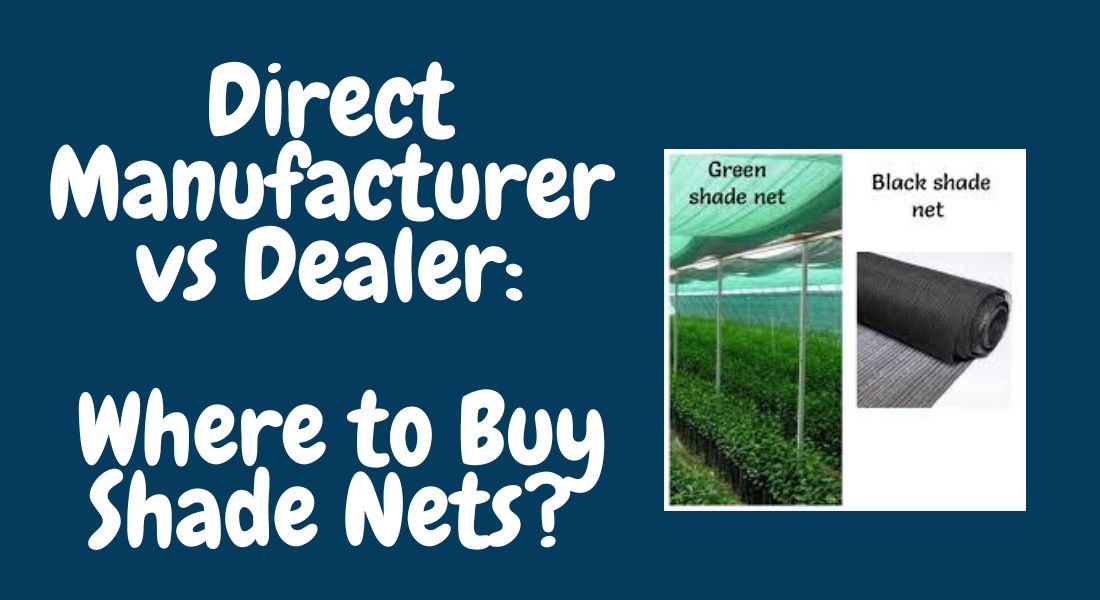
Direct Manufacturer vs Dealer: Where to Buy Shade Nets?

Introduction

When investing in shade nets for farming, horticulture, or commercial use, one important question often arises: Should you buy from a direct manufacturer or a dealer? Making the right choice can impact not only your budget but also product quality, durability, and long-term performance.

In this blog, we break down the differences between buying from a direct manufacturer vs dealer, helping you decide the best option for your needs.

Understanding the Two Options

1. Buying from a Direct Manufacturer

A direct manufacturer produces shade nets in-house and sells them directly to customers without intermediaries.

2. Buying from a Dealer

A dealer (or distributor/retailer) sources shade nets from manufacturers and sells them to end users, often adding a margin.

Key Differences: Manufacturer vs Dealer

Factor Direct Manufacturer Dealer
Price Lower (no middlemen) Higher (includes margin)
Product Customization High (custom sizes, colors, shade %) Limited options
Quality Assurance Direct control over production Depends on supplier
Availability May require bulk orders Easy access, ready stock
Technical Support Detailed product knowledge Basic guidance
Delivery Time May take longer for custom orders Faster for standard products

Benefits of Buying Shade Nets from a Direct Manufacturer

1. Cost Savings

Buying directly eliminates middlemen, making it more cost-effective—especially for bulk purchases.

2. Customization Options

Manufacturers can provide tailored solutions based on:

  • Shade percentage
  • Net color
  • Size and dimensions
  • Specific crop requirements

3. Better Quality Control

Since the product comes directly from the source, you have better assurance of material quality, UV stabilization, and durability.

4. Direct Technical Guidance

Manufacturers often provide expert advice on installation, usage, and maintenance.

Benefits of Buying from a Dealer

1. Easy Availability

Dealers usually maintain ready stock, making it convenient for quick purchases.

2. Smaller Order Quantities

Ideal for small farmers or individual buyers who do not need bulk quantities.

3. Local Support

Dealers are often located nearby, offering easier communication and faster service.

4. Faster Delivery

Since products are pre-stocked, delivery is typically quicker compared to custom manufacturing.

When Should You Choose a Manufacturer?

You should consider buying directly from a manufacturer if:

  • You need bulk quantities
  • You want customized shade nets
  • You are setting up a large farm, nursery, or commercial project
  • You want better pricing and long-term value

When Should You Choose a Dealer?

Buying from a dealer is a better option if:

  • You need small quantities
  • You require immediate delivery
  • You prefer local availability and quick support
  • You are testing shade net farming on a small scale

Key Factors to Consider Before Buying

Regardless of where you buy, always check:

  • UV stabilization quality
  • Material (HDPE preferred)
  • Shade percentage suitability
  • Warranty and lifespan
  • Supplier reputation

Common Mistakes to Avoid

  • Choosing price over quality
  • Not verifying UV protection
  • Ignoring crop-specific requirements
  • Buying from unverified sellers

Final Verdict: Manufacturer vs Dealer

There is no one-size-fits-all answer. The right choice depends on your specific needs:

  • Go for a manufacturer if you want cost savings, customization, and bulk supply.
  • Choose a dealer if you need convenience, smaller quantities, and quick delivery.

Conclusion

Deciding between a direct manufacturer vs dealer for shade nets is an important step in your farming journey. By understanding the pros and cons of each option, you can make a smarter investment that ensures better crop protection and higher productivity.

In the end, the goal is simple: buy quality shade nets from a reliable source that meets your farming needs.


Right Shade Net, Better Yield: A Farmer’s Complete Guide

Introduction

In modern agriculture, small decisions can make a big difference—and choosing the right shade net is one of them. With rising temperatures, unpredictable weather, and increasing pressure to boost productivity, farmers need smarter solutions. The right shade net not only protects crops but also significantly improves yield and quality.

This complete guide will help you understand how selecting the right shade net leads to better yield, along with practical tips for choosing the best option for your farm.

What Is a Shade Net?

A shade net is a protective covering made from durable materials like high-density polyethylene (HDPE), designed to regulate sunlight, temperature, humidity, and wind. It creates a controlled environment that supports healthy plant growth.

Shade nets are widely used in:

  • Agriculture
  • Horticulture
  • Nurseries
  • Greenhouses and polyhouses

Why Choosing the Right Shade Net Matters

Not all shade nets are the same. Selecting the wrong type can lead to poor plant growth, reduced yield, or even crop damage.

The right shade net helps:

  • Maintain optimal temperature
  • Control light intensity
  • Reduce water loss
  • Protect crops from environmental stress

Types of Shade Nets Based on Shade Percentage

1. 30%–50% Shade Nets

  • Suitable for vegetables and nurseries
  • Allows more sunlight
  • Ideal for crops like leafy greens and seedlings

2. 50%–75% Shade Nets

  • Best for horticulture and flowering plants
  • Provides balanced sunlight and protection
  • Common for crops like capsicum, tomatoes, and flowers

3. 75%–90% Shade Nets

  • Used for shade-loving plants
  • Ideal for extreme heat conditions
  • Suitable for orchids and certain medicinal plants

Choosing Shade Net Colors and Their Impact

Different colors affect plant growth in unique ways:

  • Green: General-purpose use
  • Black: Maximum UV protection
  • White: Reflects heat and maintains cooler conditions
  • Red: Enhances flowering and growth in some crops

Key Factors to Consider When Selecting the Right Shade Net

1. Crop Type

Different crops have different light and temperature requirements. Always match the shade percentage to your crop’s needs.

2. Climate Conditions

Hot and dry regions require higher shade percentages, while moderate climates can use lighter nets.

3. UV Stabilization

Ensure the net is UV-stabilized for durability and long-term performance.

4. Quality and Material

High-quality HDPE nets last longer and provide better protection.

5. Structure Type

Consider whether you are using:

  • Open field
  • Shade net house
  • Polyhouse or greenhouse

Benefits of Using the Right Shade Net

1. Increased Crop Yield

Optimal growing conditions lead to better plant health and higher productivity.

2. Improved Crop Quality

Uniform light distribution results in better आकार, color, and texture of produce.

3. Water Efficiency

Reduced evaporation helps conserve water and lowers irrigation costs.

4. Protection from External Damage

Shade nets shield crops from wind, rain, birds, and pests.

5. Cost-Effective Farming

Compared to full greenhouse systems, shade nets offer an affordable solution for controlled cultivation.

Common Mistakes Farmers Should Avoid

  • Choosing the wrong shade percentage
  • Buying low-quality, non-UV stabilized nets
  • Improper installation
  • Ignoring crop-specific requirements

Practical Tips for Better Yield

  • Test small areas before full installation
  • Combine shade nets with drip irrigation
  • Regularly inspect and maintain nets
  • Adjust shade percentage based on seasonal changes

Future of Shade Net Farming

As agriculture becomes more technology-driven, shade nets will play a vital role in precision farming. Integration with smart irrigation systems, sensors, and climate control tools will further enhance productivity.

Conclusion

Selecting the right shade net is not just a technical decision—it’s a strategic investment in your farm’s success. With the right choice, farmers can protect crops, conserve resources, and achieve significantly better yields.

In today’s challenging agricultural environment, the formula is simple:
Right Shade Net = Better Yield.

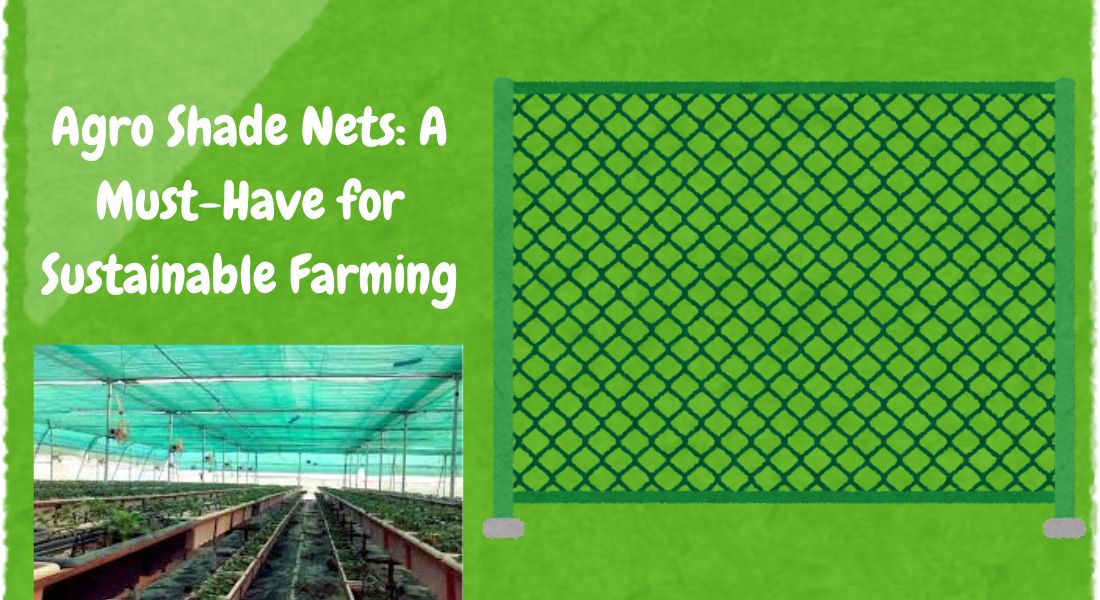
Agro Shade Nets: A Must-Have for Sustainable Farming

Introduction

Sustainable farming is no longer just an option—it has become a necessity in today’s rapidly changing agricultural environment. With increasing climate challenges, water scarcity, and the need for higher productivity, farmers are turning to innovative solutions. One such essential tool is agro shade nets, which are transforming the way crops are grown and protected.

In this blog, we explore why are a must-have for sustainable farming, along with their benefits, applications, and future potential.

What Are Agro Shade Nets?

They are specially designed protective coverings made from durable materials like high-density polyethylene (HDPE). These nets are used to regulate environmental conditions such as sunlight, temperature, humidity, and wind.

Available in different shade percentages and colors, They are widely used in agriculture, horticulture, and nursery management.

Why Agro Shade Nets Are Essential for Sustainable Farming

1. Climate Control and Crop Protection

Agro shade nets help create a controlled microclimate by reducing excessive sunlight and heat. This protects crops from extreme weather conditions such as heatwaves, heavy rainfall, and strong winds.

2. Water Conservation

Water scarcity is a major concern in agriculture. Shade nets reduce evaporation, helping retain soil moisture and lowering irrigation requirements—making farming more water-efficient.

3. Improved Crop Yield and Quality

By maintaining stable growing conditions, agro shade nets promote healthy plant growth. This leads to:

  • Higher yields
  • Better crop quality
  • Uniform growth

4. Reduced Chemical Usage

A controlled environment reduces the risk of pest attacks and diseases. This minimizes the need for chemical pesticides, contributing to safer and eco-friendly farming.

5. Support for Protected Cultivation

They are a key component of modern farming systems such as:

  • Shade net houses
  • Polyhouses
  • Greenhouses

These systems enhance productivity while ensuring sustainability.

Key Benefits of Agro Shade Nets

  • Protection from harmful UV rays
  • Reduced heat stress on plants
  • Lower water consumption
  • Improved plant health and growth
  • Cost-effective compared to full greenhouse systems
  • Long-lasting and durable material

Applications of Agro Shade Nets

1. Horticulture and Floriculture

Widely used for growing flowers, fruits, and vegetables that require controlled sunlight and temperature.

2. Nurseries

Essential for protecting young plants and seedlings during early growth stages.

3. Vegetable Farming

Crops like tomatoes, capsicum, cucumbers, and leafy greens benefit greatly from shade net cultivation.

4. Urban and Terrace Gardening

They are increasingly popular among urban gardeners for protecting plants from extreme heat.

5. Commercial Uses

They are also used in:

  • Poultry farms
  • Parking areas
  • Construction sites

Choosing the Right Agro Shade Net

To maximize benefits, farmers should consider:

  • Crop type and sunlight requirement
  • Climate conditions
  • Shade percentage (30% to 90%)
  • Net color (green, black, white, red)
  • Quality and UV stabilization

Challenges and Considerations

While is  offer many advantages, there are some challenges:

  • Initial setup cost for shade net structures
  • Lack of awareness among small farmers
  • Risk of low-quality products in the market
  • Need for proper installation and maintenance

Future of Agro Shade Nets in Sustainable Farming

As agriculture moves toward sustainability, the demand for agro shade nets is expected to grow significantly. Government support, increasing awareness, and advancements in agri-tech will further drive adoption.

In the coming years, integration with smart farming technologies like sensors and automated irrigation systems will make shade net farming even more efficient.

Conclusion

Agro shade nets have become an essential tool for sustainable farming, offering a practical solution to many agricultural challenges. By conserving water, protecting crops, and improving yield, they play a crucial role in building a more resilient and eco-friendly agricultural system.

For farmers looking to adopt sustainable practices, They are not just beneficial—they are a must-have.


How Safety Nets Reduce Accidents on Building Sites

Introduction

Construction sites are among the most hazardous workplaces in the world. Workers operate at significant heights, handle heavy materials, and use complex machinery—all of which increase the risk of serious injuries. Among the various safety measures implemented in the construction industry, safety nets play a crucial role in minimizing accidents and protecting workers.

This article explains how safety nets reduce accidents on building sites, their types, benefits, and why they are an essential investment for construction companies.

Understanding Construction Site Risks

Before exploring the role of safety nets, it is important to understand the common causes of accidents on building sites:

  • Falls from height (scaffolding, roofs, ladders)
  • Falling objects such as tools and materials
  • Structural failures during construction
  • Slips and trips on uneven surfaces
  • Weather-related hazards like strong winds

Among these, falls from height remain the leading cause of fatalities in construction. This is where safety nets become a critical protective solution.

What Are Safety Nets?

Safety nets are protective mesh systems made from high-strength materials such as high-density polyethylene (HDPE) or polypropylene. They are installed around or below work areas to catch falling workers or debris.

These nets are designed to absorb impact energy and prevent injuries, making them one of the most reliable passive safety systems used in construction.

Types of Safety Nets Used in Construction

Fall Arrest Nets

These nets are installed horizontally beneath elevated work areas. Their primary purpose is to catch workers in case of a fall, reducing the risk of serious injury or death.

Debris Nets

Installed vertically around buildings, debris nets prevent construction materials and tools from falling onto people or property below.

Perimeter Safety Nets

These nets are fixed along the edges of buildings or scaffolding to prevent workers from accidentally stepping off unprotected sides.

Scaffold Safety Nets

Attached to scaffolding structures, these nets provide additional protection to workers operating at height.

How Safety Nets Reduce Accidents

Prevention of Fatal Falls

The most important function of safety nets is to prevent fatal falls. When a worker slips or loses balance at height, a properly installed safety net acts as a secondary line of defense, catching the individual before they hit the ground.

This significantly reduces the severity of injuries and, in many cases, saves lives.

Protection from Falling Objects

Construction sites involve constant movement of tools, equipment, and materials. Without protection, falling objects can cause severe injuries to workers and pedestrians below.

Safety nets act as a barrier that catches debris, preventing it from reaching the ground and reducing the likelihood of accidents.

Reduced Impact Force

Safety nets are designed to absorb and distribute the force of a fall. Unlike hard surfaces, which can cause severe trauma, nets stretch upon impact, reducing the shock experienced by the body.

This feature plays a critical role in minimizing fractures, head injuries, and internal damage.

Improved Worker Confidence and Productivity

A safe working environment increases worker confidence. When workers know that safety measures like nets are in place, they can focus better on their tasks without constant fear of falling.

This leads to improved efficiency, productivity, and overall work quality.

Compliance with Safety Regulations

Most construction safety regulations require the use of protective systems for working at heights. They  help companies comply with these standards, avoiding legal penalties and project delays.

Implementing proper safety measures also enhances a company’s reputation as a responsible and professional organization.

Adaptability to Complex Structures

Unlike rigid safety systems, nets can be easily adapted to different shapes and sizes of construction sites. Whether it is a high-rise building, bridge, or industrial structure, Is can be customized to provide effective coverage.

Benefits of Using Safety Nets on Building Sites

Cost-Effective Safety Solution

Compared to other fall protection systems, They are relatively affordable and require less maintenance.

Easy Installation

Is can be installed quickly and adjusted as construction progresses.

Durability

High-quality nets made from UV-stabilized materials can withstand harsh weather conditions and long-term use.

Versatility

They can be used for multiple purposes, including fall protection, debris control, and perimeter safety.

Best Practices for Installing Safety Nets

To ensure maximum effectiveness, proper installation is essential:

  • Use high-quality, certified safety nets
  • Ensure correct positioning beneath work areas
  • Maintain proper tension and secure anchoring
  • Regularly inspect for wear and damage
  • Follow manufacturer guidelines and safety standards

Improper installation can reduce effectiveness and compromise worker safety.

Common Mistakes to Avoid

  • Using low-quality or damaged nets
  • Incorrect installation height or placement
  • Overloading nets beyond their capacity
  • Neglecting regular inspections
  • Ignoring safety regulations

Avoiding these mistakes ensures that perform their intended function effectively.

The Role of Safety Nets in Modern Construction

With increasing awareness of workplace safety, have become a standard feature on modern construction sites. They are not just an optional accessory but a necessary component of a comprehensive safety system.

As construction projects grow taller and more complex, the importance of reliable fall protection systems continues to increase.

Conclusion

They play a vital role in reducing accidents on building sites by preventing falls, catching debris, and minimizing impact injuries. They provide a cost-effective, reliable, and versatile solution for ensuring worker safety.

Investing in high-quality  and proper installation is not just about compliance—it is about protecting lives and creating a safer work environment. For construction companies, prioritizing safety is not only a responsibility but also a smart business decision that leads to long-term success.