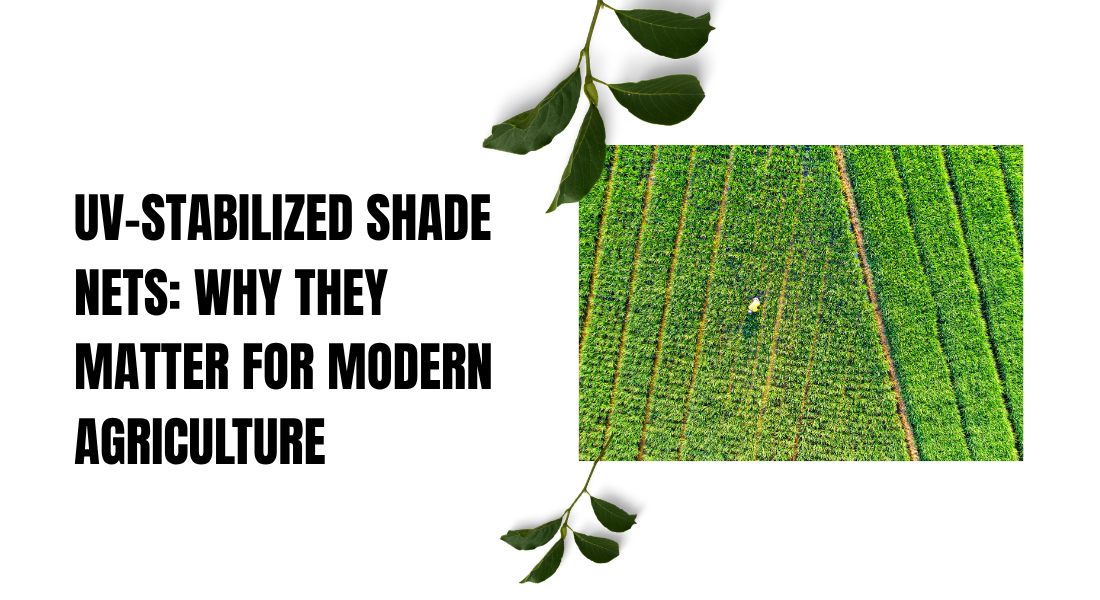
UV-Stabilized Shade Nets: Why They Matter for Modern Agriculture

Introduction

Agriculture depends heavily on environmental conditions, and excessive exposure to sunlight and ultraviolet (UV) rays can negatively impact both crops and farming materials. To address these challenges, farmers increasingly rely on UV-stabilized shade nets.

Unlike ordinary nets, UV-stabilized shade nets are specially designed to withstand prolonged sun exposure while providing reliable crop protection. Their durability and performance make them a valuable investment for modern farming, greenhouse cultivation, nurseries, and horticultural applications.

What Are UV-Stabilized Shade Nets?

UV-stabilized shade nets are manufactured using high-quality HDPE (High-Density Polyethylene) material combined with UV stabilizers. These stabilizers help protect the net from degradation caused by continuous exposure to sunlight.

As a result, the net maintains its strength, flexibility, and effectiveness for a much longer period compared to conventional shade nets.

Why UV Stabilization Is Important

Protection Against Sun Damage

Continuous exposure to sunlight can weaken ordinary nets, causing them to become brittle and break over time. UV stabilization protects the material from harmful ultraviolet radiation and extends its lifespan.

Improved Durability

UV-stabilized nets are designed for long-term outdoor use. They remain strong and effective even in regions with intense sunlight and high temperatures.

Better Return on Investment

Because UV-stabilized shade nets last longer, farmers spend less on frequent replacements and maintenance, resulting in better long-term value.

Benefits of UV-Stabilized Shade Nets

Enhanced Crop Protection

These nets help regulate sunlight intensity, creating a more favorable environment for plant growth. Crops are protected from excessive heat and sunburn, reducing stress and improving overall health.

Longer Product Life

UV stabilization significantly increases the service life of shade nets, making them suitable for year-round agricultural applications.

Consistent Performance

The net retains its structural integrity and shading capability even after prolonged exposure to outdoor conditions.

Reduced Maintenance Costs

Durable nets require fewer repairs and replacements, helping farmers save time and money.

Weather Resistance

UV-stabilized shade nets can withstand challenging weather conditions, including strong sunlight, wind, and varying temperatures.

Applications of UV-Stabilized Shade Nets

These nets are widely used in:

Agriculture

Protecting vegetables, fruits, and field crops from excessive sunlight.

Greenhouses

Maintaining optimal growing conditions for high-value crops.

Plant Nurseries

Supporting healthy seedling growth and reducing environmental stress.

Floriculture

Providing ideal conditions for flowers and ornamental plants.

Landscaping and Gardening

Creating shaded areas for gardens, parks, and decorative plants.

How UV-Stabilized Nets Improve Crop Growth

Temperature Regulation

Shade nets reduce heat buildup and help maintain a more balanced growing environment.

Better Moisture Retention

Lower temperatures reduce water evaporation, helping crops retain moisture and reducing irrigation requirements.

Reduced Plant Stress

Protection from harsh sunlight allows plants to focus energy on growth and development rather than surviving extreme conditions.

Improved Yield and Quality

Healthy plants often produce higher yields and better-quality produce, increasing market value and farm profitability.

Choosing the Right UV-Stabilized Shade Net

When selecting a shade net, consider:

  • Shade percentage suitable for your crop
  • Quality of HDPE material
  • UV stabilization technology
  • Durability and strength
  • Weather resistance
  • Manufacturer reputation

Investing in premium-quality products ensures reliable performance and long-term agricultural benefits.

Conclusion

UV-stabilized shade nets play a crucial role in modern agriculture by providing long-lasting protection against harsh sunlight and environmental stress. Their ability to improve crop health, increase durability, conserve water, and reduce maintenance costs makes them an essential solution for farmers and growers.

By choosing high-quality UV-stabilized shade nets, agricultural professionals can create better growing conditions, enhance productivity, and achieve greater long-term profitability.
Direct Factory Purchase vs Dealer Purchase: Shade Net Comparison

Introduction

When purchasing shade nets for agriculture, gardening, construction, or commercial applications, buyers often face a common question: Should you buy directly from a manufacturer or through a dealer? Both options have their advantages, but the right choice depends on your budget, quantity requirements, customization needs, and long-term goals.

Understanding the differences between manufacturers and dealers can help you make a smarter purchasing decision and get the best value for your investment.

Understanding Shade Net Manufacturers

A shade net manufacturer is the company that produces the nets using raw materials and advanced manufacturing processes. Manufacturers typically offer a wide range of products, including agricultural  greenhouse nets, fencing nets, and construction safety nets.

Buying directly from a manufacturer allows customers to source products straight from the production facility without involving intermediaries.

Understanding Shade Net Dealers

Dealers act as distributors or retailers who purchase  from manufacturers and sell them to farmers, businesses, contractors, and individual customers. Dealers often maintain local inventory and provide quicker access to products in nearby markets.

They serve as a bridge between manufacturers and end users, making products easily available in different regions.

Benefits of Buying Directly from a Manufacturer

Better Pricing

One of the biggest advantages of purchasing directly from a manufacturer is cost savings. Since there are no middlemen involved, buyers often receive more competitive pricing, especially for bulk orders.

Product Customization

Manufacturers can provide customized solutions based on specific requirements such as shade percentage, color, width, GSM, and roll size. This flexibility is especially beneficial for commercial farming projects and large-scale applications.

Guaranteed Product Quality

Buying directly from the source ensures authenticity and consistent quality. Manufacturers follow strict quality control processes and can provide detailed product specifications.

Bulk Supply Capability

Large agricultural projects and distributors often require significant quantities of shade nets. Manufacturers have the production capacity to fulfill bulk orders efficiently.

Technical Support

Most manufacturers offer expert guidance regarding  selection, installation, and maintenance, helping customers choose the most suitable product.

Benefits of Buying from a Dealer

Easy Availability

Dealers usually maintain ready stock, allowing customers to purchase products quickly without waiting for manufacturing schedules.

Convenient Location

Local dealers are often easily accessible and can provide immediate assistance and product delivery.

Lower Minimum Order Quantity

For small farmers, gardeners, or homeowners, dealers may be a practical option because they often sell smaller quantities than manufacturers.

Faster Purchase Process

Customers can inspect products physically and make immediate purchases without lengthy order procedures.

Factors to Consider Before Choosing

Quantity Requirements

If you require for large-scale farming or commercial projects, purchasing directly from a manufacturer is often more cost-effective. For smaller requirements, a dealer may be sufficient.

Customization Needs

When specific shade percentages or custom dimensions are required, manufacturers usually provide more options than local dealers.

Budget

Manufacturers generally offer better pricing for bulk purchases, while dealers may be more convenient for small orders despite slightly higher prices.

Delivery Time

Dealers often provide immediate availability, whereas customized manufacturer orders may require additional production time.

Product Quality Assurance

Buying directly from a reputable manufacturer can provide greater confidence regarding product quality, durability, and UV stabilization.

Which Option is Best for Farmers?

For commercial farmers and agricultural businesses, buying directly from a trusted manufacturer is usually the better choice. It offers better pricing, consistent quality, customization options, and reliable support.

However, small-scale farmers who need limited quantities and immediate availability may find local dealers more convenient.

Tips for Buying Quality Shade Nets

Before making a purchase, always:

  • Check UV stabilization features.
  • Verify the shade percentage suitable for your crops.
  • Review product specifications and quality certifications.
  • Compare durability and warranty options.
  • Choose a trusted supplier with industry experience.
  • Ensure the net is made from high-quality HDPE material.

Conclusion

Both manufacturers and dealers play important roles in the shade net supply chain. If your priority is competitive pricing, bulk orders, customization, and direct quality assurance, purchasing from a manufacturer is often the ideal choice. If convenience, quick availability, and smaller order quantities are your main concerns, a dealer may be a suitable option.

By evaluating your specific needs and choosing a reliable supplier, you can invest in high-quality shade nets that provide long-term performance and value for your agricultural or commercial applications.

How to Identify Good Quality Shade Net (Farmer & Buyer Guide)

Introduction

Shade nets play an important role in modern agriculture by protecting crops from excessive sunlight, heat, wind, insects, and adverse weather conditions. Choosing a high-quality shade net can improve crop growth, increase yield, and provide long-term value for farmers. However, with many options available in the market, identifying the right quality can be challenging.

This guide will help farmers and buyers understand the key factors to consider when purchasing a.

1. Check the Shade Percentage

Shade nets are available in different shading percentages such as 35%, 50%, 75%, and 90%.

  • 35% Shade Net – Suitable for vegetables and crops requiring more sunlight.
  • 50% Shade Net – Commonly used for nurseries and horticulture crops.
  • 75% Shade Net – Ideal for flowers and sensitive plants.
  • 90% Shade Net – Used for specific applications requiring maximum protection.

Choose the shade percentage according to your crop requirements.

2. Verify UV Stabilization

A good-quality should be UV stabilized. UV-treated nets resist damage caused by direct sunlight and last longer than ordinary nets.

Benefits:

  • Longer lifespan
  • Better durability
  • Reduced maintenance costs
  • Improved crop protection

Always ask the supplier whether the is UV stabilized.

3. Inspect Material Quality

High-quality shade nets are usually made from High-Density Polyethylene (HDPE).

Features of Good HDPE Shade Nets:

  • Lightweight yet strong
  • Weather resistant
  • Tear resistant
  • Long-lasting performance

Avoid low-grade materials that become brittle and break easily.

4. Check GSM (Weight of the Net)

GSM (Grams per Square Meter) indicates the thickness and strength of the.

Higher GSM generally means:

  • Better durability
  • Stronger structure
  • Longer service life

Always compare GSM specifications before making a purchase.

5. Examine Weaving Quality

A quality should have uniform weaving throughout the fabric.

Look For:

  • Consistent mesh pattern
  • No loose threads
  • Even knitting
  • Strong edges

Poor weaving may lead to tearing and reduced lifespan.

6. Test Strength and Flexibility

Before buying, inspect the net physically.

A good shade net should:

  • Stretch slightly without breaking
  • Return to its original shape
  • Resist tearing under normal pressure

Flexible nets generally perform better in outdoor conditions.

7. Check Color Quality

Shade nets are available in various colors such as green, black, white, and blue.

Good-quality nets have:

  • Uniform color distribution
  • Fade-resistant pigments
  • Consistent appearance

Poor-quality nets may fade quickly when exposed to sunlight.

8. Ask About Warranty

Reliable manufacturers often provide product warranties.

A warranty indicates:

  • Confidence in product quality
  • Better after-sales support
  • Assurance of durability

Always ask about warranty terms before purchasing.

9. Buy from Trusted Manufacturers

Purchasing from reputable suppliers helps ensure product quality and genuine specifications.

Benefits:

  • Certified materials
  • Accurate shade percentage
  • Better customer support
  • Consistent quality standards

Research the supplier’s reputation and customer reviews before placing an order.

10. Compare Price with Quality

The cheapest is not always the best choice. A slightly higher investment in a quality product can provide better durability and reduce replacement costs over time.

Focus on:

  • Material quality
  • UV protection
  • GSM
  • Warranty
  • Manufacturer reputation

rather than price alone.

Conclusion

Selecting a good-quality shade net is essential for protecting crops and maximizing agricultural productivity. Farmers should evaluate shade percentage, UV stabilization, HDPE material quality, GSM, weaving strength, color consistency, and warranty before making a purchase.

By investing in a durable and reliable  farmers can achieve better crop protection, improved yields, and long-term cost savings.

HDPE Shade Nets Explained: Technology, Benefits & Uses

Introduction

Modern agriculture is rapidly evolving, and farmers are increasingly adopting innovative solutions to protect crops and improve productivity. One such essential tool is the HDPE shade net, widely used across India and other agricultural regions. Understanding HDPE shade nets—their technology, benefits, and applications—can help farmers, nursery owners, and agri-entrepreneurs make informed decisions.

What Are HDPE Shade Nets?

HDPE (High-Density Polyethylene) shade nets are durable, lightweight fabrics designed to regulate sunlight, temperature, and humidity. These nets are manufactured using advanced knitting technology and are commonly used in agriculture, horticulture, and commercial spaces.

They are available in various shade percentages (30%, 50%, 75%, 90%) and colors like green, black, white, and red, depending on crop requirements.

Technology Behind HDPE Shade Nets

1. High-Density Polyethylene (HDPE) Material

HDPE Shade Nets is a strong thermoplastic polymer known for its durability, flexibility, and resistance to chemicals and moisture. This makes shade nets long-lasting even under harsh outdoor conditions.

2. UV Stabilization

One of the most critical features of HDPE shade nets is UV stabilization. Special additives are mixed into the material during manufacturing to prevent degradation caused by prolonged exposure to sunlight.

3. Knitted Fabric Structure

Unlike woven fabrics, HDPE shade nets are typically warp-knitted. This structure provides:

  • Better strength and flexibility
  • Resistance to tearing
  • Improved airflow and light diffusion

4. Shade Percentage Technology

The shade percentage determines how much sunlight is blocked:

  • 30%–50%: Suitable for vegetables and nurseries
  • 50%–75%: Ideal for flowers and horticulture crops
  • 75%–90%: Used for shade-loving plants and extreme heat conditions

Key Benefits of HDPE Shade Nets

1. Temperature Control

HDPE shade nets reduce heat intensity by filtering sunlight, creating a cooler environment for crops.

2. Protection from Harsh Weather

They act as a barrier against strong winds, heavy rain, and excessive sunlight, reducing crop damage.

3. Water Conservation

By lowering evaporation rates, shade nets help retain soil moisture, reducing irrigation needs.

4. Improved Crop Quality and Yield

Controlled growing conditions result in healthier plants, better growth, and higher yields.

5. Pest and Bird Protection

Shade nets provide partial protection against insects, birds, and animals, especially when combined with net houses.

6. Long Lifespan

Thanks to UV stabilization and strong material, HDPE shade nets can last several years with minimal maintenance.

Common Uses of HDPE Shade Nets

1. Agriculture and Horticulture

Used extensively in vegetable farming, fruit cultivation, and floriculture to create controlled environments.

2. Nurseries

Ideal for protecting young plants and seedlings from direct sunlight and environmental stress.

3. Greenhouses and Polyhouses

HDPE shade nets are often integrated into protected cultivation structures to regulate internal conditions.

4. Terrace and Urban Gardening

Urban gardeners use shade nets to protect plants from extreme heat, especially in cities.

5. Commercial Applications

They are also used in:

  • Parking areas (vehicle protection)
  • Construction sites (dust control)
  • Poultry farms (temperature regulation)

Choosing the Right HDPE Shade Net

When selecting a shade net, consider:

  • Crop type and sunlight requirement
  • Local climate conditions
  • Required shade percentage
  • Net color and durability
  • UV stabilization quality

Challenges and Considerations

While HDPE shade nets offer many advantages, users should be aware of:

  • Initial setup cost for shade net houses
  • Risk of buying low-quality or non-UV stabilized nets
  • Need for proper installation and maintenance

Future Scope of HDPE Shade Nets

With the growth of protected cultivation and climate-smart agriculture, the demand for HDPE shade nets is expected to rise significantly. Innovations such as smart shade systems and integration with IoT-based farming will further enhance their utility.

Conclusion

HDPE shade nets have become a cornerstone of modern agriculture, offering an efficient and cost-effective way to protect crops and improve productivity. With advanced technology, durability, and wide-ranging applications, they are set to play a crucial role in the future of farming.


Growing Demand for Shade Nets in India: Market Trends 2026

Introduction

India’s agricultural landscape is undergoing a steady transformation, driven by climate variability, water scarcity, and the need for higher productivity. Among the many innovations supporting this shift, shade nets have emerged as a vital solution for modern farming. The growing demand for shade nets in India reflects a broader move toward protected cultivation, enabling farmers to achieve better yields while reducing environmental risks.

In 2026, the shade net market is witnessing rapid expansion, fueled by technological advancements, government support, and increased awareness among farmers.

What Are Shade Nets?

They are specialized fabric materials designed to control sunlight, temperature, humidity, and wind in agricultural environments. Typically made from high-density polyethylene (HDPE), these nets are used in nurseries, greenhouses, polyhouses, and open-field farming.

They come in different shade percentages (like 35%, 50%, 75%, and 90%) and colors (green, black, white, red), each suited for specific crops and climatic conditions.

Key Factors Driving the Growing Demand for Shade Nets in India

1. Climate Change and Extreme Weather Conditions

Unpredictable weather patterns, including excessive heat, erratic rainfall, and strong winds, have made traditional farming increasingly risky.  Is act as a protective barrier, reducing heat stress and preventing crop damage.

2. Rise of Protected Cultivation

Farmers are shifting toward controlled farming methods such as polyhouse and greenhouse cultivation. Is play a crucial role in these systems by maintaining optimal growing conditions.

3. Government Subsidies and Support

Various government schemes in India offer subsidies for protected cultivation, including shade net houses. This financial assistance has significantly boosted adoption among small and medium-scale farmers.

4. Increased Demand for High-Quality Produce

With growing urbanization and consumer awareness, there is rising demand for uniform, pesticide-free, and high-quality fruits, vegetables, and flowers. Is help improve crop quality by creating a stable environment.

5. Expansion of Horticulture Sector

India’s horticulture sector is expanding rapidly, including floriculture, vegetable farming, and fruit cultivation. They are widely used in these segments to enhance productivity and reduce crop losses.

Read More: Best Shade Net for Nursery Farming

Market Trends for Shade Nets in India (2026)

1. Technological Advancements

Manufacturers are introducing UV-stabilized, durable, and long-lasting with improved performance. New materials offer better resistance to sunlight degradation and harsh weather conditions.

2. Customization and Crop-Specific Solutions

Farmers are increasingly opting for customized shade nets tailored to specific crops such as orchids, capsicum, tomatoes, and leafy greens.

3. Growth of Agri-Tech Integration

Integration of shade nets with automated irrigation systems, sensors, and smart farming technologies is becoming more common, especially among progressive farmers.

4. Rising Export Opportunities

Indian manufacturers are exporting shade nets to other countries due to competitive pricing and improving quality standards.

5. Increased Adoption in Urban Farming

Terrace gardening, vertical farming, and urban nurseries are also contributing to the demand for shade nets, especially in cities.

Benefits of Using Shade Nets

  • Protection from excessive sunlight and UV rays
  • Reduced water evaporation and improved moisture retention
  • Protection from pests, birds, and strong winds
  • Improved crop yield and quality
  • Cost-effective compared to full greenhouse systems

Challenges in the Shade Net Market

Despite its growth, the industry faces some challenges:

  • Lack of awareness in remote rural areas
  • Initial investment cost for small farmers
  • Availability of low-quality products in the market
  • Need for proper training on usage and maintenance

Future Outlook

The future of the shade net market in India looks highly promising. With continuous innovation, increasing farmer awareness, and government initiatives, the adoption rate is expected to grow significantly over the next few years.

By 2030, shade nets are likely to become a standard component of modern agriculture, especially in regions facing climatic stress.

Conclusion

The growing demand for shade nets in India highlights a critical shift toward sustainable and efficient farming practices. As farmers strive to maximize productivity while minimizing risks, shade nets offer a practical and scalable solution.

With strong market momentum in 2026, this segment is set to play a key role in shaping the future of Indian agriculture.


Summer Crop Protection: Why Shade Nets Are Essential

Introduction

Summer is one of the most challenging seasons for farmers. Rising temperatures, intense sunlight, water scarcity, and heatwaves can severely impact crop health and productivity. Without proper protection, crops often suffer from heat stress, dehydration, leaf burn, and reduced yields.

To overcome these challenges, many farmers are turning to shade nets as a reliable and cost-effective solution. Shade nets help create a controlled environment that protects crops from extreme summer conditions while supporting healthy growth.

This article explains why shade nets are essential for summer crop protection, how they work, and how to choose the right one for your farming needs.

Challenges Faced by Crops During Summer

Before understanding the benefits of shade nets, it is important to recognize the key problems crops face in summer:

High Temperature

Extreme heat can damage plant tissues, slow down growth, and even cause plant death.

Excessive Sunlight

Too much sunlight leads to leaf scorching and reduces photosynthesis efficiency.

Rapid Water Evaporation

High temperatures increase evaporation, causing soil moisture loss and water stress.

Heatwaves

Sudden spikes in temperature can severely impact sensitive crops and seedlings.

Soil Degradation

Continuous exposure to heat can reduce soil fertility and microbial activity.

These factors make summer crop protection essential for maintaining productivity.

What Are Shade Nets?

Shade nets are protective coverings made from high-density polyethylene (HDPE). They are designed to regulate sunlight, temperature, and humidity around crops.

These nets are widely used in:

  • Open field farming
  • Nurseries
  • Greenhouses
  • Polyhouses
  • Terrace gardening

They are available in different shade percentages such as 50%, 75%, and 90%, depending on the level of protection required.

Why Shade Nets Are Essential for Summer Crop Protection

Temperature Control

Shade nets reduce the intensity of sunlight and lower the surrounding temperature. This creates a cooler microclimate that protects crops from heat stress and improves plant survival.

Protection from Harsh Sunlight

Direct sunlight during Summer Crop Protection can damage leaves and reduce plant health. Shade nets filter sunlight, allowing only the required amount to pass through, ensuring proper photosynthesis without damage.

Moisture Retention

One of the biggest advantages of shade nets is their ability to reduce water evaporation. By maintaining soil moisture, they help farmers save water and reduce irrigation frequency.

Improved Plant Growth

With controlled temperature and light, plants grow more uniformly. Shade nets create ideal conditions for seed germination and healthy development.

Protection from Wind and Dust

Summer Crop Protection often brings strong winds and dust storms. Shade nets act as a barrier, protecting crops from physical damage and maintaining a stable environment.

Reduced Crop Loss

By protecting crops from extreme weather conditions, shade nets significantly reduce crop loss and increase overall productivity.

Types of Shade Nets for Summer Use

50% Shade Net

  • Allows more sunlight
  • Suitable for crops that require moderate exposure

75% Shade Net

  • Balanced protection
  • Ideal for most vegetables and nursery plants

90% Shade Net

  • Maximum protection
  • Best for extreme heat conditions and delicate crops

Choosing the Right Shade Net for Summer Crop Protection

Selecting the correct shade net is important for achieving the best results.

Consider Crop Type

Different crops have different sunlight requirements. Choose the shade percentage accordingly.

Check Climate Conditions

In extremely hot regions, higher shade percentages provide better protection.

Choose High-Quality Material

Always opt for UV-stabilized HDPE nets for durability and long-term use.

Select the Right Color

  • Green: Balanced performance
  • Black: Maximum UV protection
  • White: Reflects heat and light

Benefits of Using Shade Nets in Summer Crop Protection

Water Conservation

Shade nets reduce evaporation, helping farmers save water.

Cost-Effective Solution

They are more affordable compared to greenhouse structures.

Increased Yield

Healthy plants result in higher productivity and better quality crops.

Long-Term Durability

High-quality shade nets can last several years with minimal maintenance.

Versatile Application

Suitable for farms, nurseries, gardens, and commercial agriculture.

Installation Tips for Maximum Effectiveness

  • Use a strong support structure such as metal or bamboo
  • Ensure proper height for ventilation
  • Fix the net tightly to avoid sagging
  • Cover all exposed sides for complete protection
  • Regularly inspect for damage

Proper installation ensures maximum efficiency and long-term performance.

Common Mistakes to Avoid

  • Using incorrect shade percentage
  • Choosing low-quality materials
  • Poor installation practices
  • Ignoring seasonal adjustments
  • Lack of maintenance

Avoiding these mistakes will help you get the full benefits of shade nets.

Future of Summer Farming with Shade Nets

With increasing temperatures and unpredictable climate conditions, shade nets are becoming an essential part of modern agriculture. They provide a sustainable way to protect crops, conserve water, and improve productivity.

Farmers who adopt shade net technology are better prepared to handle climate challenges and ensure consistent crop production.

Conclusion

Summer Crop Protection poses serious challenges for crop production, but the use of shade nets offers an effective solution. By controlling temperature, reducing sunlight intensity, and conserving moisture, shade nets create an ideal environment for crops to thrive.

Investing in high-quality shade nets is not just a protective measure—it is a smart farming strategy that ensures better yield, reduced losses, and long-term success.

For farmers looking to improve summer crop protection, shade nets are no longer optional—they are essential.

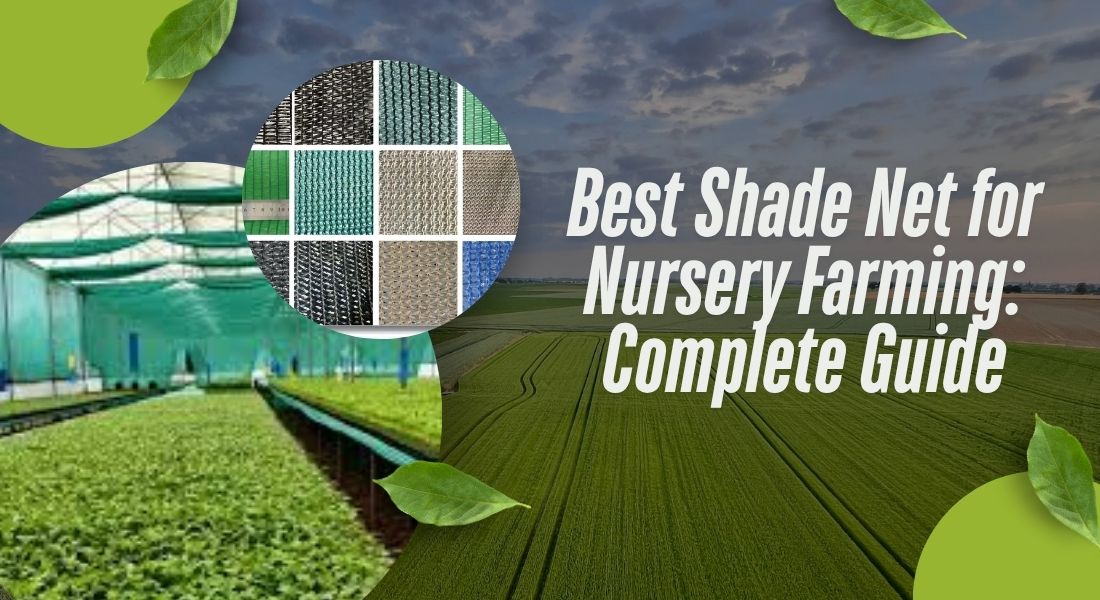
Best Shade Net for Nursery Farming: Complete Guide

Introduction

Nursery farming is the backbone of successful agriculture. Whether you are growing vegetables, fruits, flowers, or saplings, the early stage of plant growth requires precise environmental control. One of the most effective and affordable solutions is using shade nets.

If you’re searching for the best shade net for nursery farming, this guide will help you understand everything—from types and materials to selection tips and benefits—so you can make the right investment.

What is a Shade Net?

A shade net is a specially designed fabric made from high-density polyethylene (HDPE) that controls sunlight, temperature, and humidity for plants. It protects crops from harsh weather conditions like excessive heat, UV radiation, wind, and heavy rain.

Shade nets are widely used in:

  • Plant nurseries
  • Greenhouses
  • Terrace gardens
  • Commercial farming setups

Why Shade Nets are Essential for Nursery Farming

Young plants are delicate and highly sensitive to environmental changes. Without proper protection, they can suffer from heat stress, dehydration, or physical damage.

Here’s why shade nets are crucial:

1. Protection from Excess Sunlight

Direct sunlight can damage tender plants. Shade nets reduce light intensity while still allowing enough sunlight for photosynthesis.

2. Temperature Control

Shade nets help maintain a cooler environment, which is essential for seed germination and seedling growth.

3. Moisture Retention

They reduce evaporation, keeping soil moisture intact for longer periods.

4. Wind Protection

Strong winds can damage young plants. Shade nets act as a barrier.

5. Pest and Bird Protection

They provide partial protection against insects and birds.

Types of Shade Nets for Nursery Farming

Choosing the best shade net for nursery farming depends largely on the shading percentage and application.

1. 50% Shade Net

  • Allows moderate sunlight
  • Ideal for vegetables and flowering plants
  • Suitable for mild climates

2. 75% Shade Net

  • Provides balanced shading
  • Perfect for most nursery plants
  • Widely recommended option

3. 90% Shade Net

  • High shading capacity
  • Best for extreme heat regions
  • Used for delicate plants needing minimal sunlight

Pro Tip: For most nurseries, a 75% shade net is considered the best choice.

Which Shade Net is Best for Nursery Farming?

The answer depends on your crop type and climate, but here’s a general recommendation:

Best Overall Choice: 75% Green HDPE Shade Net

Why?

  • Provides optimal sunlight control
  • Maintains temperature balance
  • Suitable for a wide range of plants
  • Cost-effective and durable

If you are in hot regions like Gujarat, a 75% or even 90% shade net works best during peak summer.

Factors to Consider When Choosing the Best Shade Net

Before buying, consider these important factors:

1. Shade Percentage

Choose based on plant requirement:

  • Low shade → more sunlight
  • High shade → more protection

2. Material Quality

Always go for HDPE (High-Density Polyethylene):

  • UV stabilized
  • Long-lasting
  • Tear-resistant

3. Color of Net

Different colors affect plant growth:

  • Green – most common and balanced
  • Black – higher UV protection
  • White – reflects heat

4. Durability

Look for UV-treated nets that last 3–5 years or more.

5. Size and GSM

Higher GSM means stronger fabric.

Benefits of Using the Best Shade Net for Nursery Farming

Improved Plant Growth

Controlled environment leads to healthier seedlings.

Cost-Effective Solution

Compared to greenhouses, shade nets are much cheaper.

Climate Protection

Protects plants from heatwaves, heavy rain, and wind.

Long Lifespan

High-quality nets last several years with minimal maintenance.

Higher Productivity

Better survival rate of plants increases overall yield.

Installation Tips for Shade Nets

Proper installation ensures maximum effectiveness:

  • Use a strong frame (metal or bamboo)
  • Ensure proper tension to avoid sagging
  • Keep enough height for air circulation
  • Fix nets securely to withstand wind

Common Mistakes to Avoid

Choosing wrong shade percentage
Buying low-quality material
Improper installation
Ignoring local climate conditions

Avoiding these mistakes will help you get the best results.

Cost of Shade Nets in India

The cost depends on:

  • Shade percentage
  • GSM (thickness)
  • Brand and quality

Approximate Price Range:

  • ₹10 to ₹30 per sq. meter

Investing in a high-quality net may cost more initially but saves money in the long run.

Conclusion

Choosing the best shade net for nursery farming is a critical decision that directly impacts plant health and productivity. For most farmers and nursery owners, a 75% HDPE shade net offers the perfect balance of protection, durability, and cost-effectiveness.

By understanding your crop needs, climate conditions, and material quality, you can create an ideal environment for your plants to thrive.

FAQs

Which shade net is best for nursery plants?

A 75% shade net is generally the best option for most nursery plants.

How long do shade nets last?

High-quality HDPE shade nets can last 3–5 years or more.

Can I use shade nets in all seasons?

Yes, but the shading percentage may vary depending on the season.