
Introduction
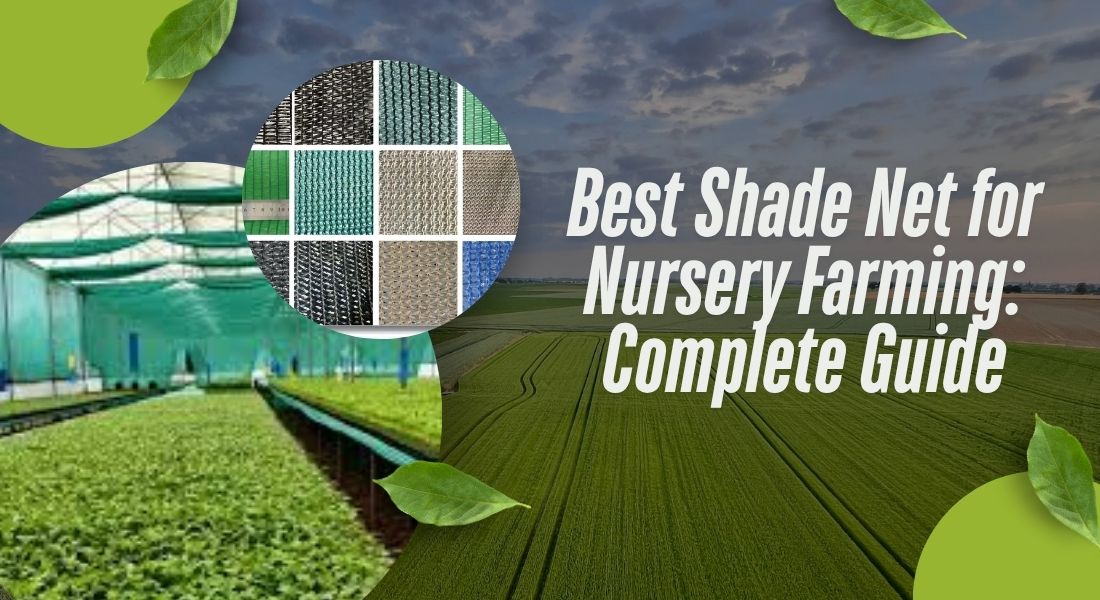
Nursery farming is the backbone of successful agriculture. Whether you are growing vegetables, fruits, flowers, or saplings, the early stage of plant growth requires precise environmental control. One of the most effective and affordable solutions is using shade nets.
If you’re searching for the best shade net for nursery farming, this guide will help you understand everything—from types and materials to selection tips and benefits—so you can make the right investment.
What is a Shade Net?
A shade net is a specially designed fabric made from high-density polyethylene (HDPE) that controls sunlight, temperature, and humidity for plants. It protects crops from harsh weather conditions like excessive heat, UV radiation, wind, and heavy rain.
Shade nets are widely used in:
- Plant nurseries
- Greenhouses
- Terrace gardens
- Commercial farming setups
Why Shade Nets are Essential for Nursery Farming
Young plants are delicate and highly sensitive to environmental changes. Without proper protection, they can suffer from heat stress, dehydration, or physical damage.
Here’s why shade nets are crucial:
1. Protection from Excess Sunlight
Direct sunlight can damage tender plants. Shade nets reduce light intensity while still allowing enough sunlight for photosynthesis.
2. Temperature Control
Shade nets help maintain a cooler environment, which is essential for seed germination and seedling growth.
3. Moisture Retention
They reduce evaporation, keeping soil moisture intact for longer periods.
4. Wind Protection
Strong winds can damage young plants. Shade nets act as a barrier.
5. Pest and Bird Protection
They provide partial protection against insects and birds.
Types of Shade Nets for Nursery Farming
Choosing the best shade net for nursery farming depends largely on the shading percentage and application.
1. 50% Shade Net
- Allows moderate sunlight
- Ideal for vegetables and flowering plants
- Suitable for mild climates
2. 75% Shade Net
- Provides balanced shading
- Perfect for most nursery plants
- Widely recommended option
3. 90% Shade Net
- High shading capacity
- Best for extreme heat regions
- Used for delicate plants needing minimal sunlight
Pro Tip: For most nurseries, a 75% shade net is considered the best choice.
Which Shade Net is Best for Nursery Farming?
The answer depends on your crop type and climate, but here’s a general recommendation:
Best Overall Choice: 75% Green HDPE Shade Net
Why?
- Provides optimal sunlight control
- Maintains temperature balance
- Suitable for a wide range of plants
- Cost-effective and durable
If you are in hot regions like Gujarat, a 75% or even 90% shade net works best during peak summer.
Factors to Consider When Choosing the Best Shade Net
Before buying, consider these important factors:
1. Shade Percentage
Choose based on plant requirement:
- Low shade → more sunlight
- High shade → more protection
2. Material Quality
Always go for HDPE (High-Density Polyethylene):
- UV stabilized
- Long-lasting
- Tear-resistant
3. Color of Net
Different colors affect plant growth:
- Green – most common and balanced
- Black – higher UV protection
- White – reflects heat
4. Durability
Look for UV-treated nets that last 3–5 years or more.
5. Size and GSM
Higher GSM means stronger fabric.
Benefits of Using the Best Shade Net for Nursery Farming
Improved Plant Growth
Controlled environment leads to healthier seedlings.
Cost-Effective Solution
Compared to greenhouses, shade nets are much cheaper.
Climate Protection
Protects plants from heatwaves, heavy rain, and wind.
Long Lifespan
High-quality nets last several years with minimal maintenance.
Higher Productivity
Better survival rate of plants increases overall yield.
Installation Tips for Shade Nets
Proper installation ensures maximum effectiveness:
- Use a strong frame (metal or bamboo)
- Ensure proper tension to avoid sagging
- Keep enough height for air circulation
- Fix nets securely to withstand wind
Common Mistakes to Avoid
Choosing wrong shade percentage
Buying low-quality material
Improper installation
Ignoring local climate conditions
Avoiding these mistakes will help you get the best results.
Cost of Shade Nets in India
The cost depends on:
- Shade percentage
- GSM (thickness)
- Brand and quality
Approximate Price Range:
- ₹10 to ₹30 per sq. meter
Investing in a high-quality net may cost more initially but saves money in the long run.
Conclusion
Choosing the best shade net for nursery farming is a critical decision that directly impacts plant health and productivity. For most farmers and nursery owners, a 75% HDPE shade net offers the perfect balance of protection, durability, and cost-effectiveness.
By understanding your crop needs, climate conditions, and material quality, you can create an ideal environment for your plants to thrive.
FAQs
Which shade net is best for nursery plants?
A 75% shade net is generally the best option for most nursery plants.
How long do shade nets last?
High-quality HDPE shade nets can last 3–5 years or more.
Can I use shade nets in all seasons?
Yes, but the shading percentage may vary depending on the season.