
Introduction
Sustainable farming is no longer just an option—it has become a necessity in today’s rapidly changing agricultural environment. With increasing climate challenges, water scarcity, and the need for higher productivity, farmers are turning to innovative solutions. One such essential tool is agro shade nets, which are transforming the way crops are grown and protected.
In this blog, we explore why are a must-have for sustainable farming, along with their benefits, applications, and future potential.
What Are Agro Shade Nets?
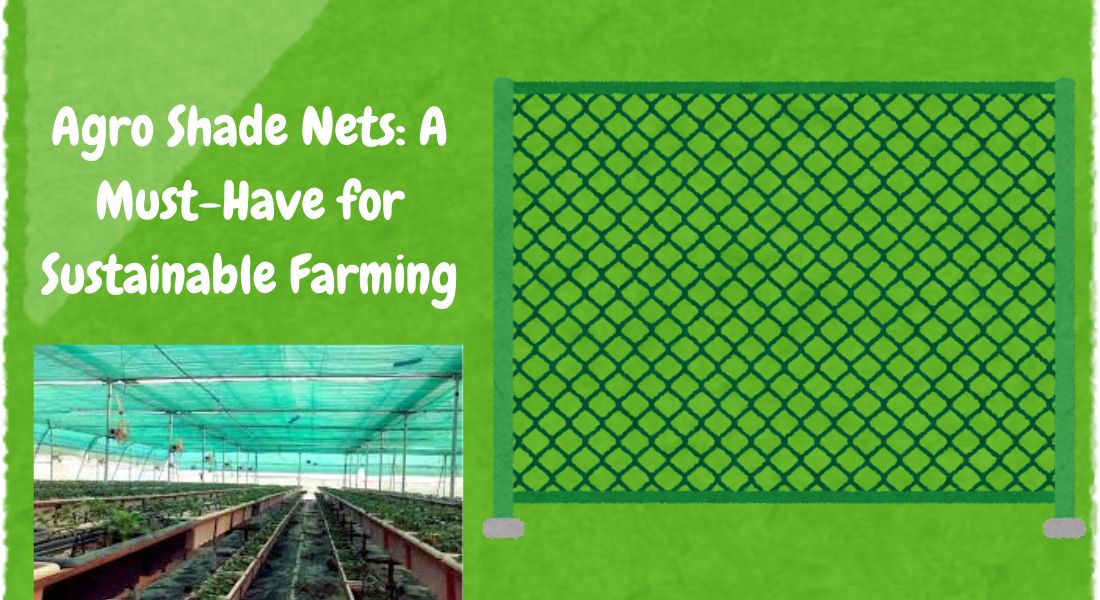
They are specially designed protective coverings made from durable materials like high-density polyethylene (HDPE). These nets are used to regulate environmental conditions such as sunlight, temperature, humidity, and wind.
Available in different shade percentages and colors, They are widely used in agriculture, horticulture, and nursery management.
Why Agro Shade Nets Are Essential for Sustainable Farming
1. Climate Control and Crop Protection
Agro shade nets help create a controlled microclimate by reducing excessive sunlight and heat. This protects crops from extreme weather conditions such as heatwaves, heavy rainfall, and strong winds.
2. Water Conservation
Water scarcity is a major concern in agriculture. Shade nets reduce evaporation, helping retain soil moisture and lowering irrigation requirements—making farming more water-efficient.
3. Improved Crop Yield and Quality
By maintaining stable growing conditions, agro shade nets promote healthy plant growth. This leads to:
- Higher yields
- Better crop quality
- Uniform growth
4. Reduced Chemical Usage
A controlled environment reduces the risk of pest attacks and diseases. This minimizes the need for chemical pesticides, contributing to safer and eco-friendly farming.
5. Support for Protected Cultivation
They are a key component of modern farming systems such as:
- Shade net houses
- Polyhouses
- Greenhouses
These systems enhance productivity while ensuring sustainability.
Key Benefits of Agro Shade Nets
- Protection from harmful UV rays
- Reduced heat stress on plants
- Lower water consumption
- Improved plant health and growth
- Cost-effective compared to full greenhouse systems
- Long-lasting and durable material
Applications of Agro Shade Nets
1. Horticulture and Floriculture
Widely used for growing flowers, fruits, and vegetables that require controlled sunlight and temperature.
2. Nurseries
Essential for protecting young plants and seedlings during early growth stages.
3. Vegetable Farming
Crops like tomatoes, capsicum, cucumbers, and leafy greens benefit greatly from shade net cultivation.
4. Urban and Terrace Gardening
They are increasingly popular among urban gardeners for protecting plants from extreme heat.
5. Commercial Uses
They are also used in:
- Poultry farms
- Parking areas
- Construction sites
Choosing the Right Agro Shade Net
To maximize benefits, farmers should consider:
- Crop type and sunlight requirement
- Climate conditions
- Shade percentage (30% to 90%)
- Net color (green, black, white, red)
- Quality and UV stabilization
Challenges and Considerations
While is offer many advantages, there are some challenges:
- Initial setup cost for shade net structures
- Lack of awareness among small farmers
- Risk of low-quality products in the market
- Need for proper installation and maintenance
Future of Agro Shade Nets in Sustainable Farming
As agriculture moves toward sustainability, the demand for agro shade nets is expected to grow significantly. Government support, increasing awareness, and advancements in agri-tech will further drive adoption.
In the coming years, integration with smart farming technologies like sensors and automated irrigation systems will make shade net farming even more efficient.
Conclusion
Agro shade nets have become an essential tool for sustainable farming, offering a practical solution to many agricultural challenges. By conserving water, protecting crops, and improving yield, they play a crucial role in building a more resilient and eco-friendly agricultural system.
For farmers looking to adopt sustainable practices, They are not just beneficial—they are a must-have.