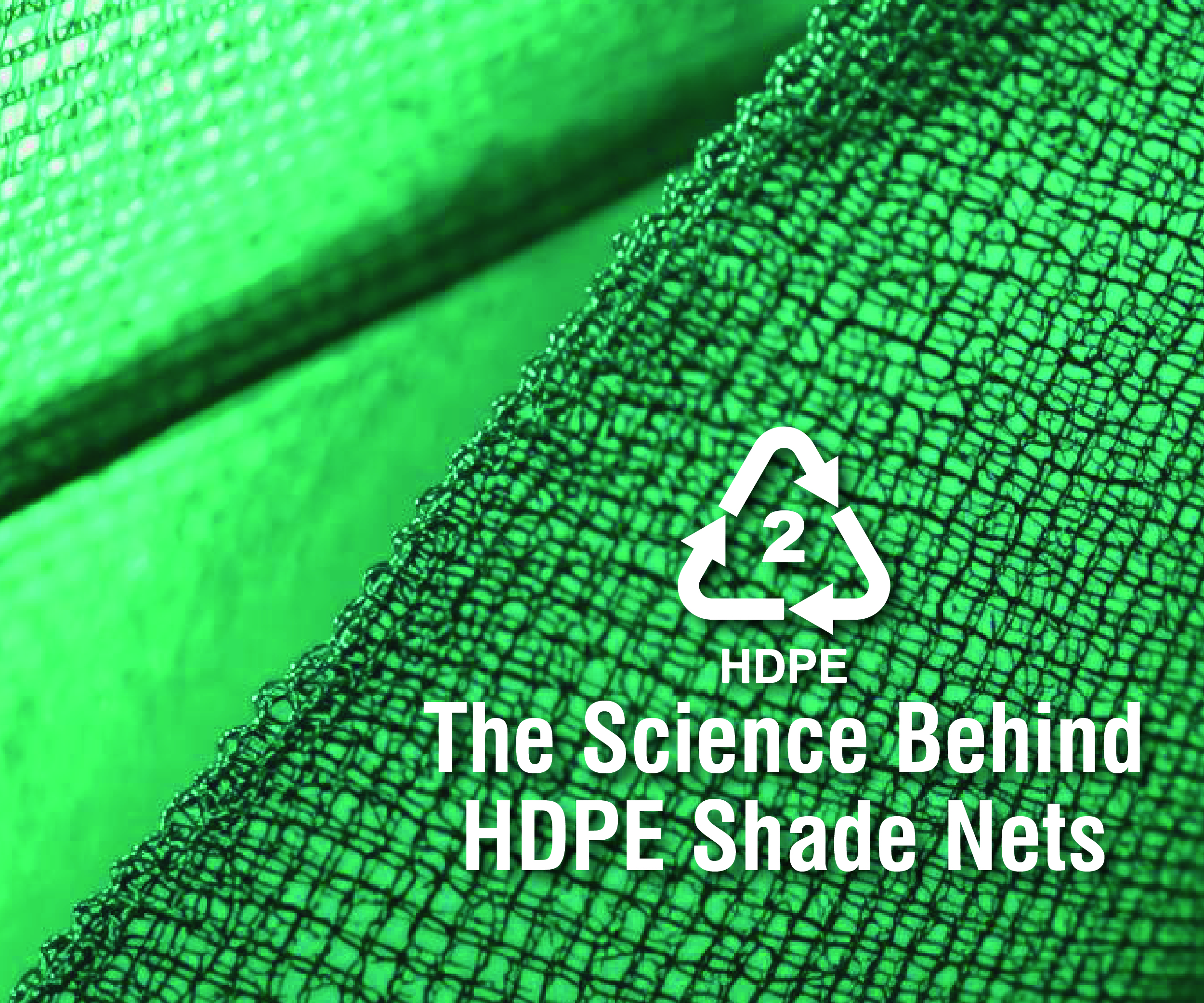
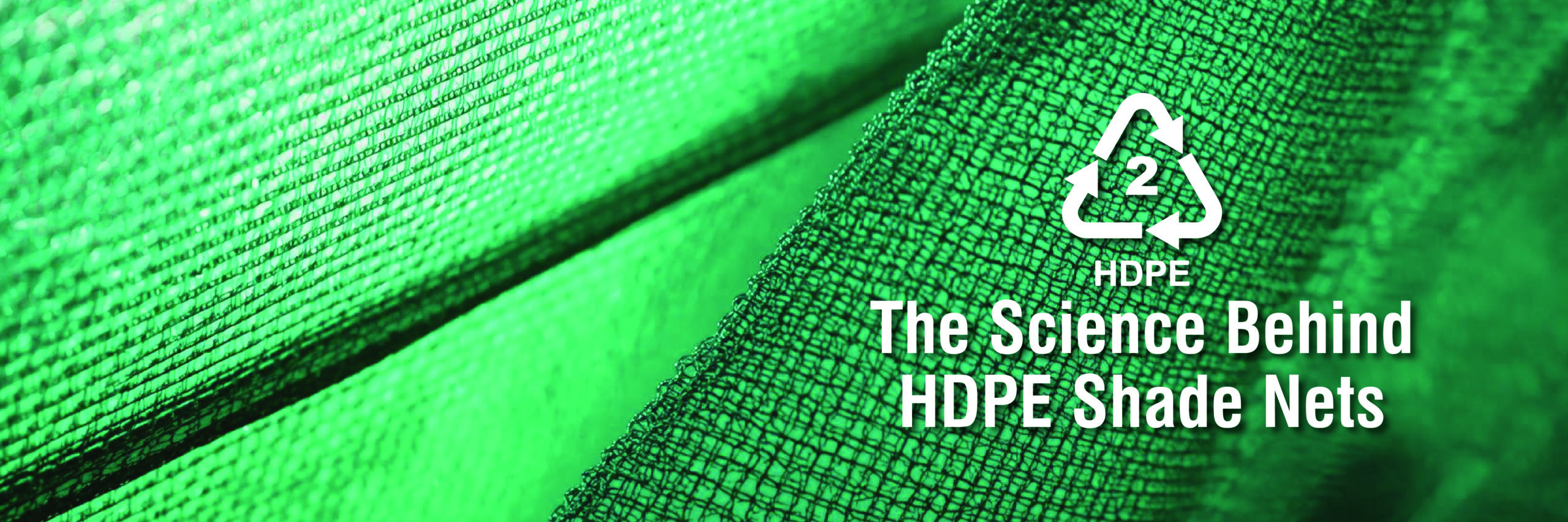
Engineering the Sun: The Science Behind HDPE Shade Nets
Introduction: More Than Just a Fabric
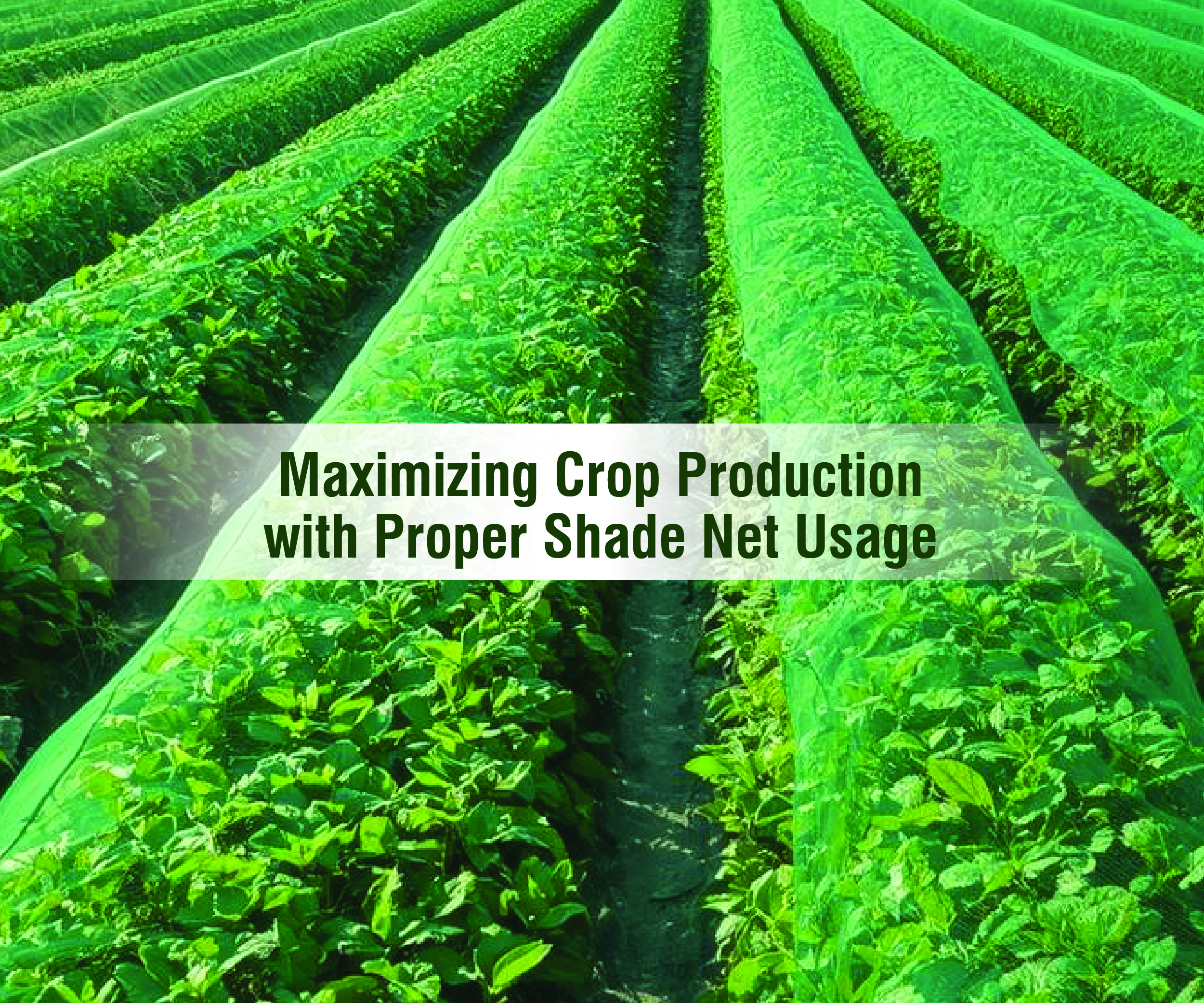
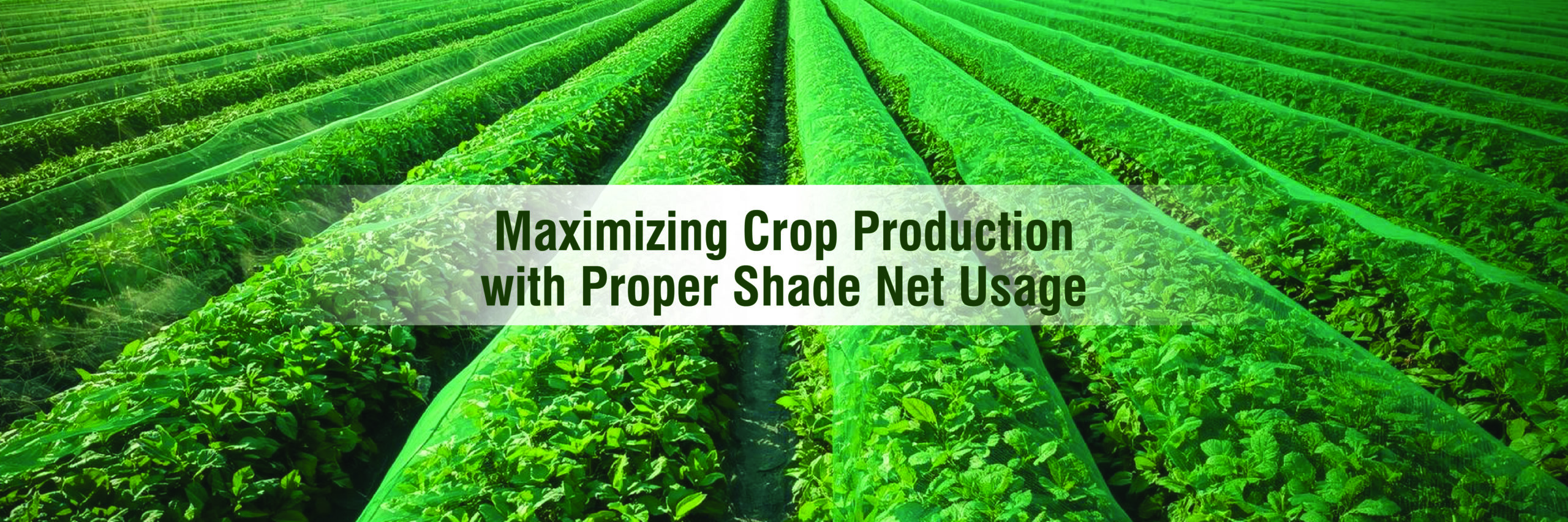
In modern protected cultivation, HDPE (High-Density Polyethylene) shade nets are more than simple coverings; they are a result of material science and engineering, designed to manipulate the most critical energy source on a farm: sunlight. Understanding the science behind these nets is key to maximizing their benefits, from controlling light quality to ensuring structural longevity.
The efficacy of an HDPE shade net depends on three major scientific factors: polymer stability, photoselective weaving, and thermal management. When these factors are optimized, the net transforms an unpredictable outdoor climate into a stable, highly efficient microclimate for plant growth.
This guide explores the scientific principles that allow HDPE nets to redefine agricultural productivity.
I. Material Science: The Durability of HDPE
The reliability of a shade net starts with the fundamental chemistry of its plastic polymer.
1. The HDPE Polymer Backbone
-
Chemistry: HDPE is a highly linear polymer with a high density (typically greater than $0.941 text{ g/cm}^3$). Its molecular structure consists of long, unbranched chains. This linearity allows the polymer chains to pack tightly together, giving the material its signature characteristics: high tensile strength (resistance to pulling/tearing) and high density.
-
Engineering Benefit: This strength allows the nets to be pulled drum-tight during installation and withstand significant wind loads without permanent stretching or tearing, which is crucial for structural stability.
2. UV Stabilization (The Anti-Aging Science)
-
The Problem: Unprotected plastics break down when exposed to the Sun’s Ultraviolet (UV) radiation. The UV energy breaks the polymer’s chemical bonds (photo-oxidation), causing the net to become brittle, lose color, and eventually disintegrate.
-
The Solution: HDPE shade nets are manufactured with specialized UV stabilizers (such as HALS – Hindered Amine Light Stabilizers). These additives absorb the UV energy or neutralize the free radicals created by the UV breakdown process, preventing chain scission.
-
Result: A high concentration of stabilizers is the science behind the net’s 5- to 8-year lifespan, ensuring the protection remains consistent.
II. Photoselective Science: Controlling Light Quality
The net’s weave and color are engineered to manage the quantity and quality of light passing through.
1. Light Diffusion vs. Blocking
-
Density: The Shade Percentage (density) is determined by the knitting pattern and the thickness of the monofilament or tape thread (GSM). A tighter, denser knit blocks more light, reducing the Photosynthetically Active Radiation (PAR) reaching the plant.
-
Diffusion: HDPE nets are designed to scatter or diffuse sunlight. Diffused light is crucial because it penetrates deeper into the lower canopy, ensuring all parts of the plant photosynthesize effectively, leading to more uniform growth and higher overall biomass/yield.
2. Color and Plant Morphology
-
Color Filter: Different colors manipulate the light spectrum:
-
Black: Blocks the highest percentage of solar radiation (heat) and is non-selective, allowing a neutral spectrum through.
-
White/Pearl: Maximizes light reflection and diffusion. Reflection reduces the heat absorbed by the structure, while the scattering effect promotes a more favorable light environment for high-value ornamental crops.
-
Red/Blue (Specialty): These colors selectively filter light, sometimes used to manipulate a plant’s hormonal response (e.g., stem elongation or flowering) based on the specific wavelengths transmitted.
-
III. Thermal Management and Microclimate Stability
The net’s ability to stabilize temperature and moisture is its most significant contribution to crop health.
1. Reducing Heat Load
-
Radiant Heat Interception: The net intercepts solar radiation before it hits the soil and plant surfaces. This prevents the large-scale absorption and re-radiation of heat (thermal load) inside the protected area.
-
Temperature Differential: This interception creates a significant temperature differential, keeping the microclimate cooler than the outside air, thus preventing heat stress and flower abortion in sensitive crops.
2. Controlling Transpiration
-
Moisture Stability: The combination of reduced temperature and moderated wind speed under the net drastically lowers the rate of evapotranspiration (water loss from soil evaporation and plant transpiration).
-
Physiological Benefit: By conserving water and preventing rapid dehydration, the net allows the plant to use its energy for metabolic processes (growth) rather than defensive survival mechanisms, directly leading to maximized crop production.
Conclusion: Engineered for Excellence
The science behind HDPE shade nets is a synergy of materials engineering and plant physiology. From the long-chain stability of the HDPE polymer and the protective chemistry of UV stabilizers to the precise light manipulation of the weave and color, every feature is designed to create a superior, stress-free growth environment. Choosing a high-quality, scientifically engineered net is the foundational step toward achieving consistent, high-value yields in a variable climate.