Engineering the Sun: The Science Behind HDPE Shade Nets

Engineering the Sun: The Science Behind HDPE Shade Nets

Introduction: More Than Just a Fabric

In modern protected cultivation, HDPE (High-Density Polyethylene) shade nets are more than simple coverings; they are a result of material science and engineering, designed to manipulate the most critical energy source on a farm: sunlight. Understanding the science behind these nets is key to maximizing their benefits, from controlling light quality to ensuring structural longevity.

The efficacy of an HDPE shade net depends on three major scientific factors: polymer stability, photoselective weaving, and thermal management. When these factors are optimized, the net transforms an unpredictable outdoor climate into a stable, highly efficient microclimate for plant growth.

This guide explores the scientific principles that allow HDPE nets to redefine agricultural productivity.

I. Material Science: The Durability of HDPE

The reliability of a shade net starts with the fundamental chemistry of its plastic polymer.

1. The HDPE Polymer Backbone

  • Chemistry: HDPE is a highly linear polymer with a high density (typically greater than $0.941 text{ g/cm}^3$). Its molecular structure consists of long, unbranched chains. This linearity allows the polymer chains to pack tightly together, giving the material its signature characteristics: high tensile strength (resistance to pulling/tearing) and high density.

  • Engineering Benefit: This strength allows the nets to be pulled drum-tight during installation and withstand significant wind loads without permanent stretching or tearing, which is crucial for structural stability.

2. UV Stabilization (The Anti-Aging Science)

  • The Problem: Unprotected plastics break down when exposed to the Sun’s Ultraviolet (UV) radiation. The UV energy breaks the polymer’s chemical bonds (photo-oxidation), causing the net to become brittle, lose color, and eventually disintegrate.

  • The Solution: HDPE shade nets are manufactured with specialized UV stabilizers (such as HALS – Hindered Amine Light Stabilizers). These additives absorb the UV energy or neutralize the free radicals created by the UV breakdown process, preventing chain scission.

  • Result: A high concentration of stabilizers is the science behind the net’s 5- to 8-year lifespan, ensuring the protection remains consistent.


II. Photoselective Science: Controlling Light Quality

The net’s weave and color are engineered to manage the quantity and quality of light passing through.

1. Light Diffusion vs. Blocking

  • Density: The Shade Percentage (density) is determined by the knitting pattern and the thickness of the monofilament or tape thread (GSM). A tighter, denser knit blocks more light, reducing the Photosynthetically Active Radiation (PAR) reaching the plant.

  • Diffusion: HDPE nets are designed to scatter or diffuse sunlight. Diffused light is crucial because it penetrates deeper into the lower canopy, ensuring all parts of the plant photosynthesize effectively, leading to more uniform growth and higher overall biomass/yield.

2. Color and Plant Morphology

  • Color Filter: Different colors manipulate the light spectrum:

    • Black: Blocks the highest percentage of solar radiation (heat) and is non-selective, allowing a neutral spectrum through.

    • White/Pearl: Maximizes light reflection and diffusion. Reflection reduces the heat absorbed by the structure, while the scattering effect promotes a more favorable light environment for high-value ornamental crops.

    • Red/Blue (Specialty): These colors selectively filter light, sometimes used to manipulate a plant’s hormonal response (e.g., stem elongation or flowering) based on the specific wavelengths transmitted.


III. Thermal Management and Microclimate Stability

The net’s ability to stabilize temperature and moisture is its most significant contribution to crop health.

1. Reducing Heat Load

  • Radiant Heat Interception: The net intercepts solar radiation before it hits the soil and plant surfaces. This prevents the large-scale absorption and re-radiation of heat (thermal load) inside the protected area.

  • Temperature Differential: This interception creates a significant temperature differential, keeping the microclimate cooler than the outside air, thus preventing heat stress and flower abortion in sensitive crops.

2. Controlling Transpiration

  • Moisture Stability: The combination of reduced temperature and moderated wind speed under the net drastically lowers the rate of evapotranspiration (water loss from soil evaporation and plant transpiration).

  • Physiological Benefit: By conserving water and preventing rapid dehydration, the net allows the plant to use its energy for metabolic processes (growth) rather than defensive survival mechanisms, directly leading to maximized crop production.


Conclusion: Engineered for Excellence

The science behind HDPE shade nets is a synergy of materials engineering and plant physiology. From the long-chain stability of the HDPE polymer and the protective chemistry of UV stabilizers to the precise light manipulation of the weave and color, every feature is designed to create a superior, stress-free growth environment. Choosing a high-quality, scientifically engineered net is the foundational step toward achieving consistent, high-value yields in a variable climate.
Setting the Standard: How Premier Polytech Nets Outperform Competitors in Quality and Durability

Setting the Standard: How Premier Polytech Nets Outperform Competitors in Quality and Durability

Introduction: The Difference Between Cost and Investment

In the agricultural market, not all shade nets are created equal. While many competitors offer low upfront prices, the true cost of a shade net is measured by its lifespan, reliability, and performance consistency. A net that fails prematurely due to low-grade materials or poor manufacturing creates a hidden drain on farm resources through constant repairs, replacements, and catastrophic crop loss.

Premier Polytech has spent years engineering its HDPE (High-Density Polyethylene) nets to be a premium, long-term investment. By prioritizing material purity, advanced weaving technology, and rigorous quality control, Premier Polytech nets consistently outperform competitors, securing predictable yields and offering superior value over their extended service life.

This guide breaks down the critical factors where Premier Polytech sets itself apart, defining its market leadership.


I. Superior Material Purity and Longevity

The foundation of Premier Polytech’s edge lies in its commitment to high-grade raw materials.

1. Virgin HDPE Polymer

  • The Premier Advantage: Premier Polytech exclusively uses 100% Virgin High-Density Polyethylene. This pure polymer base ensures maximum tensile strength and flexibility.

  • The Competitor Pitfall: Many low-cost competitors use recycled or adulterated polymers. These materials are inherently weaker, become brittle faster, and have less internal strength to resist stretching and tearing.

2. Unmatched UV Stabilization

  • The Premier Difference: The single biggest reason nets fail in India’s harsh sun is UV degradation. Premier Polytech incorporates a scientifically optimized, high concentration of UV stabilizers  directly into the polymer.

  • The Result: Premier Polytech nets are guaranteed for a lifespan of 5 to 8 years—often double or triple the service life of many competitors, making their nets the most reliable long-term choice.

3. Consistent GSM (Grams per Square Meter)

  • The Premier Guarantee: Premier Polytech maintains extremely tight tolerances on its GSM. This ensures that a net labeled  across its entire width and length.

  • The Competitor Issue: Inferior nets often have inconsistent GSM, leading to weak spots that tear easily and cause uneven shading, compromising the entire crop.


II. Advanced Manufacturing and Structural Integrity

Premier Polytech utilizes advanced technology that translates directly into a stronger, more functional product.

1. Lock-Stitch Knitting Technology

  • The Premier Advantage: Premier Polytech utilizes a high-tech lock-stitch knitting pattern. This unique weave prevents material from unraveling.

  • Structural Resilience: If the net sustains a small tear or puncture, the lock-stitch prevents the damage from “running” across the material. Competitors often use simple weaves that quickly unravel from a single snag, leading to rapid, irreversible net failure.

2. Optimized Light Diffusion (White/Pearl Nets)

  • The Premier Edge: Premier Polytech’s white and pearl nets are engineered not just to block light, but to maximize light diffusion.

  • Yield Superiority: This scattered light penetrates deeper into the plant canopy, improving photosynthesis efficiency on lower leaves. This uniform light distribution leads to superior quality, color, and higher overall yield compared to the harsh, shadowed light provided by less effective nets.

3. Holding Tension Better

  • The Premier Difference: Due to the strength of the Virgin HDPE and the tight knitting, Premier Polytech nets maintain their tension better over time, resisting stretching and sagging.

  • Lower Maintenance: This superior tension retention means less labor spent on re-tensioning, less risk of rainwater pooling, and lower structural maintenance costs—a key differentiator in long-term farm economics.


III. Commitment to Farmer Profitability

Premier Polytech’s superior performance translates directly into financial benefits for the farmer.

Performance Factor Premier Polytech Benefit Competitor Risk
Lifespan 5-8 years of consistent use 1-3 years, forcing recurring replacement costs
Yield Reliability Stable microclimate minimizes heat stress and flower drop Inconsistent shade/failure leads to unpredictable yield loss
Maintenance Cost Low, due to high tear resistance and tension stability High, due to constant need for patching and re-tensioning
Pest/Disease Control Stable structure supports fine-mesh insect exclusion better Weak structure allows gaps for pest entry


Conclusion: Buy Quality, Buy Once

Choosing a shade net is a critical farm investment. While a competitor may offer a net today that looks similar, only Premier Polytech guarantees the underlying quality of materials and manufacturing needed to deliver consistent protection year after year.

By investing in Premier Polytech, farmers are securing a product built on Virgin HDPE, superior UV stabilization, and structural lock-stitch integrity. This commitment ensures maximum crop protection, minimizes maintenance headaches, and delivers the highest, most reliable return on investment over the long haul.

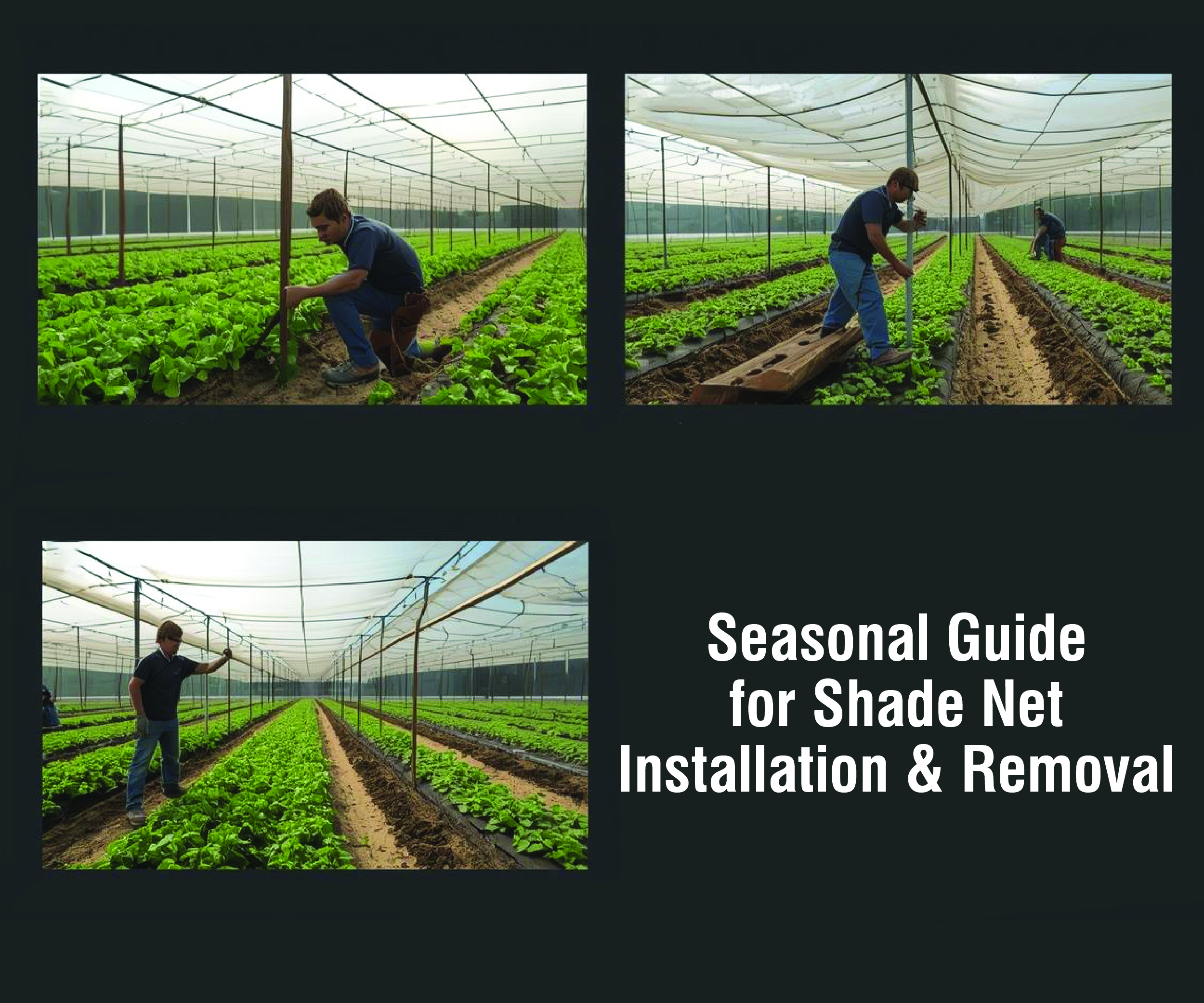
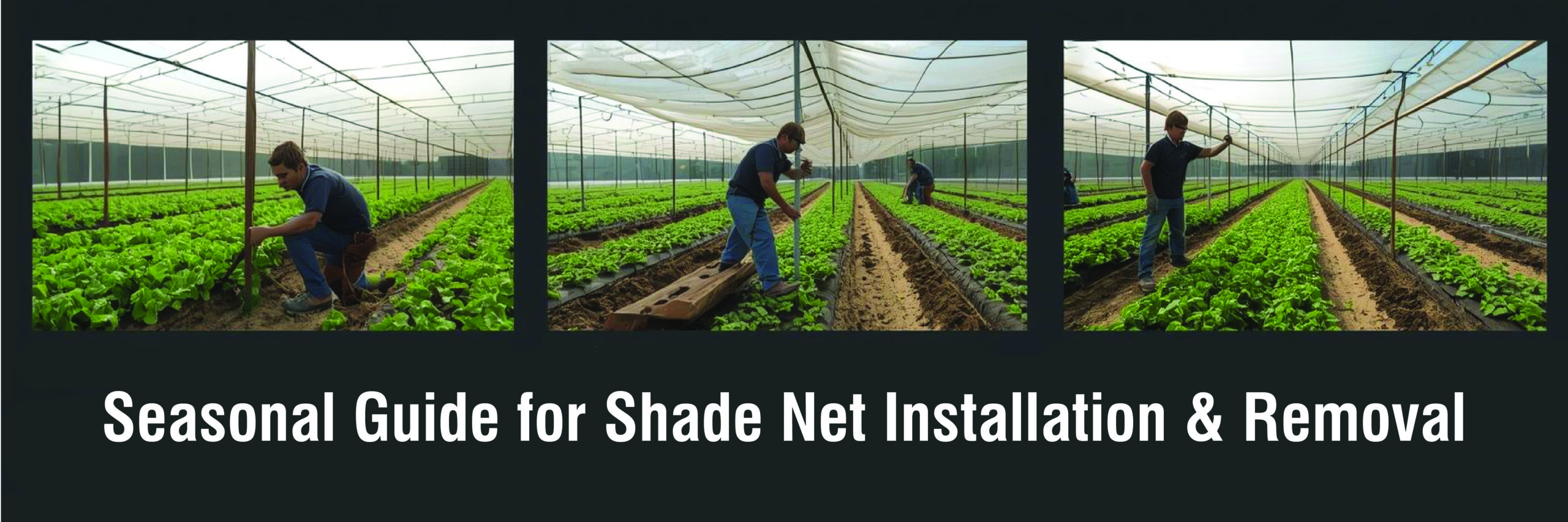
Timing is Everything: A Seasonal Guide for Shade Net Installation and Removal

Timing is Everything: A Seasonal Guide for Shade Net Installation and Removal

Introduction: Synchronizing Shade with the Seasons

The decision of when to install and when to remove a shade net is as critical as choosing the net itself. A shade net provides immense benefits, but deploying it too early can limit necessary light, and removing it too late can expose valuable crops to harsh conditions.

Effective, seasonal management of your shade net structure is the key to maximizing light efficiency during growth phases and ensuring robust protection during peak stress periods. This systematic approach saves labor, extends the net’s lifespan, and guarantees your crops receive the optimal amount of light and protection year-round.

This guide provides a seasonal framework for the installation and removal of agricultural shade nets, tailored to typical climatic transitions.

Phase 1: Spring (Installation)

Goal: Provide protection as the sun intensifies and temperatures begin to rise.

Timeframe Action Rationale
Late Winter / Early Spring (Feb-March) Structure Inspection & Repair: Inspect all posts, cables, and tensioning hardware. Repair or replace any damaged components. Ensures the entire structure is sound and ready for high tension and wind loads.
Mid-Spring (March-April) Installation: Deploy the shade net when daytime temperatures consistently exceed the crop’s optimal growth range or when sun intensity becomes noticeably harsh. Prevents early-season heat stress and sunscald during critical flowering/setting stages.
Post-Installation Tension Check: Re-check and tighten all tensioning hardware (turnbuckles) 3–5 days after the initial installation. The net material may stretch slightly after the initial deployment; re-tensioning prevents damaging slack.

Phase 2: Summer (Maintenance & Use)

Goal: Continuous protection against peak heat, UV, and monsoon rains.

Timeframe Action Rationale
Peak Summer (May-June) Daily Monitoring: Check the internal temperature and humidity daily. Ensure side ventilation flaps are open, and cooling systems (if any) are functioning. Ensures the net is performing its core cooling function and preventing humidity buildup.
Pre-Monsoon Check Drainage: Ensure the net remains taut, with no potential low spots for water collection. Clear ground drainage channels beneath the structure. A tight net sheds water efficiently, preventing the excessive weight accumulation that causes collapse during heavy rains.
Post-Monsoon (Aug-Sept) Damage Inspection: Check all attachment points and the net surface for any tears or abrasion caused by high winds and heavy rainfall. Immediate repair prevents small tears from expanding into large, costly failures.

Phase 3: Autumn (Removal Preparation)

Goal: Maximize light penetration for crops that finish ripening and prepare the net for storage.

Timeframe Action Rationale
Early Autumn (Sept-Oct) Evaluate Crop Needs: Assess if the net is still needed. For late-fruiting or maturing crops, the net may still be necessary to prevent late-season sunscald. Maximize light exposure as temperatures moderate to finish ripening, but protect from the last intense days of sun.
Late Autumn (Oct-Nov) Cleaning: If removal is scheduled, hose down the net while it is still installed to remove accumulated dust, leaves, and debris. Cleaning the net on the frame is easier; removing debris is crucial for effective off-season storage.

Phase 4: Winter (Removal & Storage)

Goal: Protect the net from damaging snow and frost, and maximize low-angle winter sunlight.

Timeframe Action Rationale
Early Winter (Nov-Dec) Removal: Carefully remove the net (best done on a calm, sunny day). Avoid dragging the net across the ground to prevent snags. Maximizes low-angle winter sunlight for cold-weather crops and removes the structure before frost/snow damage.
Post-Removal Dry and Fold: Ensure the net is completely dry. Fold the net neatly and roll it up. Storing a damp net causes mold and mildew. Proper folding prevents creases that weaken the material.
Storage: Store the net in a cool, dark, pest-free area (e.g., a closed shed). Protects the net from moisture, rodents, and further UV exposure during its resting period, greatly extending its service life.
Structure Storage: Disassemble temporary PVC/bamboo frames, or inspect permanent steel/wood structures and apply rust/rot protection as needed. Prevents deterioration of the support infrastructure over the winter months.

Conclusion: Consistent Care, Consistent Yields

Managing your shade net according to the seasons is a professional farming practice that pays dividends. By rigorously adhering to this installation, maintenance, and removal schedule, you not only protect your net investment, but you also ensure that every crop receives optimal light and temperature control necessary for peak production and profitability throughout the year.

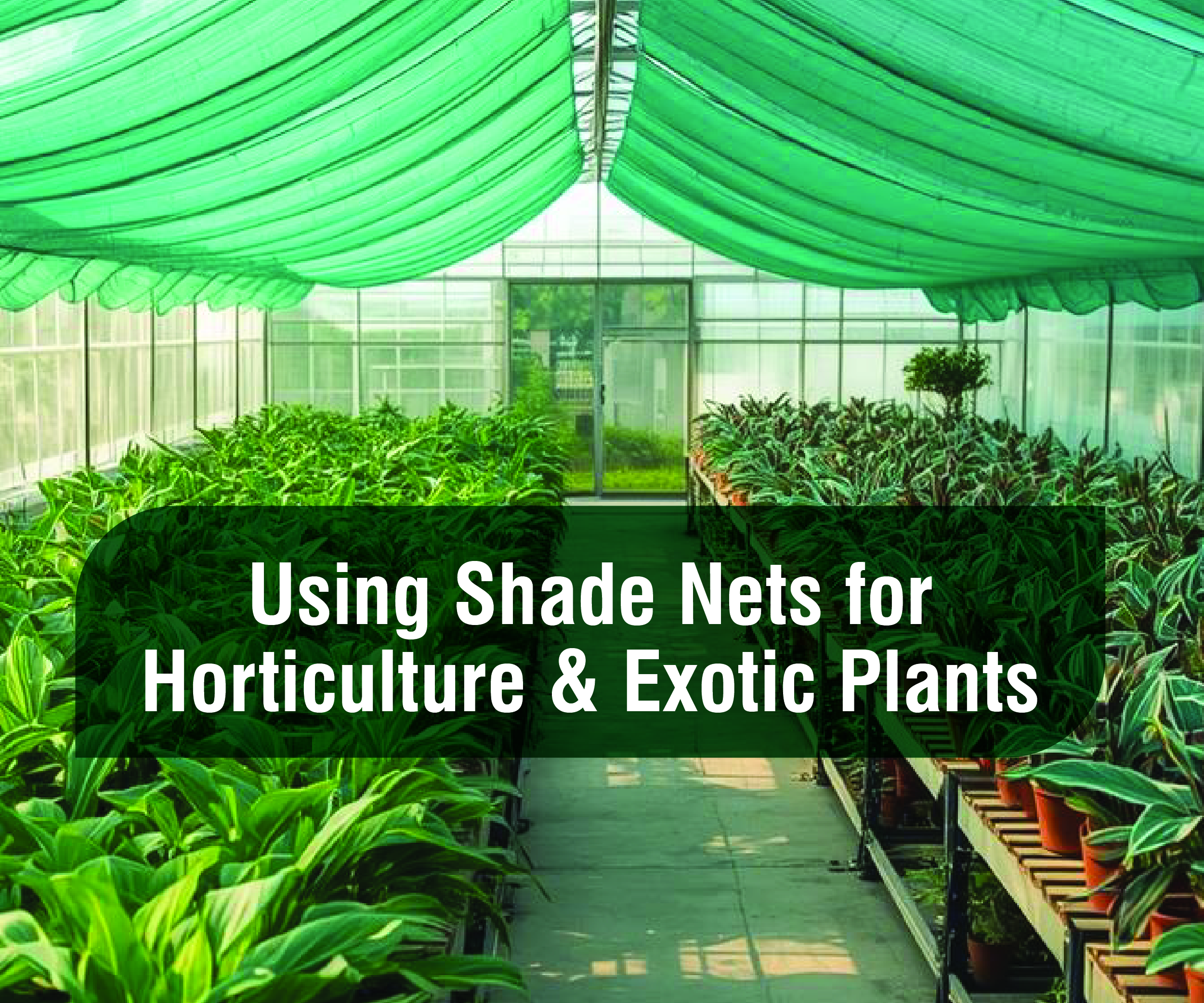
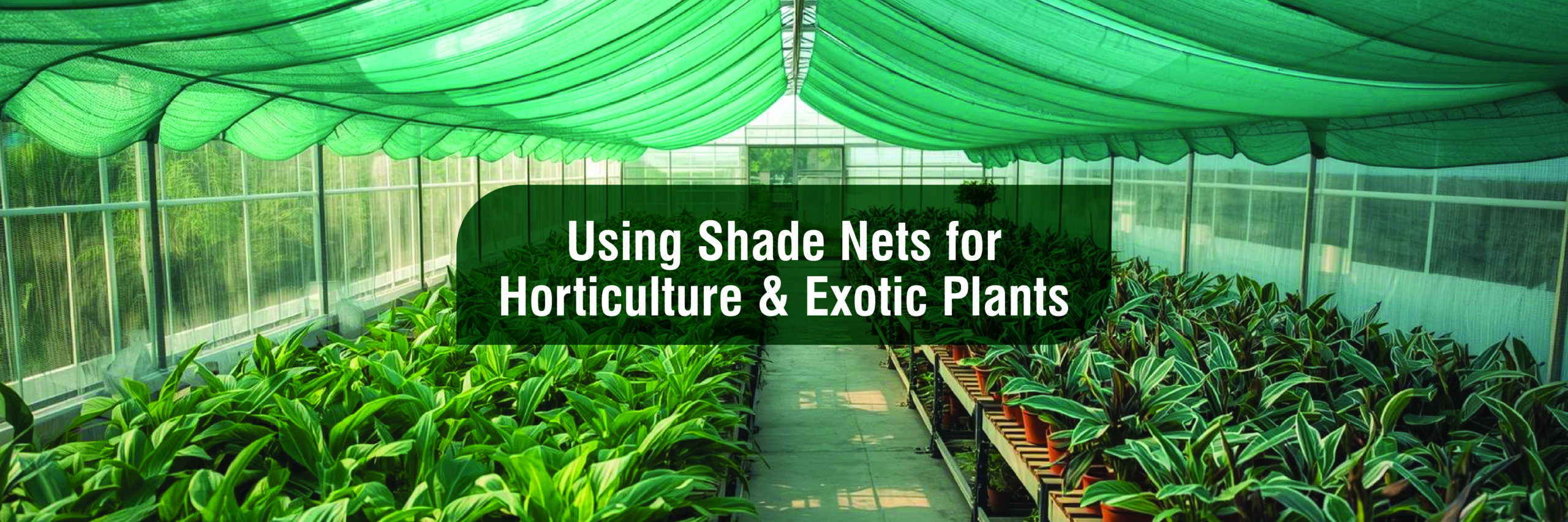
Cultivating the Rare: Using Shade Nets for Horticulture and Exotic Plants

Cultivating the Rare: Using Shade Nets for Horticulture and Exotic Plants

Introduction: The Delicate Balance of High-Value Crops

Horticulture, which encompasses the cultivation of high-value ornamental plants, flowers, and specialized herbs, often deals with exotic species that thrive only under precise environmental controls. Unlike common field crops, these plants cannot tolerate direct, intense sunlight, extreme temperatures, or rapid climate fluctuations.

HDPE (High-Density Polyethylene) Shade Nets are indispensable tools in this sector, providing a precise, customized microclimate that mimics the plant’s natural habitat—be it a rainforest floor or a humid, coastal understory. Shade nets allow horticulturists to grow delicate, premium-grade crops successfully and sustainably.

This guide details the strategic use of shade nets to meet the demanding requirements of high-value horticultural and exotic plants.


I. Precision Light Management for Specialty Plants

Exotic plants require light control that moves beyond simple protection and into the realm of biological stimulation.

1. Mimicking the Canopy Environment

  • Understory Plants: Many valuable exotic plants, such as orchids, ferns, bromeliads, and certain flowering shrubs, are native to the forest floor where light is naturally filtered by a dense canopy.

  • Targeted Density: For these species, shade nets are typically used at $50%$ to $75%$ density (or even higher) to recreate the specific low-light conditions they need for optimal growth, preventing the leaf scorch and heat stress that kill them in full sun.

2. Diffused Light for Aesthetic Quality

  • Color Enhancement: Direct, harsh sunlight can fade the vibrant colors of ornamental foliage and flowers. Shade nets, especially those in White or Pearl, scatter or diffuse the light.

  • Market Value: This diffused light ensures uniform light penetration, promoting better pigment development and resulting in deeper, richer, and more consistent leaf and flower coloration—a key factor in the high market value of horticultural products.

3. Controlling Photoperiod

  • Flowering Control: For certain flowering plants, the light intensity and duration are crucial. Shade nets can be part of a photoperiod control system. Denser, light-blocking fabrics can be pulled over the plants at specific times to regulate light exposure, ensuring the flowers bloom precisely when required by the market (e.g., for holiday seasons).


II. Creating the Ideal Exotic Microclimate

Temperature and humidity stability are paramount for the survival of non-native species.

1. Stabilizing Temperature

  • Preventing Thermal Shock: Many exotic plants are highly sensitive to sudden temperature shifts. Shade nets dampen these daily extremes by lowering the daytime peak temperature by $5^circ C$ to $10^circ C$.

  • Mitigating Heat Stress: This continuous moderation keeps the environment stable, preventing the plant stress that leads to stunted growth and poor flower quality.

2. Maintaining Essential Humidity

  • Reduced Transpiration: The cooling effect of the net significantly lowers the rate of evaporation from both the soil and the plant leaves (transpiration).

  • Humid Environment: For tropical or high-humidity species, this passive management helps maintain higher relative humidity levels beneath the net structure, reducing the need for expensive and energy-intensive misting or fogging systems.


III. Physical and Structural Protection

Horticultural products represent a high investment per unit, making physical protection essential.

1. Shielding Delicate Tissue

  • Rain and Wind Buffering: The nets soften the impact of heavy rain and reduce wind speed. This is crucial for plants with delicate foliage, large flower heads, or brittle stems, preventing physical damage and scuffing that would reduce their market grade.

2. Supporting Nursery and Propagation

  • Seedling Success: Shade nets are essential for propagation stages (cuttings, grafting, seed starting). They provide the gentle, controlled environment necessary for delicate root development and the successful transition of young plants from lab culture to the soil. Nursery yield maximization relies entirely on this controlled shading.


Conclusion: Precision Farming for Premium Crops

For the horticulture sector, shade nets are not a luxury but a fundamental necessity. They allow growers to precisely customize the environment—managing light intensity, diffusion, temperature, and humidity—to suit the exacting demands of high-value and exotic plants. By utilizing the correct shade net, horticulturists secure the health, aesthetic quality, and consistent production of their delicate crops, driving profitability and advancing specialized cultivation techniques.

The Invisible Shield: How Shade Nets Prevent Pest and Disease Spread

The Invisible Shield: How Shade Nets Prevent Pest and Disease Spread

Introduction: Beyond Sun Protection

In modern agriculture, a successful harvest is often defined by how effectively farmers manage the dual threats of pests and diseases. Traditional methods rely heavily on chemical intervention, which is costly and raises environmental concerns. However, the solution lies not just in treatment, but in prevention.

HDPE (High-Density Polyethylene) Shade Nets, particularly those with finer mesh weaves, function as far more than just light filters. When installed correctly, they create a comprehensive physical and environmental barrier that significantly reduces the incidence and spread of devastating insects, fungi, and bacteria.

This guide details the crucial roles shade nets play in Integrated Pest Management (IPM) and disease control, paving the way for healthier crops and lower chemical use.


I. The Physical Barrier: Stopping Pests at the Perimeter

The most direct way shade nets prevent pest spread is by physically excluding them from the protected environment.

1. Anti-Insect Netting (Fine Mesh)

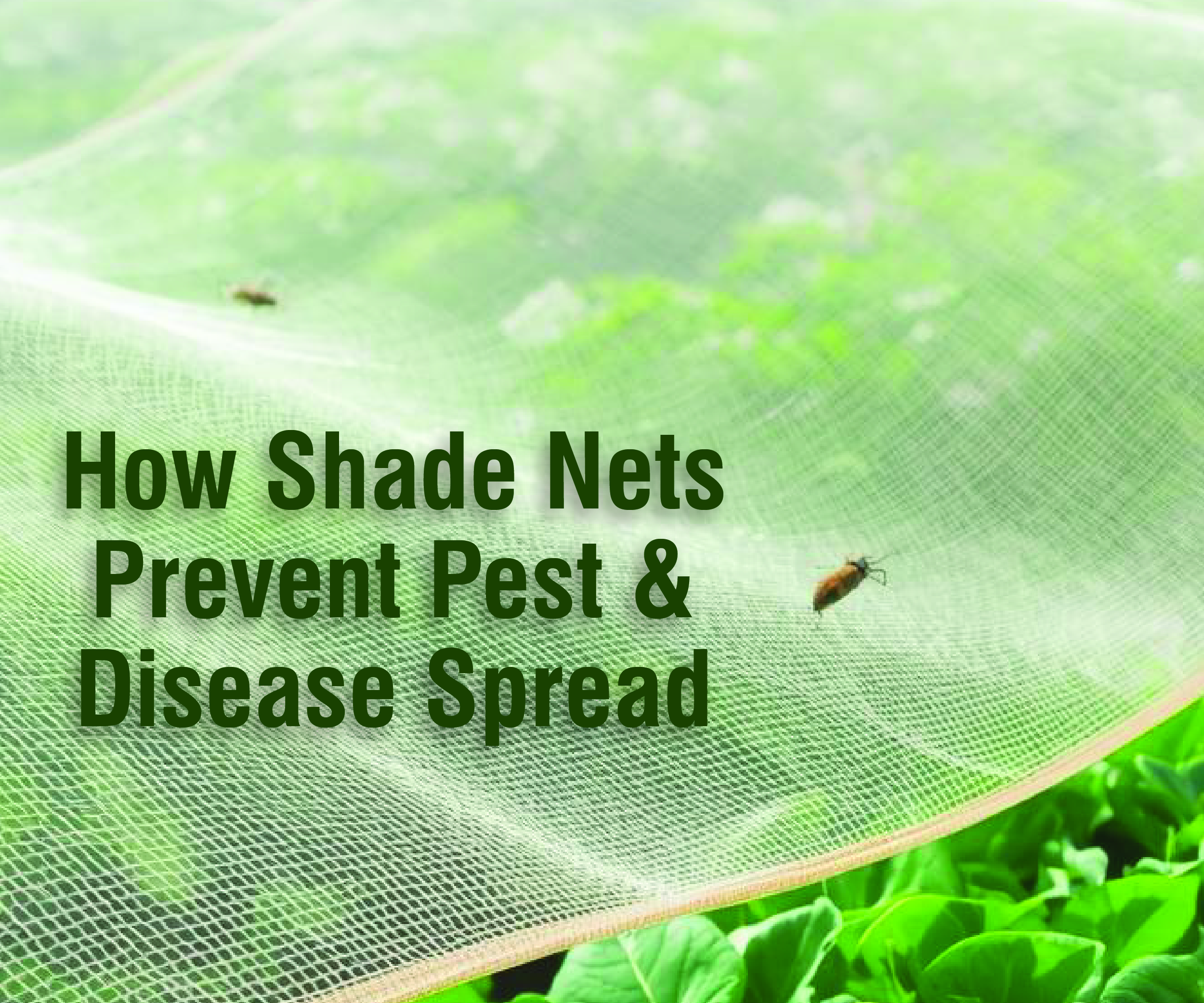
  • Exclusion: Specialized, very fine-mesh shade nets (often referred to as insect nets, or “netting”) are installed vertically on the sides of the structure. The tiny mesh openings are sized to be smaller than common pests like whiteflies, thrips, and aphids.

  • Reducing Vector Spread: This barrier is crucial because insects act as vectors, carrying viruses and bacteria from infected plants outside the net house to healthy crops inside. By blocking the vector, you stop the viral disease spread altogether.

2. Exclusion of Larger Pests

  • Bird and Rodent Control: The physical netting blocks larger animals, such as birds, rabbits, and rodents, which can cause significant physical damage to high-value plants and spread fecal-borne diseases.

3. Quicker Disease Identification

  • Containment: Because the net acts as a barrier, any disease that does appear is usually contained to the area within the structure. This makes localized identification and treatment much easier and prevents the rapid, field-wide spread common in open environments.


II. Environmental Control: Inhibiting Fungal and Bacterial Growth

Many plant diseases thrive in specific environmental conditions. Shade nets help disrupt this ideal climate, making life harder for pathogens.

1. Reducing Humidity and Condensation

  • The Problem: Fungal spores (like those causing Powdery Mildew and Downy Mildew) require a film of water on the leaf surface or high humidity to germinate and spread.

  • The Solution: While shade nets reduce temperature, when used with proper ventilation, they prevent extreme temperature fluctuations that cause condensation. The reduction in wind speed also leads to less physical damage, preventing entry points for bacteria.

2. Minimizing Stress-Induced Diseases

  • Stress = Weakness: Plants under stress (e.g., from excessive heat or dehydration) have weakened immune systems and are more susceptible to disease and pest damage.

  • The Benefit: By lowering the temperature and stabilizing moisture, the shade net keeps plants healthy and vigorous. A healthy plant is naturally more resistant to infection and recovers faster if disease does strike.

3. Controlling Soil Splash

  • Soil-Borne Disease: Many pathogens live in the soil. Heavy rain can cause soil and pathogens to splash up onto the lower leaves, leading to stem and leaf infection.

  • Mitigation: The net breaks the force of heavy raindrops, minimizing soil splash and keeping the critical lower leaves dry and clean.


III. The Advantage of Lower Chemical Inputs

Successful pest and disease prevention through shade nets leads directly to more sustainable and cost-effective farming.

1. Lower Input Costs

  • Reduced Frequency: With fewer initial infections and pest invasions, farmers can significantly reduce the frequency and volume of chemical sprays (pesticides, fungicides), leading to substantial savings.

2. Healthier Produce

  • Residue Reduction: Less reliance on chemical inputs results in produce with lower pesticide residues. This meets increasingly strict market standards and appeals to health-conscious consumers, allowing the farmer to command premium prices.


IV. Conclusion: A Key to Sustainable Health

Shade nets are an indispensable component of any modern, sustainable farm’s IPM strategy. They provide a physical defense against disease-spreading vectors, manipulate the microclimate to inhibit fungal growth, and keep plants stress-free and naturally resistant. By using the right net—especially fine-mesh insect netting—farmers can dramatically reduce their reliance on chemicals, achieving the twin goals of superior crop health and environmental responsibility.

Harvest High: Maximizing Crop Production with Proper Shade Net Usage

Harvest High: Maximizing Crop Production with Proper Shade Net Usage

Introduction: From Protection to Production

In modern agriculture, the margin between a good harvest and a record-breaking yield often lies in mastering the microclimate. While shade nets are famous for protecting crops from harsh weather, their true value lies in their ability to optimize the environment, allowing plants to divert maximum energy toward growth, flowering, and fruit development.

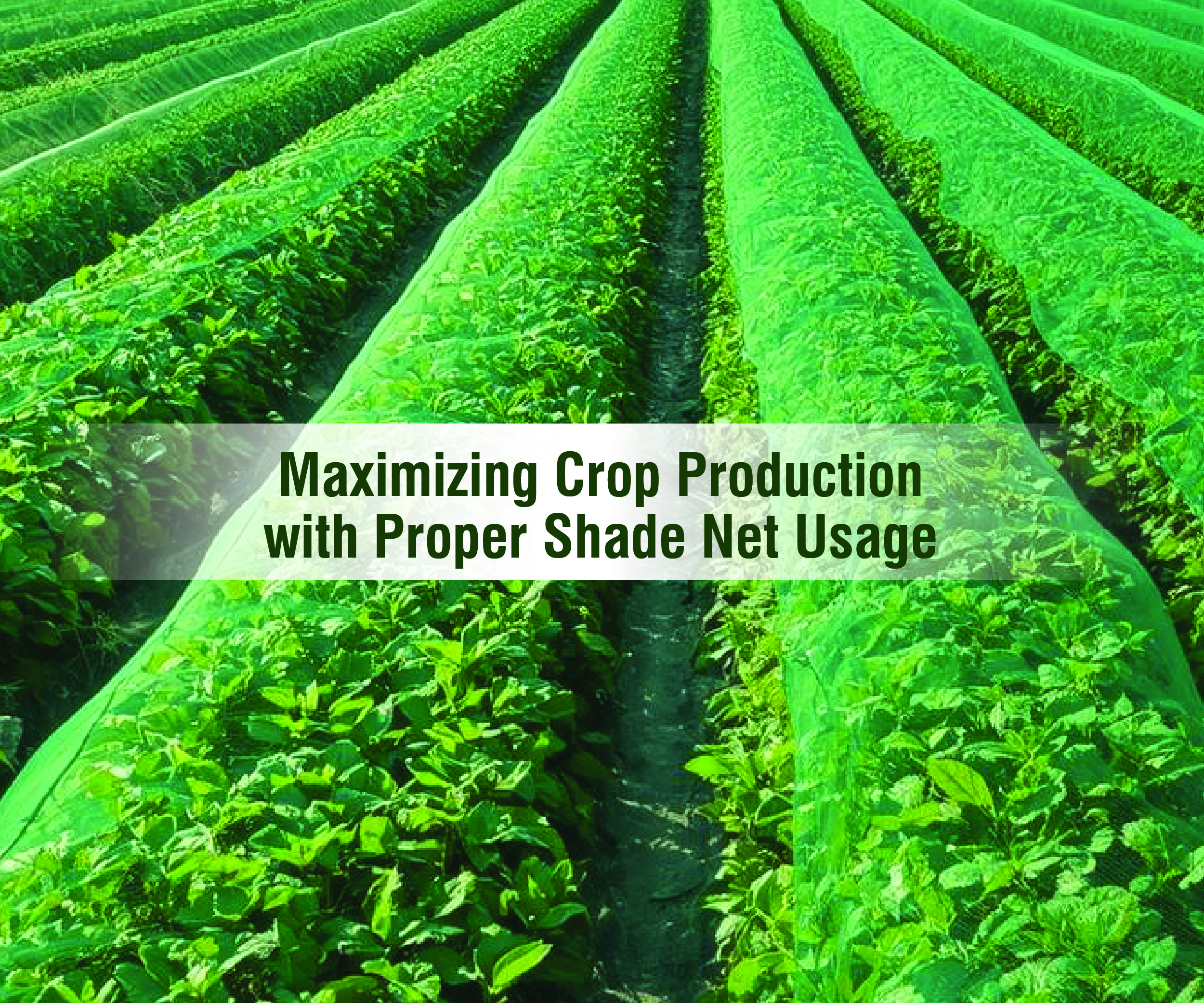
Proper shade net usage involves strategic selection, precise installation, and dynamic management. When deployed correctly, HDPE shade nets transform an unpredictable outdoor environment into a stable, high-efficiency growth chamber, directly leading to higher output and superior quality.

This guide details the essential strategies for using shade nets not just for survival, but for actively maximizing your crop production.


I. Strategic Selection: Matching Net to Yield Goal

Maximizing production begins with selecting the exact net required for your specific crop and climate.

1. The Critical Choice: Shade Percentage

The biggest mistake is miscalculating the light required for photosynthesis versus the shade required for stress reduction.

  • Fruiting Crops (High Yield Goal): For high-light demand crops (Tomato, Capsicum, Cucumber), prioritize a lighter shade net (30% to 50%). This reduces heat stress and prevents sunscald while ensuring the plant receives maximum light energy for robust flowering and fruit set.

  • Leafy & Nursery Crops (Biomass Goal): For leafy greens (Lettuce, Spinach) and young seedlings, use a moderate shade net (50% to 65%). This prevents leaf scorching and bolting, prolonging the vegetative phase and increasing marketable biomass.

2. The Strength Factor: GSM

To maximize production, the net must remain stable throughout the season. Choose a high GSM (Grams per Square Meter) net (e.g., $110 text{ GSM} +$) for structural longevity. A durable net resists tearing, minimizing costly mid-season failures that destroy yield.

3. Color Choice for Quality

  • Black/Green: Best for overall cooling and durability.

  • White/Pearl: Excellent for maximizing diffuse light (light scattered evenly). Diffused light penetrates the lower canopy, ensuring more uniform production across the entire plant—a key factor in maximizing total yield.


II. Optimizing the Growth Environment

Proper shade net usage focuses on stabilizing the two key variables: temperature and moisture.

1. Maintaining Optimal Temperature for Flowering

  • Preventing Flower Drop: High temperatures (often above $35^circ C$ or $95^circ F$) cause many crops to abort their flowers, immediately destroying yield potential.

  • Production Benefit: By lowering the internal temperature by $5^circ C$ to $10^circ C$, the shade net keeps the plant in its reproductive sweet spot, ensuring successful pollination and fruit retention.

2. Precision Water Management

  • Water Saving: Shade nets significantly reduce water loss through evapotranspiration. This is crucial because it ensures the plant has consistent water availability.

  • Nutrient Uptake: Stable soil moisture, protected by the net, allows for steady, reliable nutrient uptake from the roots. Erratic watering caused by high heat fluctuations leads to common production flaws like Blossom End Rot (BER). Stable moisture guarantees better quality and higher marketable yield.


III. Dynamic Management and Structural Excellence

The highest yields come from farms that manage their shade nets actively and ensure structural integrity.

1. Dynamic Control (Retractability)

  • Maximize Winter Light: If possible, use a retractable system. During low-light winter months or on cloudy days, retract the net to maximize available light and energy absorption.

  • Targeted Protection: Deploy the net only during peak stress hours (typically 11 AM to 4 PM) in transitional seasons. This ensures optimal light when needed and protection when required.

2. Perfect Tensioning for Longevity

  • Prevent Flapping: Follow the best practice of installing the net drum-tight. A taut net reduces wear and tear and prevents mid-season failure, thus protecting your yield investment.

  • Ventilation is Key: Ensure the structure is tall enough and has open sides (or high vents) to allow hot, humid air to escape. Good ventilation prevents the buildup of humidity, which can lead to fungal diseases that rapidly reduce production.

3. Hardening Off for Transplant Success

  • Nursery Yields: Use a high-shade net (e.g., $75%$) for initial seed germination. Before transplanting to the field, move the seedlings to a $50%$ shade net for 7–10 days. This hardening-off process prepares the plants for full sun, drastically increasing field survival rates and accelerating production.

Staying Cool on the Farm: How to Use Shade Nets for Livestock Heat Stress Reduction

Staying Cool on the Farm: How to Use Shade Nets for Livestock Heat Stress Reduction

Introduction: The Threat of Heat Stress

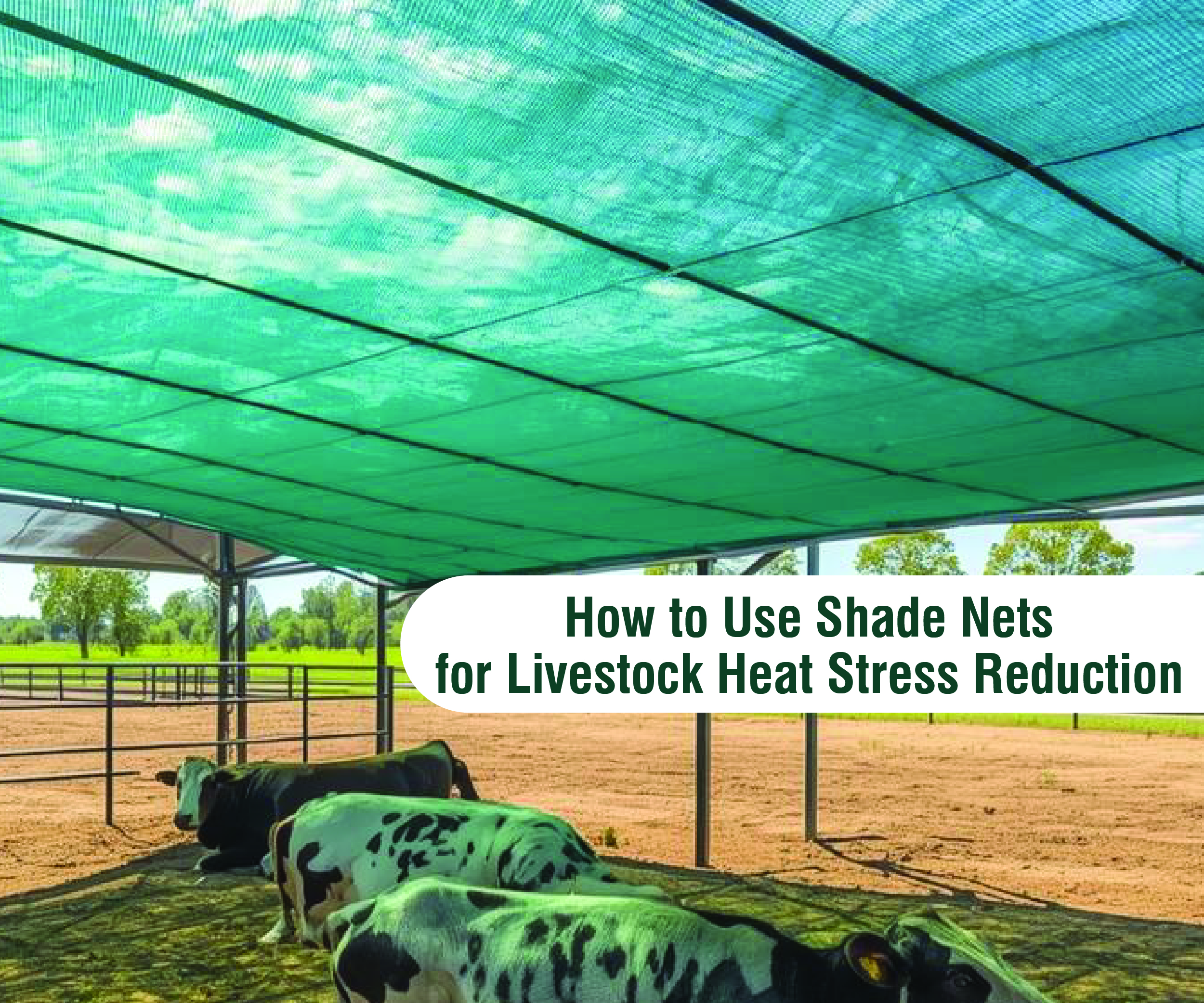
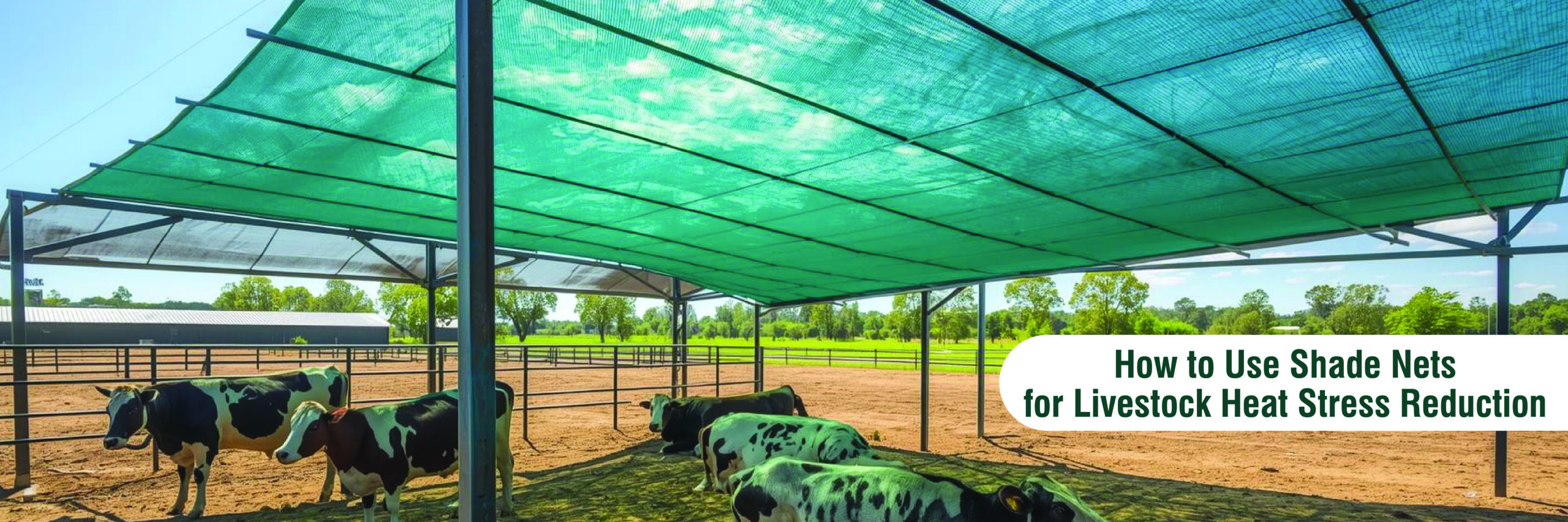
Heat stress occurs when livestock—including cattle, poultry, and sheep—can no longer dissipate enough heat to maintain a stable core body temperature. This condition is a significant threat to farm productivity, leading to:

  • Cattle: Reduced milk production, lower conception rates, and decreased feed intake.

  • Poultry: Lowered egg production, poor shell quality, and increased mortality.

  • Sheep: Decreased wool quality and slower weight gain.

HDPE (High-Density Polyethylene) Shade Nets offer an essential, cost-effective, and passive solution to mitigate this problem. By dramatically reducing the solar radiation that causes direct heating, these nets provide immediate and measurable relief, ensuring the health and productivity of your animals.

This guide details the best practices for using shade nets to effectively manage heat stress in your livestock.


I. The Mechanism of Thermal Relief

Shade nets provide relief by modifying the physical environment around the animals, addressing both radiant heat and ambient temperature.

1. Blocking Radiant Solar Energy

  • The Problem: Animals absorb large amounts of heat directly from the sun (radiant heat). Dark-colored hides absorb this heat faster.

  • The Solution: Shade nets, particularly those with high density (80% to 90% shade), intercept the vast majority of solar radiation. This prevents the primary source of direct heat gain, allowing the animals’ natural cooling mechanisms to work effectively.

2. Lowering Ambient Temperature

  • Cooling Effect: By blocking the sun, the net prevents the ground, pen walls, and air beneath it from heating up excessively. This can lower the local air temperature by $5^circ C$ to $10^circ C$ ($9^circ F$ to $18^circ F$) during peak heat hours.

  • Reduced Ground Temperature: This is critical for animals like chickens or pigs, who often rest on the ground. A cooler surface aids conductive heat loss from the animal’s body.

3. Providing a Windbreak

  • Airflow Management: While the area should remain open for ventilation, a properly positioned shade net (especially on the western or southern exposure during peak sun hours) can also help temper high, hot winds, reducing dehydration.


II. Best Practices for Installation and Structure

The effectiveness of shade for livestock is highly dependent on structure design and net selection.

1. Choosing the Right Net Density

  • Prioritize Max Coverage: For livestock, the primary goal is maximum heat blockage and UV protection. Choose a shade net with a high density, typically $80%$ to $90%$ shade percentage.

  • UV Protection: High density also maximizes the net’s UV stabilization, protecting the animals from harmful UV radiation that can affect eyes and skin.

2. Structure Height and Orientation

  • Maintain Height: The shade structure must be tall enough to allow hot air to escape and be replaced by cooler air. A height of 10 to 14 feet (3 to 4.5 meters) is often recommended, especially for cattle.

  • Orientation: Position the shade structure or shade net panels to provide maximum coverage during the hottest part of the day, which is usually mid-morning to mid-afternoon (10:00 AM to 4:00 PM). In the Northern Hemisphere, this means positioning the shade to the south and west of the resting area.

3. Location and Ground Management

  • Avoid Paved Areas: Never shade paved or concrete areas alone. These materials absorb and re-radiate massive amounts of heat.

  • Use Grass/Dirt: Position the shade over a dry, well-drained area like grass or packed dirt. The ground under the shade should be kept clean to prevent the buildup of moisture and heat.


III. Specific Application by Livestock Type

1. Dairy and Beef Cattle

  • Free-Stall & Feedlots: Shade nets are crucial over feeding troughs to encourage continuous feed intake and over holding pens and resting areas to promote rumination and milk synthesis.

  • Water Troughs: Ensure water troughs are also shaded. Cattle will drink more frequently and consume cooler water, which aids internal cooling.

2. Poultry

  • Side Wall Protection: For open-sided poultry houses, dense shade nets ($75%$ to $80%$) should be deployed on the side walls facing the morning and afternoon sun. This stops direct sun from entering the interior.

  • Roof Overhang: A shade net placed a few feet above the metal roof of the coop can dramatically reduce the heat transferred down into the poultry house.

3. Sheep and Goats

  • Shearing: Shade is particularly important immediately after shearing, as the animals are more vulnerable to sun exposure.

  • Maternity Pens: Shade should be prioritized over maternity and nursing pens, as heat stress affects both the mother and the newborn’s survival rate.


IV. Conclusion: A Welfare and Profit Priority

Shade nets are an indispensable tool for farmers committed to both animal welfare and economic viability. By providing a reliable, passive barrier against intense solar radiation, these nets effectively prevent heat stress, ensuring that your livestock remain comfortable, healthy, and productive even during the hottest parts of the year. Investing in proper shade is investing directly in the profitability and sustainability of your farm.

Green Thumb DIY: Step-by-Step Shade Net Setup for Home Gardeners

Green Thumb DIY: Step-by-Step Shade Net Setup for Home Gardeners

Introduction: Building Your Backyard Sanctuary

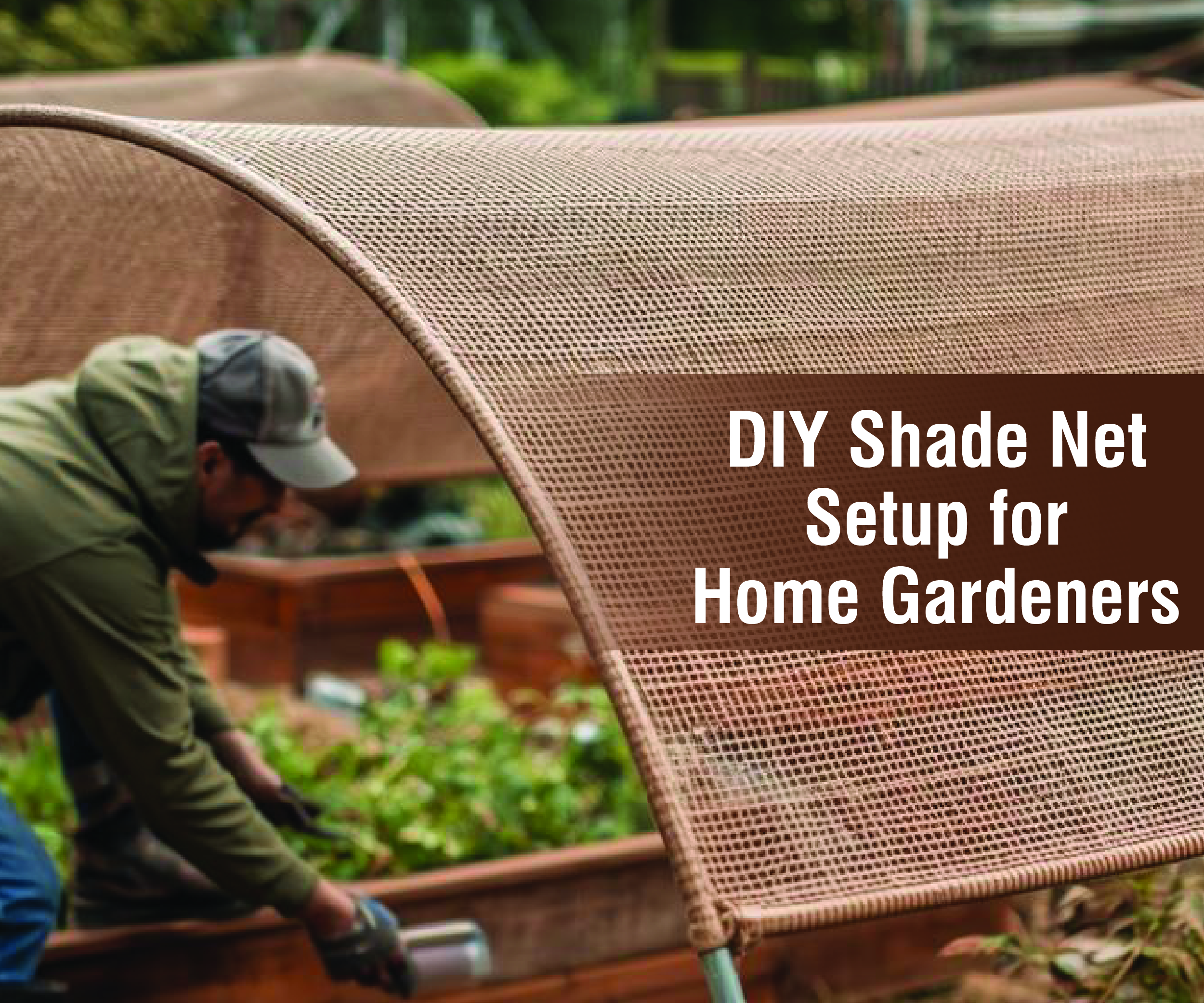
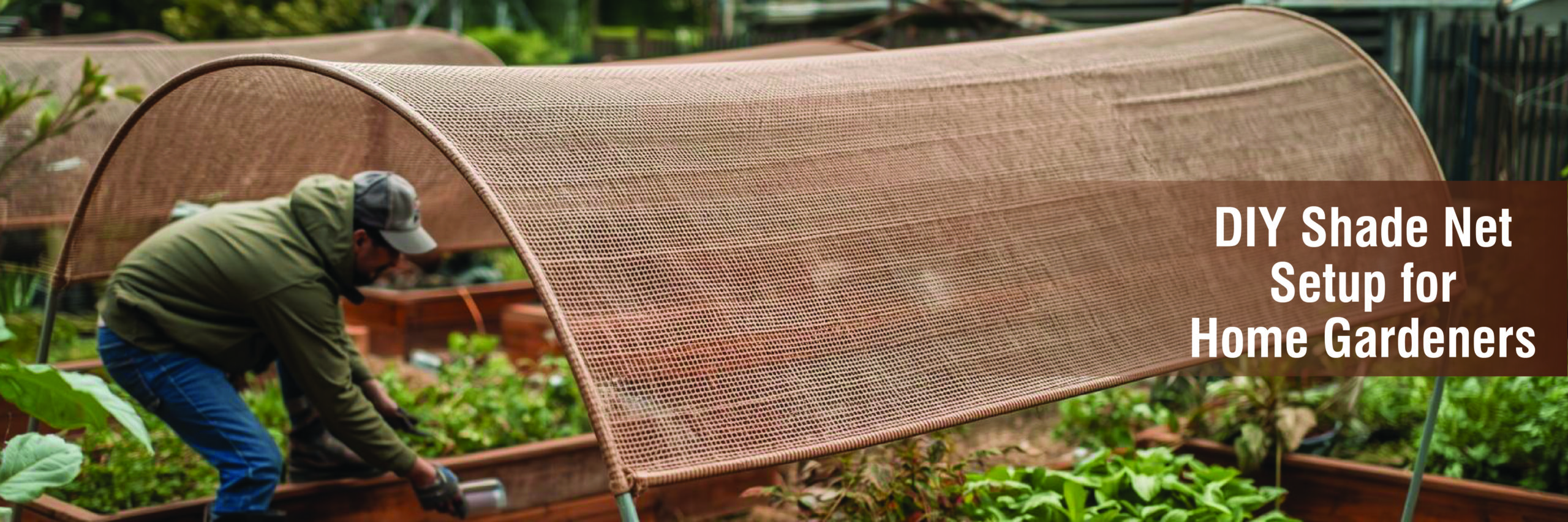
A shade net is the ultimate tool for managing intense summer heat and maximizing the health of your home garden, raised beds, or patio containers. You don’t need expensive pre-built structures; a simple, effective DIY shade net setup can be constructed quickly and affordably using common household or hardware store materials.

This guide provides a step-by-step plan for building a versatile, well-ventilated shade structure that protects your plants from harsh sunlight while ensuring they get the light they need to thrive.


Phase 1: Planning and Materials

Before you start building, decide on your structure and gather your materials.

1. Choose Your Structure Type

  • Hoop House (Best for Raised Beds/Rows): Uses flexible materials (like PVC pipe) bent into arcs. Offers good height and excellent wind resistance due to the curved shape.

  • Four-Post Frame (Best for Patios/Pots): Uses four vertical posts connected by a horizontal frame. Simple to build and offers clear overhead space.

2. Materials Checklist (For a 4-Post Frame)

Component Material Notes
Shade Net HDPE Shade Net 35% to 50% density is ideal for most home vegetables and ornamentals.
Vertical Posts (4) PVC pipe (1-inch diameter) or Treated Wood (2×2 inch) PVC is cheaper and lighter; wood is more durable.
Horizontal Frame Connectors/Corner Pieces for PVC, or wood screws/metal brackets for wood Used to create the top perimeter frame.
Anchoring Rebar/Stakes (for PVC posts) or Post Anchors (for wood) To secure the posts into the ground or containers.
Securing Net UV-stabilized clips, plastic zip ties, or bungees Essential for attaching the net to the frame securely.

3. Measure and Cut

Measure the length (L), width (W), and desired height (H) of the area you want to cover. Remember to cut the net material with an extra 1-2 feet of allowance on all sides to allow for wrapping and tensioning.


Phase 2: Building the Support Frame

A strong frame is essential to keep the net taut and prevent wind damage.

Step 4: Set the Posts

  1. For Wood/Permanent Frame: Dig holes about 1 foot deep at each of the four corners. Place the posts and use gravel or concrete to secure them firmly, ensuring they are vertical using a level.

  2. For PVC/Temporary Frame: Hammer metal stakes (rebar sections) 6 inches into the ground at each corner. Slide the PVC posts over the stakes for easy, sturdy removal.

Step 5: Assemble the Top Frame

  1. Wood Frame: Secure the horizontal wooden pieces to the top of the posts using screws and metal brackets. Ensure the frame is level and square.

  2. PVC Frame: Use 90-degree elbow connectors and T-connectors to join the top pieces of PVC pipe, creating a rectangular frame. PVC cement can be used for a permanent bond.

Step 6: Adding Support Wires (Optional but Recommended)

  • For spans longer than 6 feet, run strong wire or rope across the center of the frame (parallel to the long sides) to prevent the net from sagging under weight (like heavy rain).


Phase 3: Net Installation and Tensioning

Proper tensioning is the key to longevity and effectiveness.

Step 7: Lay Out the Net

  1. Drape Carefully: Gently lift the shade net and place it over the finished frame. Ensure the net is centered with the excess material hanging evenly on all sides.

  2. Anchor One Side: Choose one long side of the frame as your anchor. Fold the excess net material over the top rail and secure it tightly using zip ties or clips every 1 foot.

Step 8: Applying Tension

  1. Pull Taut: Move to the opposite long side. This requires effort! Pull the net firmly across the frame to remove all wrinkles and slack. The net should be pulled taut like a drum skin.

  2. Secure Under Tension: While maintaining tension, secure the net to the opposite rail using more zip ties, clips, or bungees.

Step 9: Securing the Ends and Base

  1. Tidy the Ends: Pull the net taut on the short ends of the frame and secure them. Any excess material can be rolled up and secured with ties to prevent wind flapping.

  2. Ground Anchor: Secure the bottom edge of the net to the ground or the base of your raised bed using heavy staples, bricks, or by attaching it to a base cable. This prevents wind from lifting the net and stops pests from crawling underneath.


Phase 4: Optimization Tips

1. Maximize Ventilation

  • Keep Sides Open: Do not seal the sides of your shade structure unless absolutely necessary for pest control. Keeping the sides open allows for cross-breeze, which prevents heat buildup and reduces the risk of fungal disease.

  • Ensure Sufficient Height: The 6 to 8-foot height is crucial, as it allows hot air that rises from the plants to escape and provides a cool air buffer.

2. Seasonal Adjustment

  • Monitoring Light: If the weather turns cloudy and your plants start to look pale or “stretched,” temporarily remove or roll up one side of the net during the cooler parts of the day.

  • Winter Storage: Before the frost arrives, remove the net, clean it, let it dry completely, and store it in a clean, dark area to maximize its lifespan for the next growing season.

Top Mistakes Farmers Make with Shade Nets and How to Avoid Them

Top Mistakes Farmers Make with Shade Nets and How to Avoid Them

Introduction: The Fine Line Between Protection and Failure

Shade nets are one of the most powerful tools in modern agriculture, capable of boosting yields, conserving water, and extending the growing season. However, the benefits of a quality net can be instantly negated by common, easily avoidable mistakes during planning, selection, and installation.

These errors often lead to premature net failure, structural collapse, and, critically, crop damage from heat or insufficient light. Learning from these pitfalls is the fastest way to ensure your shade net investment provides maximum return and protection.

Here are the top mistakes farmers commonly make with shade nets and expert advice on how to prevent them.


I. Mistakes in Planning and Selection

The most costly errors are often made before the net is even installed.

1. Choosing the Wrong Density (Shade Percentage)

  • The Mistake: Using a net that is too dense (e.g., $75%$ or $90%$) for sun-loving crops like tomatoes or bell peppers, or, conversely, using too light a net in extremely hot climates.

  • The Result: Too much shade causes etiolation (long, weak, ‘leggy’ stems) and flower drop due to insufficient energy for reproduction. Too little shade leads to heat stress and sunscald.

  • The Fix: Research your crop’s physiological needs. For most fruiting vegetables, target a light-to-moderate shade net (typically $35%$ to $50%$). Use dense nets only for nurseries, orchids, or leafy greens.

2. Prioritizing Price Over Durability (Ignoring GSM and UV)

  • The Mistake: Purchasing the cheapest net available without checking the GSM (Grams per Square Meter) and the UV stabilization percentage.

  • The Result: Cheap nets, often lacking sufficient UV protection, become brittle and degrade rapidly, tearing after only one or two seasons. This forces frequent, expensive replacement and labor costs.

  • The Fix: Treat the net as a long-term asset. Invest in nets with a high GSM (over $110 text{ GSM}$) and a guaranteed UV stabilization of $3%$ to $5%$. This ensures a lifespan of 5+ years, making the net cheaper in the long run.

3. Incorrectly Assessing Dimensions

  • The Mistake: Cutting the shade net exactly to the size of the structure.

  • The Result: There is no material left for securing and tensioning, leading to weak attachment points that easily tear away in the wind.

  • The Fix: Always allow for a 1 to 2-foot overhang on all sides beyond the structure’s frame. This extra material is necessary for wrapping around support cables and achieving proper tension.


II. Mistakes in Installation and Structure

Improper installation drastically shortens the net’s lifespan and compromises its function.

4. Failing to Achieve Drum-Tight Tension

  • The Mistake (Most Common Failure): Installing the net loosely, leaving slack and wrinkles.

  • The Result: A loose net flaps violently in the wind, leading to abrasion and material fatigue along all edges and attachment points. It also creates low spots where rainwater pools, leading to structural collapse.

  • The Fix: Use proper tensioning hardware (turnbuckles, wire tensioners, strong clips) and ensure the net is pulled drum-tight—as taut as a drum skin—across the entire span before securing the final side.

5. Neglecting the Support Structure’s Strength

  • The Mistake: Using weak, untreated wooden posts or lightweight poles that are not properly anchored.

  • The Result: The structure is unable to handle the combined load of the net, high winds, and heavy rain. Corner and perimeter posts often lean or collapse, causing the entire net to fail.

  • The Fix: Use galvanized steel (GI) pipes or thick, pressure-treated wooden posts. Anchor corner posts with concrete and use guy wires or bracing to counteract the tension pulling the posts inward.

6. Installing the Net Directly on the Plants

  • The Mistake: Simply draping the shade net directly over the crop rows or low hoops.

  • The Result: The net traps heat directly against the plant leaves, negating the cooling effect. It can also physically crush and damage foliage.

  • The Fix: Always install the net on a frame with sufficient height (ideally 6 to 10 feet) to allow for air circulation (ventilation) and create an adequate buffer zone between the net and the plants.


III. Mistakes in Maintenance and Care

Ignoring simple preventative steps accelerates the net’s demise.

7. Ignoring Small Tears and Holes

  • The Mistake: Thinking a small tear will remain a small tear.

  • The Result: Wind catches the edge of the small hole, rapidly expanding it into a massive, irreversible tear, often resulting in the loss of the entire net section.

  • The Fix: Perform weekly visual inspections. Immediately patch small tears using UV-stabilized repair tape or a strong, UV-resistant thread. Never use standard, non-UV-resistant duct tape.

8. Failure to Clean the Net

  • The Mistake: Allowing dust, leaves, and bird droppings to accumulate on the net surface.

  • The Result: The accumulated debris adds significant weight to the net (increasing load stress) and blocks light irregularly, leading to inconsistent shade and reduced overall photosynthesis.

  • The Fix: Annually, or after heavy dust events, use a soft brush or a low-pressure hose to gently clean the net and restore its light-filtering capability.

Green Blooms: How Shade Nets Support Sustainable Floriculture Practices

Green Blooms: How Shade Nets Support Sustainable Floriculture Practices

Introduction: The Sustainability Imperative in Flower Farming

Floriculture—the cultivation of flowers—is often criticized for its high consumption of water, energy, and chemical inputs. As consumer demand for eco-friendly products grows, flower farmers are under increasing pressure to adopt sustainable practices that protect the environment while maintaining the premium quality that high-value flowers require.

HDPE (High-Density Polyethylene) Shade Nets have emerged as a critical tool in this transition. They are a passive, low-energy solution that scientifically modifies the growing environment, directly addressing the core resource and input challenges of flower farming.

This guide explores the specific ways shade nets enable and enhance sustainable floriculture, ensuring that your vibrant blooms are also environmentally responsible.


I. Resource Efficiency: Conserving Water and Energy

Sustainability starts with minimizing resource consumption, and shade nets deliver measurable savings in water and power.

1. Drastic Water Conservation

  • Reducing Transpiration: Shade nets intercept a portion of the sun’s energy, lowering the ambient air temperature around the flowers. This reduction in heat stress causes the plants to lose significantly less water through transpiration (evaporation from leaves).

  • Lower Evaporation: The net also shields the soil and growing medium from direct sun and wind, dramatically slowing the rate of water evaporation.

  • Sustainable Impact: For high-water-demand flowers like Roses or Gerberas, this leads to water savings of 20% to 40%, making irrigation more efficient and protecting local water sources.

2. Passive Energy Management

  • Cooling without Power: In contrast to automated cooling systems (like evaporative pads or large fans), shade nets provide effective temperature reduction ($5^circ C$ to $10^circ C$) using zero electricity.

  • Reduced Load: Even when fans are necessary, the net reduces the initial temperature of the air, significantly decreasing the operational load and energy consumption of the cooling system.


II. Reduced Environmental Load: Lowering Chemical Inputs

The quality of high-value cut flowers is often maintained through high use of chemical inputs. Shade nets offer a pathway to reduce this reliance.

1. Natural Disease Prevention

  • Humidity Control: Shade nets, when properly installed with good ventilation, help stabilize the microclimate. They prevent the extreme temperature fluctuations and excessive humidity buildup that often trigger common fungal diseases in floriculture, such as Powdery Mildew on roses.

  • Reduced Fungicide Use: Healthier plants grown in a stable environment require fewer applications of chemical fungicides, leading to lower operating costs and a reduction in chemical run-off into the soil and waterways.

2. Pest Management Synergy

  • Physical Barrier: While not a dedicated insect net, a high-density shade net acts as a barrier against larger pests like birds and rodents that damage high-value buds and flowers.

  • Integrated Pest Management (IPM): The net supports IPM strategies by creating an environment where plants are less stressed and therefore more naturally resistant to insect attacks.


III. Enhancing Crop Quality and Economic Sustainability

For a practice to be truly sustainable, it must be economically viable. Shade nets achieve this by improving the quality of the final product.

1. Superior Bloom and Stem Quality

  • Color Saturation: Direct, intense sunlight can bleach or fade the vibrant colors of flowers. The diffused light provided by the shade net enhances pigment development, resulting in deeper, richer, and more uniform colors—a key factor in the market appeal of flowers like Carnations and Orchids.

  • Stronger Stems: By preventing heat stress, the net allows the plant to put energy into developing strong, long stems, which are a non-negotiable quality requirement for the premium cut-flower market.

2. Reduced Waste and Extended Seasons

  • Lower Culls: Reduced incidence of sunscald, heat-induced damage, and disease means fewer flowers are culled (rejected) after harvest, leading to less waste and a higher percentage of marketable product.

  • Year-Round Production: The ability of the shade net to moderate temperature allows farmers in many regions to extend the growing season into the hot summer months, ensuring a steady, reliable supply that strengthens market relationships.


IV. Conclusion: Blooming Responsibly

Shade nets are a testament to the fact that high quality and sustainability can—and must—coexist in modern floriculture. By facilitating substantial savings in water and energy, reducing the necessity for chemical intervention, and simultaneously enhancing the marketable quality of the bloom, shade nets provide a powerful, low-impact tool for cultivating flowers responsibly. Investing in shade netting is investing in the ecological and economic future of flower farming.