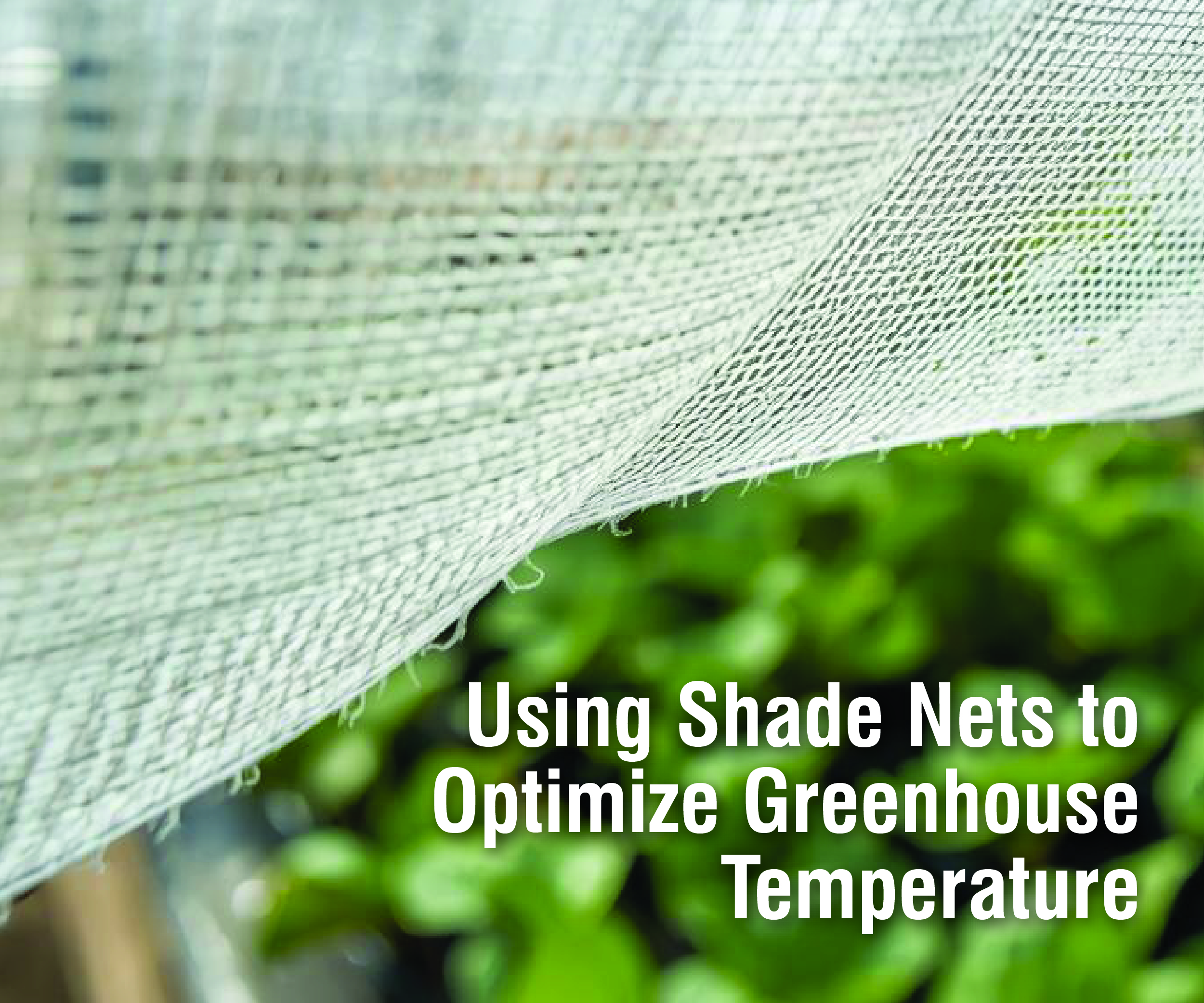
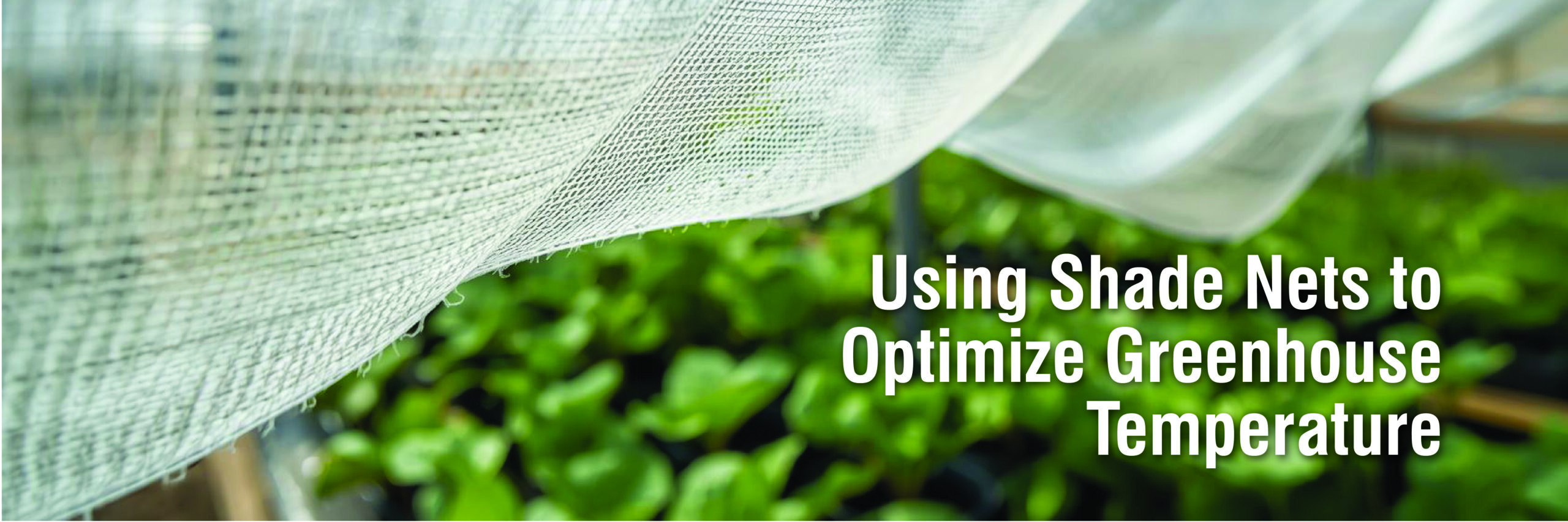
Temperature Tamer: Using Shade Nets to Optimize Greenhouse Temperature

Temperature Tamer: Using Shade Nets to Optimize Greenhouse Temperature
Introduction: The Greenhouse Paradox

Greenhouses are designed to trap solar energy, creating a warm environment ideal for cultivation, especially in cooler climates. However, in regions with intense sunlight or during hot summer months, this very function becomes a liability. The trapped heat can rapidly cause temperatures to soar beyond $40^circ C$ ($104^circ F$), leading to heat stress, flower abortion, and complete crop failure.

HDPE (High-Density Polyethylene) Shade Nets are the most effective and cost-efficient external solution for managing this heat risk. They serve as a sophisticated sun filter, reducing the incoming solar load to maintain the internal greenhouse temperature within the optimal range for plant growth.

This guide explores the scientific principles and practical techniques for using shade nets to optimize the temperature inside your greenhouse.


I. The Scientific Role of External Shading

Shade nets manage greenhouse temperature by addressing the two main drivers of heat buildup: solar radiation and heat retention.

1. Blocking Solar Radiation (The Heat Source)

  • Radiation Reduction: An externally installed shade net, typically in the $30%$ to $50%$ range for most greenhouses, acts as the first line of defense. It intercepts a significant percentage of solar radiation before it passes through the plastic or glass roof.

  • Preventing Surface Heating: This radiation blockage prevents the internal surfaces (soil, benches, walls) from heating up excessively. These surfaces are the primary source of radiant heat that raises the air temperature inside the greenhouse.

  • Cooling Effect: By blocking the radiant energy, the shade net can effectively lower the internal ambient temperature by $5^circ C$ to $10^circ C$ compared to an unshaded greenhouse, bringing the environment back into the plant’s metabolic comfort zone.

2. Diffusing Light Quality

  • Stress Reduction: The net converts harsh, direct sunlight into diffused light. This soft light spreads more evenly across the leaves, reducing localized temperature spikes (hot spots) on the leaf surface.

  • Improved Photosynthesis: This diffused light is often utilized more efficiently by the lower leaves, boosting overall plant productivity without causing the stress associated with direct, intense light.


II. Key Techniques for Temperature Optimization

The effectiveness of a shade net depends on the material chosen and its method of deployment.

1. Choosing the Right Density

  • The Crop is Key: The density must be matched to the specific crop. A $30%$ net might be ideal for heat-sensitive fruiting crops like bell peppers in a moderate climate, while a $50%$ net might be necessary for cucumbers or propagation areas in a tropical climate. Too high a density ($75%+$) will cause ‘legginess’ (etiolation) and severely reduce fruiting.

  • The $5^circ C$ Rule: Start with the lightest shade net that achieves the required temperature reduction. For every 10% increase in shade density, expect a further marginal drop in temperature.

2. External vs. Internal Placement

Placement Temperature Control Benefit Drawbacks
External (Recommended) Superior. Blocks heat before it enters the structure. Better airflow keeps the net itself cooler. Requires a stronger frame or cable system for installation.
Internal Moderate. Trapped heat is reradiated inside, offering less overall cooling effect. Easier to install and remove. Can be combined with thermal screens for energy saving at night.

3. The Retractable System

  • Maximum Flexibility: The ideal solution for temperature optimization is a retractable external shade system (often motorized or pulley-operated).

  • Dynamic Control: This allows the net to be deployed only when needed (e.g., between 10 AM and 4 PM) and retracted on cloudy days or evenings. This maximizes natural light when temperatures are safe and provides cooling precisely when heat stress is highest.


III. Shade Net Integration with Other Systems

For complete temperature mastery, the shade net must work with the greenhouse’s existing infrastructure.

1. Ventilation Synergy

  • Heat Escape: No shade net can work effectively without proper ventilation. Ensure the greenhouse vents (roof and sides) are open when the net is deployed. The net keeps the air coming in cooler, and the open vents allow the hot air that still rises to escape.

  • Fan Systems: Use exhaust fans to actively pull hot air out, creating negative pressure. The shade net reduces the initial temperature of the incoming air, making the fan system much more efficient.

2. Water Management

  • Reduced Stress: Since the shade net reduces heat stress, the plants lose less water through transpiration, improving the efficiency of the drip irrigation system and reducing the need for fogging or misting systems.


IV. Conclusion

Shade nets are an indispensable tool for turning a seasonally challenging greenhouse into a year-round productive asset. By scientifically managing solar radiation, they lower the ambient temperature, reduce plant stress, and create the stable, optimal environment required for successful cultivation. Investing in a quality, correctly deployed shade net ensures that your greenhouse stays in the profit zone, even when the sun is at its most intense.


Frequently Asked Questions (FAQ)

Q1: Will a shade net reduce the need for cooling systems?

A: Yes. By significantly lowering the initial temperature, a shade net reduces the cooling load required by fans, misting, or pad systems. This leads to reduced energy consumption and lower operational costs for the cooling equipment.

Q2: Does the color of the shade net matter for temperature optimization?

A: Yes. White or Pearl/Silver nets are often superior for temperature control because they reflect more solar energy away from the structure, leading to a cooler overall effect than black nets, which absorb the heat.

Q3: What are the risks of using a fixed (non-retractable) shade net?

A: The main risk is insufficient light on cloudy days or during the winter. Using a fixed net year-round can lead to etiolation (stretching, weak stems) and poor flowering when light levels are naturally low, potentially harming the crop.

Q4: Can a shade net alone solve my high temperature problems?

A: No. While highly effective, a shade net must be used in conjunction with adequate ventilation. It reduces the amount of heat entering, but ventilation (open vents, fans) is required to remove the heat that is still generated and to ensure fresh air circulation.
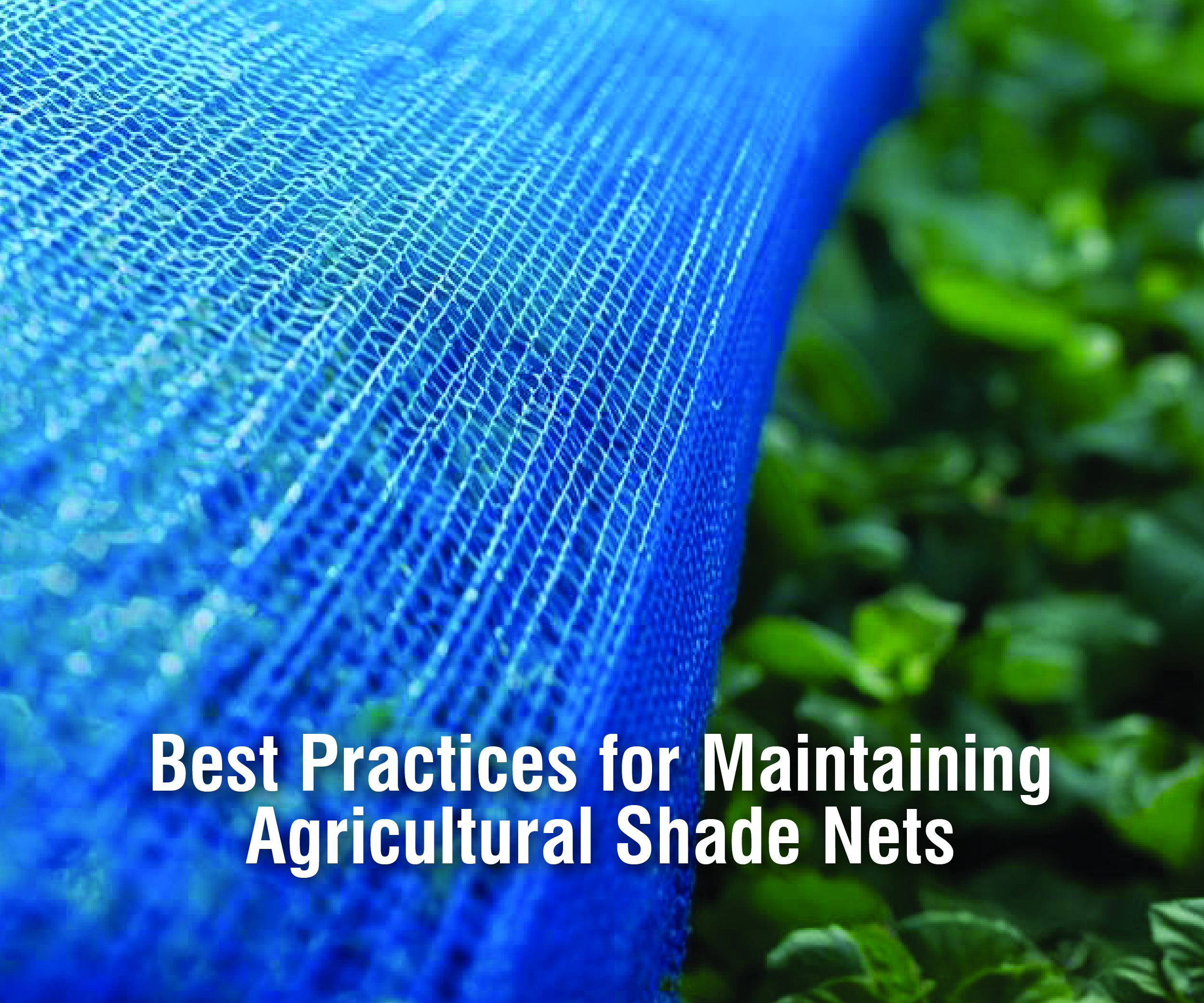
Protecting Your Investment: Best Practices for Maintaining Agricultural Shade Nets

Protecting Your Investment: Best Practices for Maintaining Agricultural Shade Nets

Introduction: Durability Through Discipline

A high-quality HDPE shade net is built to last 5 to 8 years, but its actual lifespan depends heavily on one crucial factor: maintenance. While these nets are inherently durable and UV-stabilized, continuous exposure to harsh weather, wind stress, and accumulation of debris can drastically shorten their life and compromise their protective function.

Effective maintenance is not just about fixing damage; it is about taking proactive steps to ensure the net remains taut, clean, and structurally sound throughout the seasons. This translates directly into consistent crop protection, lower long-term costs, and maximum return on investment (ROI).

This guide provides a step-by-step checklist of best practices for maintaining your agricultural shade net and its support structure.


I. Seasonal and Routine Inspection

Regular checks are the first line of defense against costly failures.

1. Post-Weather Inspection (Most Crucial Step)

  • After Every Major Storm: Immediately after high winds, heavy rain, or hail, inspect the entire structure. Focus on corner posts, perimeter wires, and tension points.

  • Check for Sagging: Look for areas where the net has stretched or sagged, especially in the center. Sagging collects water, which can collapse the entire structure.

  • Inspect Anchors: Verify that ground anchors, guy wires, and turnbuckles are still firmly secured and have not pulled out of the ground or foundation.

2. Tension Monitoring (Quarterly)

  • Tautness is Key: The net must remain drum-tight. A loose net flaps, leading to rapid wear and tear along the edges and attachment points.

  • Use Tensioners: Regularly tighten turnbuckles and tensioning hardware on the support wires to remove any slack caused by material stretching or settling of the structure.

3. Attachment Point Check (Monthly)

  • Net-to-Wire Integrity: Ensure that all clips, grommets, and lacing ropes securing the net to the frame wires are intact and holding firmly. Replace any broken or brittle clips immediately.

  • Prevent Abrasion: Verify that the net is not directly rubbing against sharp edges of metal poles, wire ends, or screws. Use protective padding or tape on all potential abrasion points.


II. Cleaning and Damage Control

Keeping the net clean and repairing minor damage promptly prevents long-term deterioration.

1. Routine Cleaning (Annually or Biannually)

  • Remove Debris: Use a long, soft brush or a low-pressure hose to gently remove accumulated dust, leaves, bird droppings, and debris. Dirt reduces the shade net’s effectiveness by blocking light and adding unnecessary weight.

  • Avoid Harsh Chemicals: Never use abrasive cleaners or harsh chemicals, which can strip the net of its vital UV stabilizers. Use only water or mild, pH-neutral soap.

2. Immediate Damage Repair

  • Patch Small Holes: Do not ignore small tears. They can expand rapidly due to wind stress.

  • Repair Method: Use UV-stabilized, heavy-duty repair tape specifically designed for shade nets, or stitch the tear using a strong, UV-resistant thread in a lock-stitch pattern to prevent further unraveling.

  • Prevent Running: If the net is caught on something, quickly secure the tear edges with tape or thread to stop the damage from “running” across the net.


III. Structural Longevity and Off-Season Care

Maintenance extends to the entire support system and the net’s off-season storage.

1. Post and Cable Maintenance

  • Rust and Corrosion: If using GI (Galvanized Iron) or steel posts, regularly inspect them for rust, particularly at ground level and where the net hardware attaches. Apply rust-proofing paint as needed.

  • Wooden Posts: If using wooden posts, check for termite damage or rot, and reinforce or replace compromised supports before the next growing season.

2. Seasonal Removal (Optional)

  • If Netting is Seasonal: If your structure is temporary or the net is only needed during summer, carefully remove the net before winter.

  • Clean and Dry: Ensure the net is completely clean and dry before folding. Storing a damp net encourages mold and mildew.

  • Store Safely: Fold the net neatly and store it in a dark, dry, pest-free area, away from direct sunlight, which can cause premature degradation even when the net is folded.


IV. Conclusion: The Maintenance Advantage

Maintenance of agricultural shade nets is not a chore; it is a critical part of maximizing your farm’s efficiency. By implementing a proactive, consistent maintenance schedule—focusing on tension, cleanliness, and immediate repair—you will ensure your shade nets deliver their promised lifespan of high performance, year after year, securing your crops and your profitability.


Frequently Asked Questions (FAQ)

Q1: How often should I check the net tension?

A: You should perform a quick visual tension check weekly during the growing season. A comprehensive re-tensioning and hardware check should be done quarterly or immediately after any major weather event.

Q2: Should I remove the net during heavy snowfall?

A: Yes, absolutely. If you live in an area prone to heavy snowfall, the net must be removed before winter. The weight of snow can easily exceed the load capacity of the shade structure and cause catastrophic collapse.

Q3: Can a small tear be fixed with duct tape?

A: No. Standard duct tape is not UV stable and will degrade and fall off rapidly in the sun, leaving a sticky residue. Always use specialized, UV-stabilized shade net repair tape or a UV-resistant thread for durable, lasting repairs.

Q4: How do I prevent squirrels or rodents from chewing the net?

A: The most effective method is to ensure the bottom edge of the net is securely anchored, either by burying it in a shallow trench or fastening it tightly to a rigid baseboard, eliminating easy entry points for ground-dwelling pests.

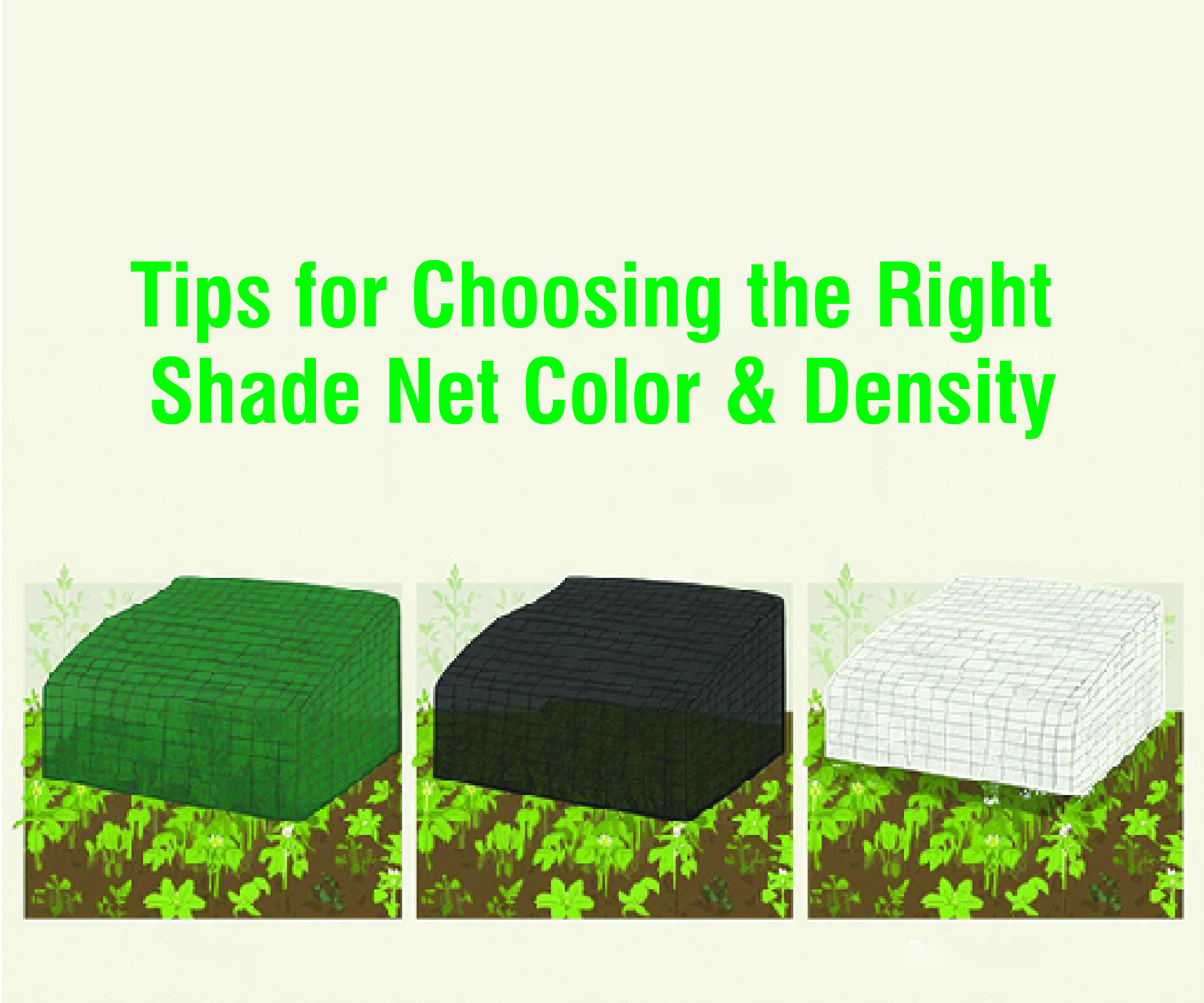
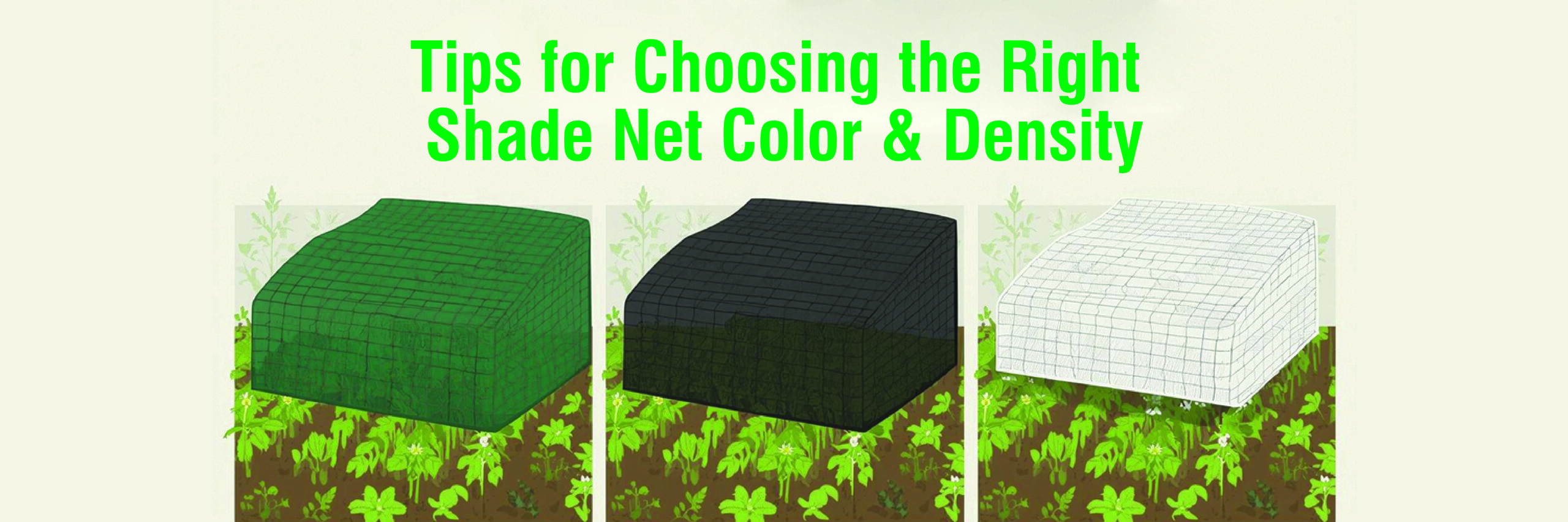
The Science of Shade: Tips for Choosing the Right Shade Net Color and Density

The Science of Shade: Tips for Choosing the Right Shade Net Color and Density

Introduction: Color vs. Quantity


Selecting a shade net involves more than just picking a color that looks good. The right choice requires a scientific understanding of how light impacts plant physiology and microclimate management. The two most critical decisions when purchasing a shade net are the Density (Shade Percentage) and the Color.

Choosing incorrectly can lead to weak, “leggy” plants (too dense) or sun-scorched, stressed plants (too light). Understanding the role of each variable is essential for creating the perfect growing environment for your crops, ensuring maximum yield and quality.

This guide provides clear, practical tips on how to match the right color and density to your specific agricultural or commercial needs.


I. Choosing the Right Density (Shade Percentage)


Density, or shade percentage, determines the quantity of light that is blocked. This is the most crucial decision for crop health.


1. Understand Your Plant’s Light Needs


Plants are broadly categorized by the amount of sunlight they require:

  • High Light (Full Sun): Most fruiting vegetables (Tomatoes, Peppers), Sugarcane, and robust flowers. Need maximum light penetration.

  • Medium Light (Partial Sun): Leafy greens (Lettuce, Spinach), Cabbage, and most general nurseries. Need moderate filtering, especially in high heat.

  • Low Light (Shade-Loving): Orchids, Ferns, Medicinal Herbs, and delicate shade-house seedlings. Require heavy filtering and low light intensity.


2. Match Density to the Crop Type


Crop/Application Recommended Shade Net Density Rationale
Fruiting Vegetables (Tomato, Chili, Cucumber) 30% – 50% Reduces heat stress and sunscald without severely limiting photosynthesis required for fruiting.
Leafy Greens (Spinach, Coriander) & Nurseries 50% – 65% Essential for preventing bolting and leaf scorching; provides the soft, diffused light needed for tender foliage.
Orchids, Ferns, & Shade-Loving Ornamentals 75% – 90% Mimics a dense canopy environment, providing high shade intensity for plants adapted to low-light conditions.
Parking Lots / Livestock Shelters 80% – 90% The goal is maximum UV blockage and cooling; light requirements are irrelevant.


3. Consider Your Climate


In regions with extreme, persistent heat and high light intensity (like arid deserts), you may need to choose a shade net at the higher end of the recommended percentage range to prevent plant shutdown and heat stress.


II. Choosing the Right Color (The Quality Control)


The color of the net dictates the quality of light that passes through. Different colors can affect plant morphology, development, and temperature.


1. Black Shade Nets (The Standard)


  • Primary Effect: Reduces light intensity and provides maximum cooling by absorbing solar radiation.

  • Pros: Most durable, highest UV resistance, most cost-effective, and provides the best overall cooling effect beneath the net.

  • Cons: Can create “deeper” shadows and does not scatter light as effectively as white nets.

  • Best For: Parking, livestock shelters, nurseries, and general vegetable farming where cost and high durability are priorities.


2. Green Shade Nets (The Aesthetic Choice)


  • Primary Effect: Filters light, letting mostly green light pass through, which plants tend to reflect.

  • Pros: Visually pleasing in a garden setting, often perceived as more natural. It is popular for floriculture and general horticulture.

  • Cons: Historically, some green dyes have reduced UV stability, though modern nets are generally reliable.

  • Best For: Home gardens, general horticulture, and plants where a natural aesthetic is desired.


3. White or Pearl/Silver Shade Nets (The Diffuser)


  • Primary Effect: Reflects a significant amount of solar radiation, resulting in high light diffusion and excellent temperature management.

  • Pros: The reflected light is scattered more evenly, which can lead to better light penetration into the canopy. Provides superior cooling in extremely hot climates compared to black nets.

  • Cons: Can be more expensive and may require more frequent cleaning to maintain reflection efficiency.

  • Best For: Extremely hot, arid regions where cooling is the priority, and for specialized high-value crops (like some flowers) that benefit from highly diffused light.


III. Tips for Making the Final Decision


Tip 1: Prioritize Density Over Color


The shade percentage is the most critical variable affecting photosynthesis and plant health. Focus on selecting the correct density first, then choose the color based on aesthetic preference, specific cooling needs, or budget.


Tip 2: Balance Cost and Durability (GSM)


Remember to pair your chosen density with the right GSM (Grams per Square Meter). For a permanent structure or high-wind area, choose a high GSM (e.g., $150 text{ GSM} +$) regardless of the density, as this dictates the net’s lifespan.


Tip 3: The Hardening-Off Strategy


For nurseries, it is common practice to use two different densities: use a $75%$ net for initial germination, then move seedlings to a $50%$ net for a period (hardening-off) before transplanting them to the open field.


Tip 4: Consult Local Experts


Always consult local agricultural extension services or experienced farmers in your area. They have empirical data on which shade net densities and colors perform best under specific local climatic conditions and for particular cash crops.

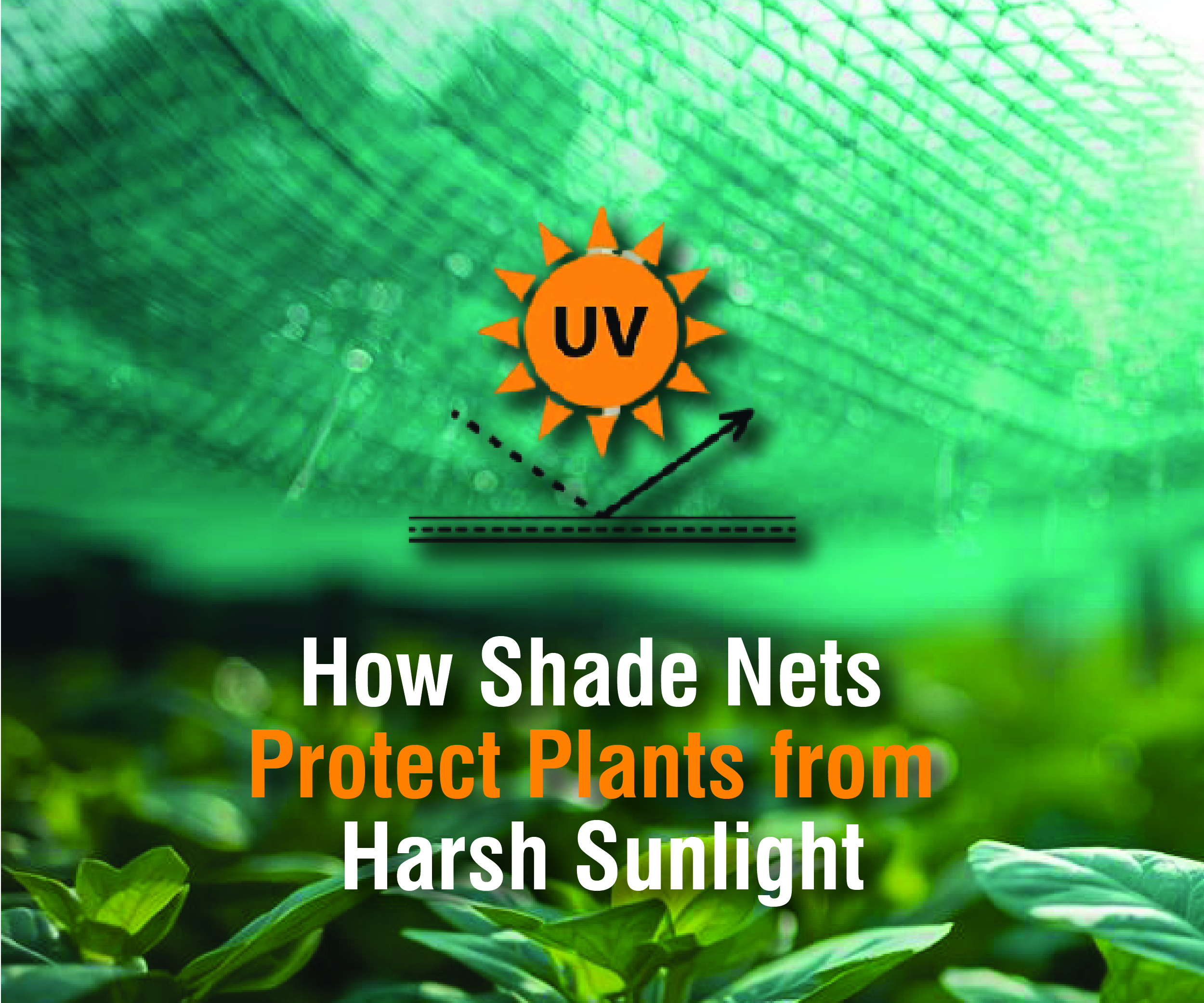
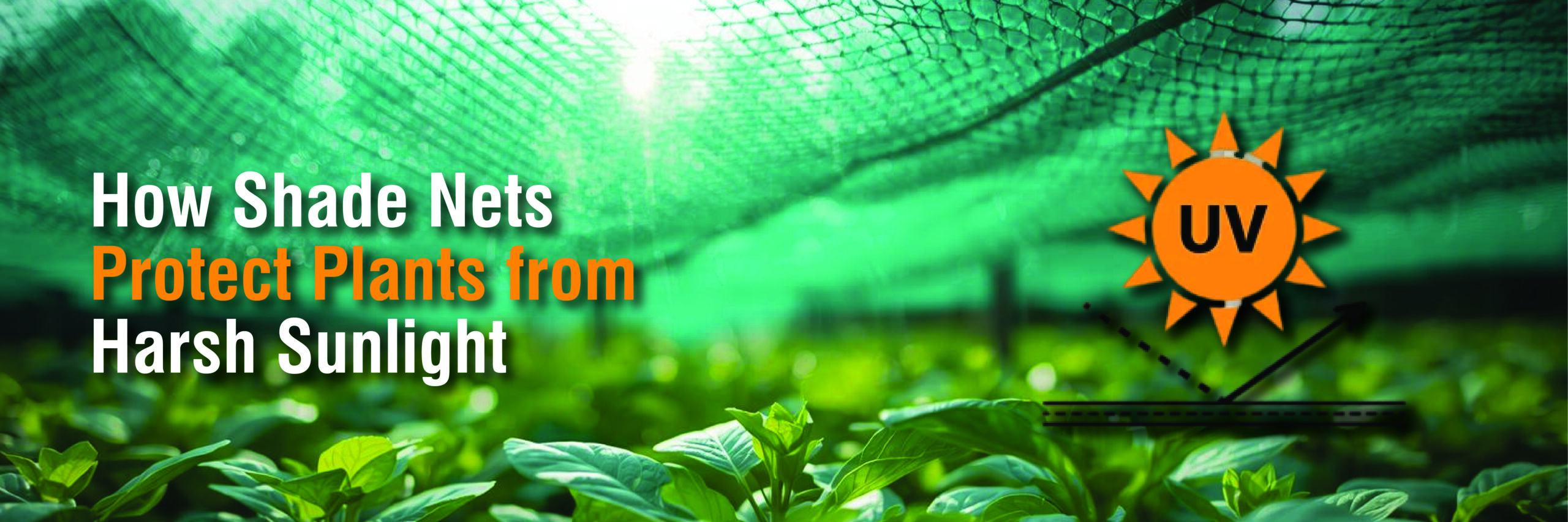
Shielding the Green: How Shade Nets Protect Plants from Harsh Sunlight

Shielding the Green: How Shade Nets Protect Plants from Harsh Sunlight

Introduction: The Double-Edged Sword of Sunlight

Sunlight is the lifeblood of every plant, providing the energy for photosynthesis. However, too much of a good thing can be catastrophic. In today’s climate, intense, unfiltered sunlight and accompanying heat waves pose a severe threat, leading to stress, dehydration, and reduced yields.

HDPE (High-Density Polyethylene) Shade Nets are the most effective and affordable solution farmers use to manage this risk. They don’t just block light; they scientifically modify the environment to create an optimal, stress-free microclimate where plants can dedicate maximum energy to growth and fruit production, rather than survival.

This guide delves into the precise mechanisms by which shade nets protect your valuable crops from the harsh realities of excessive solar radiation.


I. The Scientific Mechanism of Protection: Filtering and Diffusion

Shade nets protect plants by tackling the two main components of solar energy: intensity (quantity of light) and radiation (heat).

1. Reducing Light Intensity (The Quantity Control)

The most obvious function of a shade net is to reduce the amount of light reaching the plant. This is determined by the Shade Percentage (e.g., $35%$ or $50%$).

  • Preventing Photo-Oxidation (Sunscald): Intense solar energy can overwhelm a plant’s photosynthetic machinery. When light is too intense, the plant cannot process the energy fast enough, leading to the formation of damaging free radicals. This process, known as photo-oxidation, causes white or brown scorch marks on leaves and fruit. The shade net filters this intensity, keeping the light level within the plant’s safe metabolic range.

2. Diffusing Light Quality

This is perhaps the most beneficial aspect. The knitted or woven structure of the HDPE net does not just create a simple shadow; it scatters the light.

  • Uniform Penetration: Direct sunlight creates harsh shadows, leaving lower leaves unexposed and inefficient. Diffused light is scattered in multiple directions, allowing it to penetrate deeper into the plant canopy. This ensures that lower leaves contribute to photosynthesis, leading to more uniform growth, bushier plants, and higher overall yield.

  • Reduced Self-Shading: Better light distribution minimizes the problem of upper leaves shading the lower ones, maximizing the plant’s total energy production surface.


II. Mitigating Temperature and Heat Stress

High temperatures are often more damaging than the light itself, and shade nets directly address this thermal stress.

1. Lowering Ambient Air Temperature

  • Radiation Blockage: By blocking a significant percentage of solar radiation, the net reduces the amount of energy absorbed by the air and ground underneath. This can lower the temperature in the shade house by $5^circ C$ to $10^circ C$ during peak heat hours.

  • Reduced Transpiration: The cooling effect and wind reduction dramatically decrease the rate of transpiration (water loss through leaves). This allows the plant to conserve water and prevent wilting and dehydration, ensuring energy is spent on growth, not survival.

2. Protecting Key Reproductive Stages

  • Flower Drop Prevention: Many crops, particularly fruiting vegetables like tomatoes and capsicum, will abort (drop) their flowers when temperatures exceed a certain threshold (often $35^circ C$). The shade net maintains the temperature below this critical point, ensuring successful flower retention and fruit setting, which is vital for high yields.


III. Physical and Environmental Safeguards

Beyond light and heat, shade nets provide robust physical protection necessary for delicate plant structures.

1. Wind and Moisture Stress Reduction

  • Windbreak Effect: The mesh structure acts as a windbreak, reducing the air speed over the plants. High wind increases transpiration and can cause physical damage (scuffing, broken stems).

  • Water Conservation: By reducing both wind and heat, the net significantly lowers the rate of evaporation from the soil, leading to major water savings and stable soil moisture—a key factor in preventing stress-related diseases.

2. Protection from Weather Events

  • Impact Buffering: Shade nets buffer the force of heavy raindrops, preventing soil splash (which spreads disease) and physical damage to leaves. Denser nets also offer a degree of protection against small hailstones.

Secure Your Harvest: A Step-by-Step Guide to Installing HDPE Shade Nets

Secure Your Harvest: A Step-by-Step Guide to Installing HDPE Shade Nets

Introduction: Installation is the Foundation of Durability

The quality of your HDPE shade net (measured by its GSM and UV stabilization) is only half the equation; the other half is proper installation. A net, no matter how durable, will fail quickly if it is not installed correctly—especially if it sags, flaps, or is inadequately anchored.

This step-by-step guide is designed to walk small and medium-scale farmers through the professional installation of an HDPE shade net structure. By following these instructions, you will ensure maximum tension, structural stability, and longevity for your protected cultivation environment.


Phase 1: Planning and Preparation

Careful planning minimizes errors and material waste during the setup process.

Step 1: Site Selection and Layout

  1. Choose a Level Area: Select a site that is as level as possible to ensure uniform tension on the net.

  2. Clear the Ground: Remove all rocks, debris, and roots. The ground must be clear to prevent damage to the net during unrolling and to facilitate easy post-hole digging.

  3. Determine Dimensions: Accurately measure the length (L) and width (W) of the area to be covered.

  4. Mark Post Positions: Mark the location of the posts. For standard shade houses, posts should be spaced 3 to 4 meters (10 to 13 feet) apart in a grid pattern. Corner and perimeter posts require maximum strength.

Step 2: Material Verification and Preparation

  1. Verify Net Specifications: Ensure you have the correct shade percentage (e.g., $50%$) and GSM (e.g., $150 text{ GSM}$) for your crops and climate.

  2. Gather Tools: Collect all necessary tools: measuring tape, string/chalk line, post hole digger (or auger), level, hammer, concrete mix (optional but highly recommended), and tensioning hardware (turnbuckles or rope).


Phase 2: Erecting the Support Structure

The frame must be robust enough to handle the weight of the net, wind loading, and potential rainwater accumulation.

Step 3: Digging and Securing Post Holes

  1. Dig Deep: Dig post holes to a depth of at least 1.5 to 2 feet (45–60 cm). In sandy or high-wind areas, go deeper.

  2. Set Corner Posts: Place the corner posts first. These should be larger or better anchored than the interior posts. Use a spirit level to ensure the posts are perfectly plumb (vertical).

  3. Concrete Anchor (Recommended): Pour a concrete mixture around the base of the posts and tamp it down firmly. Allow the concrete to cure fully (typically 24–48 hours) before proceeding to the next step.

Step 4: Installing Top Support Wires/Cables

  1. Maintain Consistent Height: Ensure all posts are cut or set to a uniform height (typically 8–12 feet).

  2. Run Top Wires: Connect the tops of the posts by running high-tensile galvanized steel wire or cable horizontally along the perimeter and potentially across the interior (especially for wide spans).

  3. Tension the Wires: Use turnbuckles or heavy-duty wire tensioners at the ends of the perimeter wires to pull them taut. The net will be attached to these wires, so they must be strong and stable.


Phase 3: Net Installation and Tensioning

This phase is critical for ensuring the net is tight and protected from wind damage. It is best done with 2-3 people.

Step 5: Laying Out the Net

  1. Unroll Carefully: Lay the shade net on a clean, cleared area beside the structure. Avoid dragging the net across rough ground or sharp objects to prevent snags.

  2. Position: Gently lift the net and drape it over the entire support structure. Ensure the net is centered with an even overhang on all sides.

Step 6: Securing the Anchor Side (The First Side)

  1. Choose a Long Edge: Start by permanently securing the net along one of the longest side wires/cables. This becomes your anchor side.

  2. Attachment Method: Use UV-stabilized shade net clips or a continuous lacing rope/wire to fasten the net to the top wire. Attachments should be made every 1 to 1.5 feet (30–45 cm) to evenly distribute the tension load.

Step 7: Applying Maximum Tension (The Opposite Side)

  1. Pull Taut: Move to the opposite long side of the structure. This is where the net must be pulled firmly. The goal is to remove all wrinkles and slack.

  2. Secure Under Tension: While maintaining tension manually, secure the net to the opposite side wire/cable using the same clips or lacing rope. The net should feel drum-tight—tight enough to resist flapping but not so tight that it strains the posts.

Step 8: Finishing and Anchoring the Ends

  1. Secure Ends: Attach the net securely to the end posts and wires, pulling out any remaining slack horizontally and vertically.

  2. Ground Anchor: Secure the net along the bottom perimeter. You can fasten it to a ground cable, anchor it with heavy stakes every few feet, or slightly bury the bottom edge in a shallow trench to prevent pests from entering and the wind from lifting the net.

  3. Trim Excess: Carefully cut any significant excess material, leaving enough overlap to fold or secure the edges neatly.


Phase 4: Post-Installation Checklist

Step 9: Final Inspection

  1. Check for Sagging: Ensure there are no low spots where rainwater could pool. Sagging indicates insufficient tension and must be corrected immediately.

  2. Verify Attachments: Confirm that all clips and ties are securely fastened and that the net is protected from rubbing against any sharp edges on the posts or cables.

  3. Monitor Airflow: Ensure the side walls allow for adequate airflow and ventilation to prevent heat and humidity buildup beneath the net.


Frequently Asked Questions (FAQ)

Q1: What is the main cause of shade net failure?

A: The main cause is wind damage and fatigue resulting from a net that is not pulled taut enough. A loose net flaps, leading to accelerated material wear and tear along the edges and attachment points.

Q2: Should I use rope or clips to attach the net?

A: Shade net clips are fast and effective for perimeter attachment. For maximum long-term security, a continuous lacing rope or high-tensile wire woven through the net and around the cable is often preferred, as it distributes tension most evenly.

Q3: How much allowance (overhang) should I leave when measuring the net?

A: It is recommended to purchase the net cut with an allowance of 1 to 2 feet (30–60 cm) on each side beyond the frame dimensions. This extra material is needed for proper tensioning and to wrap around the support cables.

Q4: What should I do if the net sags after a few weeks?

A: Sagging indicates the net has stretched slightly, or the support wires have loosened. You must re-tension the net immediately. Adjust the turnbuckles on the support wires or re-tie the anchor side to remove the slack before it causes damage.