How to Clean & Maintain HDPE Shade Nets: Maximize Lifespan and Performance

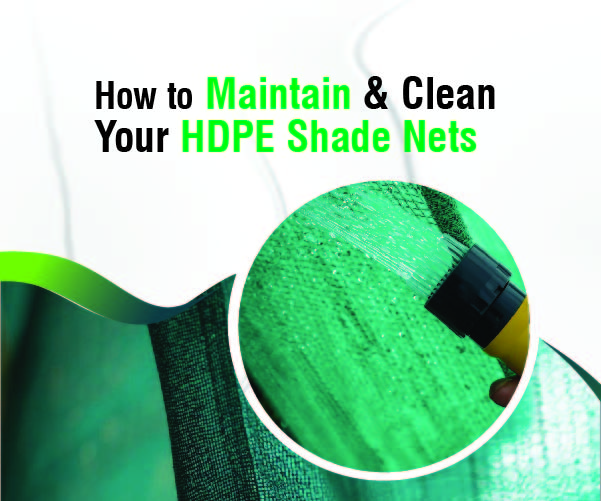
Keeping It Pristine: How to Maintain and Clean Your HDPE Shade Nets
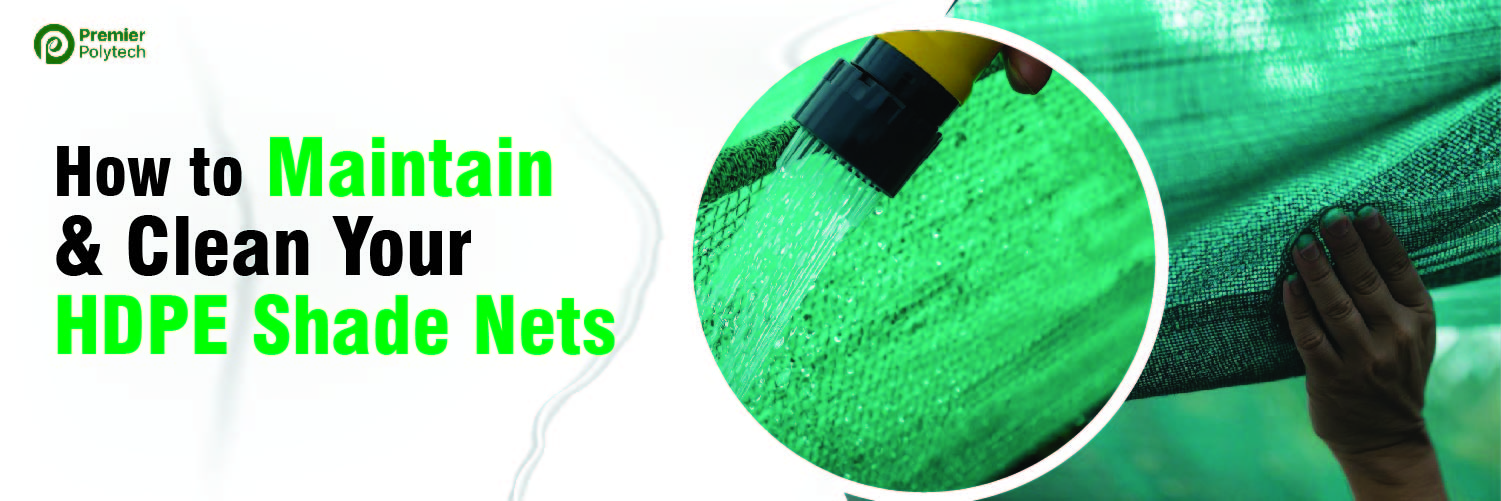
Introduction: Maximizing Your Netting Investment

HDPE (High-Density Polyethylene) shade nets are designed for durability. They are UV-stabilized, resistant to tearing, and built to withstand years of exposure to sun, wind, and rain. However, even the most robust materials require routine care and maintenance to deliver their full lifespan—often 5 to 10 years or more.

Neglecting maintenance can lead to mildew, algae growth, reduced light transmission, and premature degradation, drastically lowering your return on investment. Whether you use them for crop protection, construction safety, or industrial shading, this comprehensive guide provides the essential steps for inspecting, cleaning, and storing your HDPE shade nets to ensure they remain functional and effective for years to come.


Section 1: Pre-Emptive Maintenance and Routine Inspection

The best way to maintain your net’s longevity is to address small issues before they become major problems. Regular inspection is key.

A. Regular Visual Checks (Monthly/Quarterly)

Set a schedule for inspecting the entire netting area, paying close attention to stress points.

  • Check Fasteners: Ensure all ties, clips, grommets, and ropes are securely attached and show no signs of fraying or slippage. Tighten any loose connections to prevent the net from flapping in the wind, which causes structural fatigue.

  • Inspect Edges and Seams: The perimeter and stitched seams are the most vulnerable points. Look for any signs of unraveling or small tears, especially around posts and structural members.

  • Monitor Tension: The net should be taut but not overly stretched. Excessive tension can stress the fabric and frame, while too little tension allows the net to flutter, increasing wear.

B. Immediate Repair of Minor Damage

Do not postpone repairs. A small tear can rapidly expand into a large rupture, compromising the entire structure during a high-wind event.

  • Repair Kits: Keep a dedicated net repair kit on hand, which usually includes strong UV-resistant repair tape (specifically formulated for polyethylene) or spare net fabric and strong binding thread.

  • Patches: Use a piece of the same HDPE net material, overlapping the torn area by at least 2 to 3 inches on all sides, and sew or bond it securely.


Section 2: The Essential Cleaning Process

Cleaning is necessary to remove accumulated dust, organic matter, chemical residues, and pollutants, which can reduce light transmission and harbor pathogens.

A. When to Clean Your Nets

  • End of Season (Agricultural): The best time to clean nets is immediately before seasonal storage.

  • Post-Construction (Industrial): After a dusty construction phase is complete and before moving the net to the next site.

  • When Light Transmission Drops: If you notice a visible reduction in light coming through the net or a buildup of noticeable grime.

B. The Step-by-Step Cleaning Method

  1. Preparation (Removal): If possible, cleaning is best done when the nets are laid flat on a clean, paved, or grassy surface. If removal is impractical (e.g., large permanent structures), cleaning can be done in place.

  2. Initial Rinse: Use a regular garden hose with a standard nozzle to wet the entire surface and gently wash away loose debris, dust, and spiderwebs.

  3. Detergent Application: Use a mild, non-foaming detergent or a specialized greenhouse cleaner. Crucially, avoid harsh chemicals, bleach, or solvent-based cleaners, as these can strip the UV stabilizers and damage the polyethylene structure.

  4. Gentle Scrubbing: Use a soft-bristle brush, sponge, or mop to gently scrub the nets. Focus on areas with heavy buildup, like algae, bird droppings, or chemical overspray.

  5. Thorough Rinsing: This is the most critical step. Rinse the net extensively with clean water until all traces of soap or detergent are removed. Leftover soap residue can attract new dirt and damage the plastic over time.

  6. Disinfection (Optional): For agricultural nets used where pathogens are a concern (e.g., tomato or pepper crops), a mild disinfectant solution can be applied after cleaning and rinsing, followed by a final, clean water rinse.

Section 3: Proper Drying and Storage

Incorrect drying and storage can cause more damage than an entire season of exposure.

A. Complete Air Drying

  • Dry Flat: Before folding or rolling, ensure the net is completely dry. Roll or fold the net on a clean surface.

  • Prevent Mildew: Folding wet or damp HDPE nets creates a dark, humid environment perfect for the growth of mold and mildew, which can stain the net and potentially degrade the fabric over time.

  • Check Fasteners: Ensure any metallic grommets or fasteners are also fully dry to prevent localized corrosion that could stain the net.

B. Smart Storage Practices

  1. Rolling vs. Folding: Large nets should be neatly rolled rather than folded sharply, as folding can create permanent creases and stress points that lead to cracking or tearing when redeployed.

  2. Protective Wrapping: Store the rolled nets in a protective bag or wrap them tightly in opaque poly-film. This protects them from dust, rodents, and, most importantly, any unintentional UV exposure during storage.

  3. Ideal Storage Location: Store the nets in a cool, dry, and dark environment, away from any chemicals, sharp objects, or sources of heat (like direct sunlight through a window).


Section 4: Maintenance Practices to Avoid

Knowing what not to do is as important as knowing what to do.

  • Avoid Pressure Washing: High-pressure water can damage the knitted or woven structure of the net, leading to fiber displacement and tears. Stick to a garden hose with low pressure.

  • Never Use Chlorine Bleach: Chlorine is highly corrosive and will accelerate the breakdown of the HDPE polymer, dramatically shortening the net’s lifespan by attacking the UV stabilizers.

  • Do Not Drag or Pull: When moving or installing the nets, avoid dragging them over rough ground, sharp rocks, or metal edges, as this is a leading cause of abrasion and tears.

  • Be Careful with Machinery: During installation or harvesting, ensure heavy equipment or sharp tools do not come into direct contact with the nets.


Conclusion: Longevity Through Simple Care

Your HDPE shade nets represent a significant, long-term investment in crop protection, worker safety, or asset management. By dedicating time to routine inspection, gentle cleaning, and meticulous storage, you can ensure that your netting operates at peak performance for its maximum intended lifespan. Implementing these simple maintenance strategies will not only save you the cost of premature replacement but also guarantee the continued efficiency and effectiveness of your shade solution.


Frequently Asked Questions (FAQ) 

Q1: What is the single biggest enemy of HDPE shade net lifespan?

A: The single biggest enemy is UV Radiation (Ultraviolet Light). Although the nets are UV-stabilized, continuous, intense exposure is what slowly breaks down the polymer chains. This is why proper storage in a dark place during the off-season is crucial.

Q2: Can I use a standard household detergent to clean my shade nets?

A: You should use a mild, non-foaming detergent and ensure it contains no strong chemicals like chlorine bleach or harsh solvents. Non-ionic detergents or specialized greenhouse cleaning solutions that are safe for plastics are the best options. Always rinse thoroughly.

Q3: My nets have green algae on them. How do I remove it safely?

A: Algae often indicates persistent dampness. You can remove it safely by scrubbing the affected areas with a soft brush and a solution of water and a small amount of household vinegar (acetic acid). Rinse immediately and thoroughly with clean water afterward, and ensure the net dries completely.

Q4: Is it better to roll or fold my shade nets for storage?

A: It is always better to roll your shade nets. Sharp folds create stress points in the knitted fabric which can weaken over time and lead to cracking or tearing when the net is stretched upon reinstallation. Rolling maintains the integrity of the weave.

Q5: How can I quickly repair a small tear in my net?

A: The best quick repair involves using UV-resistant repair tape designed for poly-film or nets. Apply the tape to both the top and bottom of the tear, ensuring a few inches of overlap on either side. For a more permanent fix, sew a patch of the same HDPE net material over the tear using strong, UV-resistant thread.
Beyond the Fields: Industrial Applications of Premier Polytech Shade Nets

Beyond the Fields: Industrial Applications of Premier Polytech Shade Nets

Introduction: The Versatility of HDPE Netting

For decades, High-Density Polyethylene (HDPE) shade nets have been recognized as an indispensable tool in agriculture, protecting crops and boosting yields. However, the unique properties of these knitted or woven fabrics—specifically their lightweight nature, exceptional durability, resistance to UV rays, and controlled porosity—have made them a cost-effective, multi-sector solution.

Manufacturers like Premier Polytech specialize in creating HDPE nets that are robust enough to withstand the demanding conditions of industrial environments. These “industrial nets” transcend simple sun protection, serving vital roles in safety, environmental compliance, and asset preservation across construction, energy, logistics, and more. This guide explores the diverse and crucial industrial applications where Premier Polytech shade nets are now delivering superior performance and return on investment.

1. Construction and Infrastructure Safety

The construction sector is one of the largest non-agricultural adopters of HDPE netting, utilizing it for critical safety and environmental management purposes.

A. Debris and Dust Containment

The most common use is as a Scaffolding or Debris Net. High-density shade nets (often 50% to 75% shade factor) are affixed to scaffolding structures to:

  • Prevent Fall Hazards: Stop construction debris, tools, and small objects from falling and injuring workers or the public below.
  • Mitigate Dust Migration: Act as a critical windbreak, trapping airborne dust and fine particulates within the site boundaries, ensuring compliance with environmental health regulations.

B. Worker Safety and Thermal Management

In large, open construction zones, shade nets provide essential welfare facilities:

  • Temporary Shelters: Used to create instant, shaded break areas, lunch zones, and first-aid points, significantly reducing the risk of heat stroke and UV exposure.
  • Facade Protection: For building renovations, the nets can wrap the structure, protecting the ongoing work from harsh weather and providing a uniform, professional aesthetic.

2. Storage, Logistics, and Asset Protection

Industrial operations often require large-scale outdoor storage for raw materials, finished goods, and heavy equipment. HDPE nets offer a flexible, cost-effective solution for asset protection.

A. Equipment and Vehicle Shading

High-value assets like cranes, excavators, and generators left in direct sunlight can suffer from premature degradation of plastic components, faded paint, and high cabin temperatures. Shade nets deployed as temporary or semi-permanent covers:

  • Reduce Internal Temperatures: Lower the heat load, making heavy machinery cabins cooler and safer for operators to use instantly.
  • Extend Component Lifespan: Minimize UV degradation of tires, hoses, seals, and wiring harnesses.

B. Protection of Raw Materials and Inventory

Materials like sand, aggregate, lumber, and specialized piping can be damaged by prolonged exposure to intense sun or heavy rain.

  • Covering Stockpiles: Nets prevent excessive moisture loss, control dust erosion from sand/gravel piles, and protect heat-sensitive materials from thermal degradation.
  • Temporary Warehousing: They can form quick, semi-enclosed structures to keep items shaded and out of sight, acting as a basic inventory barrier.

3. Energy, Mining, and Environmental Engineering

In harsh, remote industrial environments, shade nets are utilized for environmental stability and resource conservation.

A. Mining and Earthworks

  • Slope Stabilization: Nets can be used in conjunction with hydro-seeding or temporary ground covers to stabilize slopes and berms, preventing soil erosion and silt run-off—a major environmental compliance factor in mining operations.
  • Wind Erosion Control: In dry, dusty mining areas, large-scale net fences or barriers are erected to mitigate wind erosion of exposed surfaces.

B. Renewable Energy (Solar Farms)

While paradoxically used to block the sun, nets can be vital during the construction and maintenance phases of solar panel farms.

  • Glare Reduction: Used as temporary screens to reduce intense solar glare on adjacent roads or residential areas during installation.
  • Worker Shading: Providing shade for technicians working on solar arrays in extreme heat conditions.

C. Water Reservoir and Aquaculture Shading

In industrial water management:

  • Algae Control: Covering open water reservoirs or tanks used in cooling/processing can drastically reduce direct sunlight exposure, inhibiting rapid algae growth and minimizing water treatment costs.
  • Aquaculture: In commercial fish farming, nets help regulate water temperature, reduce fish stress, and prevent predatory bird attacks.

4. Recreational and Commercial Spaces

While not strictly ‘heavy industry,’ the commercial applications showcase the net’s versatility in high-traffic, durable settings.

A. Parking Structures

HDPE nets are a preferred material for creating vehicle shade in commercial parking lots and car dealerships. Black or Pearl/Silver nets are popular for:

  • Heat Reflection: Significantly lowering the temperature inside parked cars, a major customer comfort factor.
  • Hail Protection: Offering a degree of impact resistance against small hail and falling debris.

B. Sports Facilities and Public Amenities

  • Sporting Grounds: Used as windbreakers for golf courses, safety barriers for cricket nets, and protective shade over spectator stands and outdoor courts.
  • Fencing and Privacy Screens: High-density nets are excellent for providing a quick, durable, and cost-effective privacy screen around industrial facilities, waste management areas, or public amenities.

Conclusion: Premier Polytech – The Industrial Fabric Solution

The evolution of shade nets from purely agricultural tools to versatile industrial assets highlights the ingenuity of material science. High-quality manufacturers like Premier Polytech provide UV-stabilized, high-strength HDPE nets that meet the rigorous demands of industrial environments. Whether the goal is regulatory compliance in construction, asset preservation in logistics, or environmental control in mining, the durability, cost-effectiveness, and multi-functional capability of industrial shade nets make them an essential investment for any operation seeking to improve safety, efficiency, and sustainability.

Frequently Asked Questions (FAQ) – Industrial Focus

Q1: How does an industrial shade net differ from an agricultural net?

A: Fundamentally, they are the same HDPE material, but industrial nets often have higher GSM (Grams per Square Meter), thicker monofilaments, and are typically supplied with reinforced edges and brass grommets (eyelets) for heavy-duty installation on scaffolding or large frames. They often prioritize durability and wind resistance over specific light spectrum manipulation.

Q2: Which shade net color is best for reducing heat on a worksite?

A: White or Silver/Pearl-colored nets are the most effective for heat reduction. These lighter colors reflect a greater portion of the sun’s infrared (heat) radiation, whereas darker colors (like black or dark green) absorb more heat, even though they still provide shade.

Q3: Are these nets fire resistant for use on construction sites?

A: Standard HDPE nets are not inherently fire-resistant; they are made of plastic and will melt and burn. However, manufacturers can produce specialized flame-retardant (FR) versions that meet specific fire safety standards for use in confined construction environments. Always confirm the required certification with the supplier.

Q4: How do shade nets handle high winds in industrial applications?

A: Unlike solid plastic sheeting, the porous, knitted structure of the net is a significant advantage. It allows wind to pass through the mesh, reducing the “sail effect” and minimizing the enormous stress on the supporting structure (like scaffolding or perimeter fences), making them much safer than solid barriers.

Q5: Can shade nets be used as permanent fencing for an industrial perimeter?

A: Yes. High-density, tight-weave shade nets (often 75% or 90% shade factor) are commonly used as visual barriers and privacy fencing around industrial facilities, material yards, and waste management sites. They are durable, cost-effective, and provide an effective visual screen while allowing air to circulate.

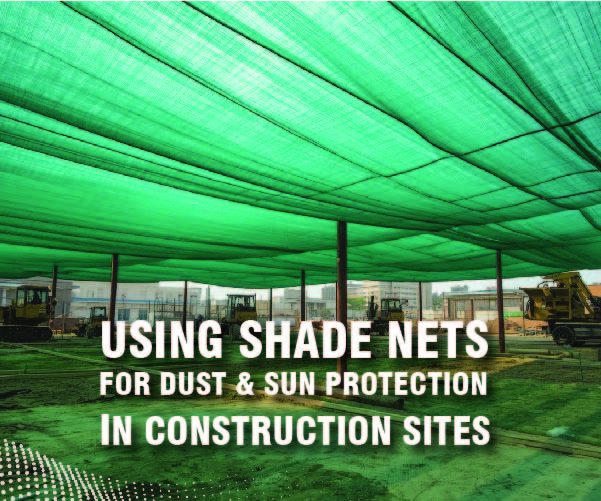
Shade Nets for Construction: Superior Dust and Sun Protection

Site Smarter: Leveraging Shade Nets for Superior Dust and Sun Protection

Introduction: The Dual Challenge of Construction Sites

Modern construction projects operate under intense scrutiny regarding environmental compliance, worker safety, and public perception. Two persistent challenges on any site are managing airborne dust and protecting workers and materials from harsh solar radiation. Traditional solutions often involve temporary tarps or heavy fabrics that are costly, difficult to install, and poorly suited for long-term use.

The industry is increasingly finding a superior, cost-effective solution by adapting technology from agriculture: High-Density Polyethylene (HDPE) shade nets. Originally designed to protect crops, these lightweight, durable, and porous fabrics are now proving to be indispensable on urban and industrial construction sites. This guide will detail how shade nets serve as a powerful dual-purpose tool for dust control and sun safety, ensuring compliance and enhancing operational efficiency.

1. The Critical Role of Shade Nets in Dust Control

Construction activities—from demolition and excavation to cutting and grinding—generate massive amounts of dust and fine particulate matter. Effective dust suppression is not just a matter of cleanliness; it’s a legal, health, and environmental necessity.

A. Containment and Filtration

Shade nets, particularly those with a higher weave density (e.g., 50% to 75% shade factor), act as effective windbreaks and physical filters.

  • Preventing Off-Site Migration: When securely fastened to scaffolding or perimeter fences, the nets significantly reduce the velocity of wind, preventing dust particles from being carried off-site into surrounding communities, traffic, or adjacent properties.
  • Particle Interception: The fine mesh of the HDPE fabric physically intercepts larger dust particles and forces smaller particles to settle rapidly within the site boundaries.

B. Compliance with Environmental Regulations

Strict municipal and environmental regulations often dictate maximum permissible levels for airborne dust and silt run-off. Deploying shade nets demonstrates a proactive commitment to compliance, reducing the risk of costly fines, project delays, and stop-work orders. They are a critical element of a comprehensive Site Environmental Management Plan (EMP).

C. Enhancing Worker Visibility and Air Quality

By controlling suspended dust particles, the nets improve air quality within the construction zone. This leads to better visibility for equipment operators and site managers, enhancing safety. More importantly, it reduces workers’ long-term exposure to harmful inhalable silica and construction dust, contributing to better occupational health.

2. Sun Protection and Thermal Management for Workers and Materials

Intense heat and UV exposure pose direct risks to workers’ health and the integrity of construction materials.

A. Worker Heat Stress and UV Protection

Construction work often happens under direct sunlight for long hours, leading to significant risk of heat exhaustion, heat stroke, and long-term skin damage from UV radiation.

  • Cooling Effect: When draped over temporary work areas, break rooms, or equipment bays, shade nets (especially white or silver/pearl nets) reflect a significant portion of solar radiation. This lowers the ambient temperature underneath by several degrees Celsius, providing a critical cooling effect.
  • UV Blockage: High-quality HDPE nets are UV-stabilized and block a high percentage of harmful ultraviolet rays, protecting workers while still allowing sufficient diffused light for safe work.

B. Protection of Sensitive Materials

Certain construction materials are vulnerable to direct sunlight and heat:

  • Chemicals and Adhesives: High temperatures can prematurely cure or compromise the effectiveness of glues, sealants, and coatings.
  • Plastics and Composites: Direct UV exposure can accelerate the degradation and discoloration of plastic piping, roofing membranes, and sensitive finishes.
  • Concrete Curing: Shade nets help maintain stable temperature and slow moisture loss during the critical concrete curing phase, preventing rapid drying and reducing the risk of surface cracking.

3. Operational and Economic Benefits

The functional advantages of shade nets translate directly into economic and logistical benefits for construction firms.

A. Durability and Reusability

Unlike inexpensive plastic sheeting or natural fiber tarps, UV-stabilized HDPE nets are designed to withstand continuous outdoor exposure, high winds, and repeated handling.

  • Long Lifespan: They can be used on multiple projects over many years, offering a much lower Total Cost of Ownership (TCO) compared to single-use materials.
  • Tear Resistance: The woven or knitted structure is highly resistant to tearing and fraying, maintaining its integrity even when subject to rough site conditions.

B. Lightweight and Easy Installation

HDPE nets are significantly lighter than canvas tarps or solid panels, making them easier and faster for site teams to install, move, and secure onto scaffolding or perimeter fences. This saves considerable labor time and cost. The open weave allows wind to pass through, reducing the ‘sail effect’ that can stress scaffolding structures.

C. Visual and Security Enhancement

Many construction firms use custom-printed shade netting as a branding and security measure.

  • Aesthetics: A neat, uniformly covered site looks professional and minimizes the visual clutter of the construction process.
  • Branding: Printed nets offer a massive, temporary billboard opportunity for the company logo, project title, or safety messages.
  • Security: The netting acts as a visual barrier, obscuring the contents of the site from casual view, which can deter theft of equipment and materials.

Conclusion: An Essential Tool for Modern Sites

The adoption of HDPE shade nets in construction is a testament to their versatility and superior performance. As projects become more complex and regulatory demands increase, these nets offer a simple yet powerful solution to two of the industry’s perennial problems: dust mitigation and solar protection. By investing in durable, appropriate netting, construction companies are not only ensuring compliance and protecting their workforce but also building a reputation for professionalism, safety, and environmental responsibility.

Frequently Asked Questions (FAQ)

Q1: Which shade factor is best for construction site dust control?

A: Nets with a medium to high shade factor (50% to 75%) are generally preferred for dust control. Higher density nets (e.g., 70% or 75%) offer a tighter weave, which is more effective at intercepting fine dust particles and providing a better visual barrier, while still allowing enough airflow to prevent high wind loads.

Q2: Are shade nets durable enough for repeated use on different projects?

A: Yes, absolutely. High-quality construction-grade shade nets are made from UV-stabilized HDPE and are specifically designed for longevity. Unlike plastic sheeting, their knitted or woven structure is highly resistant to tearing and degradation from sunlight, allowing them to be taken down, stored, and reused across multiple construction sites over several years.

Q3: How do the nets help protect construction workers from the sun?

A: They protect workers in two ways:

  1. UV Filtration: They block a very high percentage of harmful UV radiation, reducing the risk of skin damage.
  2. Heat Reduction: By reflecting and absorbing solar energy, they lower the ambient temperature in shaded work and rest areas, significantly reducing the risk of heat stress and heat stroke.

Q4: Is wind resistance a problem with large shade nets on scaffolding?

A: No, it’s an advantage. Because the nets are porous (not solid), they allow a controlled amount of wind to pass through the mesh. This prevents the large “sail effect” that occurs with solid tarps or sheeting, which can put dangerous stress on the scaffolding or structural framework.

Q5: Can I use shade nets to conceal the construction site from the public?

A: Yes. Using a higher shade factor net (e.g., 70% or above) on the perimeter fencing or scaffolding provides an effective visual screen or privacy barrier, obscuring the site’s activities and storage areas from public view, which is often a regulatory requirement in urban environments.

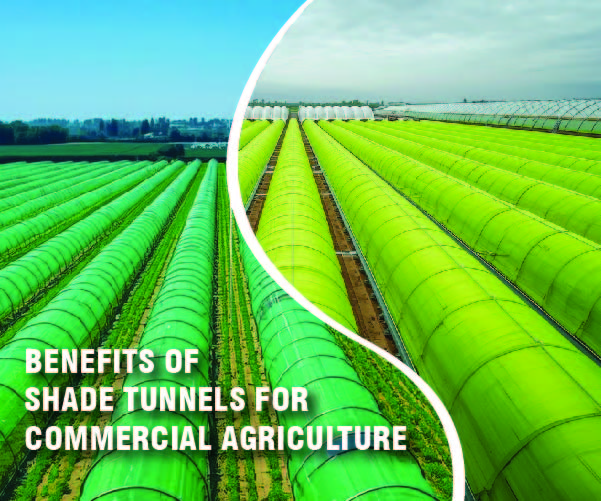
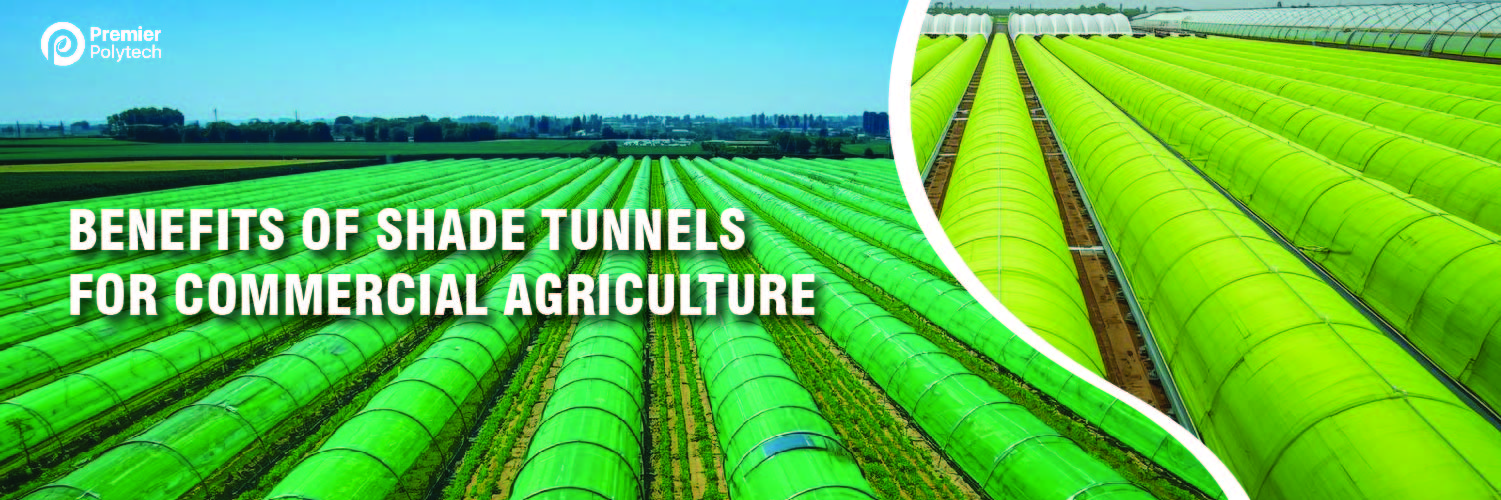
Shade Tunnels: Unlocking Commercial Benefits, Protection, & Maximum Yield

The Power of Protection: Unlocking Commercial Benefits with Shade Tunnels

Introduction: The Evolution of Protected Cultivation

Commercial agriculture faces constant challenges: unpredictable weather, intensifying pest pressure, and the need for higher yields and quality. For many growers, the solution lies in an intermediate technology that bridges the gap between open-field farming and expensive, fully controlled greenhouses: Shade Tunnels (often referred to as Net Houses or Shade Net Structures).

Shade tunnels are semi-permanent structures covered with specially formulated netting, typically High-Density Polyethylene (HDPE). They are rapidly becoming the preferred choice for high-value crops worldwide due to their combination of affordability, scalability, and environmental control. This comprehensive guide explores the specific benefits these structures offer to commercial operations, ensuring improved crop health, resource efficiency, and profitability.

1. Superior Climate Mitigation and Crop Protection

The primary benefit of shade tunnels is their ability to shield crops from the most damaging environmental factors, ensuring a stable microclimate essential for continuous production.

A. Temperature and Light Regulation

Shade nets are available in various shade factors (e.g., 30%, 50%, 75%), allowing farmers to precisely manage solar radiation. This control:

  • Prevents Heat Stress: Reduces the high temperatures that cause pollen sterility, flower abortion, and fruit drop in summer.
  • Avoids Sun-Scald: Diffuses intense sunlight, preventing direct damage to fruits and leaves, which significantly impacts marketable quality.
  • Optimizes Photosynthesis: Provides the ideal light intensity for sustained plant growth without excessive heat load.

B. Protection Against Weather Extremes

The robust framework and netting provide physical protection that is impossible to achieve in open fields:

  • Hail and Wind Damage: The structure absorbs the impact of hailstones and heavy rain, preventing physical crop damage. The netting also acts as an effective windbreak, minimizing plant stress and structural failure.
  • Mild Frost Protection: The net canopy traps a layer of warm air near the plants, offering a degree of protection against light frost during transition seasons.

2. Enhanced Resource Efficiency and Sustainability

Commercial viability today is intrinsically linked to sustainable resource management. Shade tunnels offer significant advantages in this area.

A. Water Conservation

By reducing solar radiation and wind speed within the tunnel, the nets drastically decrease the rate of evapotranspiration (water loss from soil and plants).

  • Reduced Irrigation Needs: Farmers can significantly reduce the frequency and volume of irrigation, saving water, energy, and labor costs.
  • Consistent Humidity: The structure helps maintain a higher Relative Humidity (RH), reducing plant water stress and improving the efficiency of water uptake.

B. Optimized Nutrient Use

The stable environment and reduced stress mean plants can more efficiently absorb and utilize applied fertilizers. Reduced water runoff (due to lower irrigation volume) also minimizes nutrient leaching, making the entire feeding process more effective and environmentally responsible.

3. Integrated Pest Management (IPM) Advantages

Pest and disease management is one of the highest operating costs in commercial farming. Shade tunnels offer an exceptional non-chemical defense.

A. Effective Physical Barrier

When combined with fine-mesh insect nets (often referred to as ‘anti-insect nets’) installed on the sides and ends, the tunnel acts as a formidable barrier, physically excluding large insects, birds, and even some smaller flying pests.

  • Reduced Pesticide Use: By controlling the entry of vectors that carry viral diseases (like whiteflies or aphids), farmers drastically reduce the need for chemical sprays. This lowers input costs, reduces chemical residues on produce, and contributes to better worker safety.

B. Disease Reduction

The controlled environment helps manage common fungal and bacterial diseases. While shade tunnels do not stop disease entirely, the ability to control humidity and minimize physical damage (which serves as entry points for pathogens) helps suppress outbreaks.

4. Economic Superiority and ROI

For commercial growers, the decision to invest must deliver a strong return on investment (ROI). Shade tunnels excel in this comparison.

A. Higher Yield and Premium Quality

The optimal, consistent growing environment leads to:

  • Higher Yields: Reduced stress means higher survival rates, better fruit set, and increased overall production volume.
  • Premium Quality: Uniform size, color, and blemish-free surfaces command higher prices in both domestic and international markets.

B. Affordability and Scalability

Compared to glass or poly-film greenhouses, shade tunnels have a significantly lower initial capital cost.

  • Rapid Deployment: They are simpler and faster to construct, making them ideal for large-scale, modular expansion.
  • Durability: High-quality HDPE netting and galvanized steel frames offer a lifespan of 5 to 7 years or more, leading to a low total cost of ownership over time.

C. Extended Growing Season

By successfully mitigating mid-summer heat, farmers can extend their planting and harvesting cycles, allowing for consistent supply and stable market engagement, crucial for commercial contracts.

Choosing the Right Shade Tunnel System

Commercial growers must select the right components for their operation:

  1. Structure: Choose between simple hoop structures (low-cost, easy to move) and more robust gothic/high-tunnel designs (better ventilation, stronger against snow/wind).
  2. Net Material: Select the appropriate shade factor (25% to 75%) based on the crop (e.g., leafy greens need more shade than tomatoes) and the local climate intensity.
  3. Venting: Ensure adequate side and top venting is incorporated to prevent air stagnation and excessive humidity buildup, which can promote disease.

Conclusion: Securing Profitability in Modern Agriculture

Shade tunnels represent a critical shift toward smart, protected agriculture. Their ability to stabilize the growing environment—managing light, mitigating weather extremes, conserving water, and controlling pests—translates directly into a powerful competitive advantage for commercial growers. By investing in these efficient, scalable structures, businesses can secure higher yields, premium quality produce, and a sustainable, profitable future in an increasingly demanding global market.

Frequently Asked Questions (FAQ)

Q1: What is the average lifespan of a commercial shade tunnel structure?

A: A well-built commercial shade tunnel using a galvanized steel frame can last 10 to 15 years or more. The HDPE shade net covering typically needs replacement every 5 to 7 years, depending on the quality of the UV stabilization and local weather severity.

Q2: Can I grow any crop in a shade tunnel?

A: Shade tunnels are ideal for most high-value vegetables (e.g., capsicum, exotic lettuce, herbs), flowering plants (cut flowers), and soft fruits (e.g., strawberries, raspberries). They are generally not suitable for crops requiring very high heat (like some melons) or those that need 100% direct sunlight year-round.

Q3: What is the difference between a Shade Tunnel and a Greenhouse?

A: A Shade Tunnel uses net fabric for covering, primarily focusing on managing light, temperature, and pests. A Greenhouse typically uses poly-film, glass, or polycarbonate, focusing on trapping heat and offering complete environmental control, including heating and cooling systems. Tunnels are generally simpler and much less expensive to build and operate.

Q4: How do shade tunnels help with pest control?

A: Shade tunnels aid in pest control in two ways:

  1. Exclusion: When covered with fine insect-proof netting, they act as a physical barrier to prevent the entry of many pests (a form of IPM).
  2. Health: The reduced plant stress from optimal climate conditions makes the plants less susceptible to disease and infestation.

Q5: Which shade net color is best for maximizing yield?

A: There is no single “best” color; it depends on the goal. Black nets offer consistent light reduction. White/Pearl nets are best for maximizing cooling and light reflection. Green nets often provide a light spectrum preferred by leafy vegetables. Testing the appropriate shade factor (percentage) is more critical than the color itself.

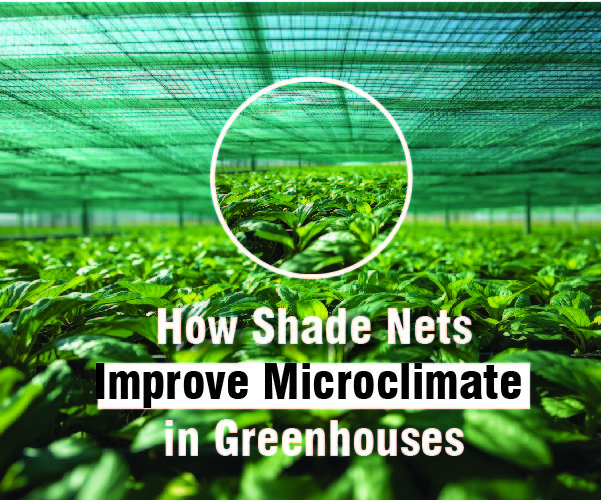
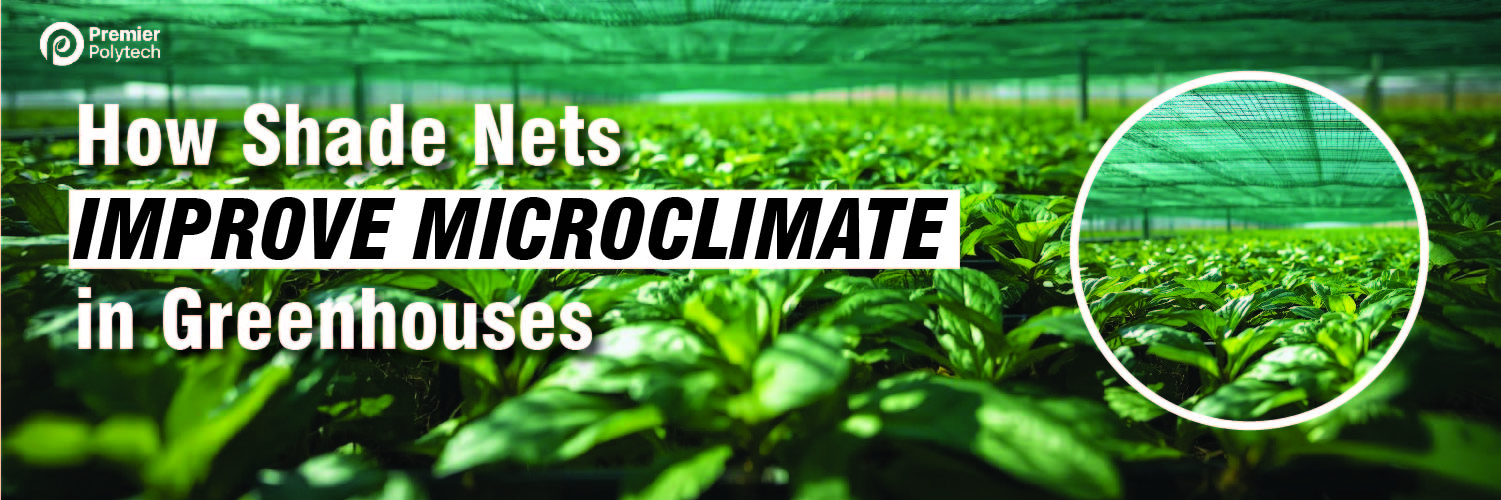
The Hidden Advantage: How Shade Nets Masterfully Improve Microclimate in Greenhouses

The Hidden Advantage: How Shade Nets Masterfully Improve Microclimate in Greenhouses

Introduction: Beyond Simple Shading

Greenhouses provide an indispensable environment for controlled agriculture, allowing growers to produce high-value crops regardless of external weather conditions. However, the very structure designed to trap heat can often create a hostile environment—leading to excessive heat buildup, intense light, and rapid moisture loss. This is where shade nets emerge as one of the most cost-effective and crucial tools in a grower’s arsenal.

Shade nets, often made from UV-stabilized High-Density Polyethylene (HDPE), do much more than just block sunlight. They are engineered to modify the greenhouse microclimate, transforming challenging conditions into an optimal environment for plant growth. This guide will delve into the science behind how these nets enhance temperature, humidity, light, and air movement, securing higher yields and better resource efficiency.

1. Light Management: Optimizing Photosynthesis

The primary function of a shade net is to regulate the amount and quality of solar radiation entering the greenhouse. This control is critical for plant health.

Preventing Photo-Oxidation and Sunburn

Intense, unfiltered sunlight, especially during peak hours, can lead to photo-oxidation (damage to the chloroplasts) and physical sunburn on leaves and fruits. Shade nets diffuse the harsh, direct rays, distributing light more evenly across the plant canopy. This prevents localized heat stress and allows all parts of the plant to photosynthesize efficiently.

Tailored Light Intensity (Shade Factor)

Shade nets are categorized by their shade factor (e.g., 30%, 50%, 75%), which allows farmers to precisely match the light requirements of their specific crop.

  • Low Shade (25%-40%): Ideal for hardy vegetables like tomatoes or peppers during summer.
  • Medium Shade (50%-60%): Perfect for leafy greens, ornamental plants, and flowers.
  • High Shade (70% and above): Necessary for highly delicate plants, propagation, and tissue culture hardening.

By controlling the intensity, the nets ensure plants receive the necessary light without the damaging heat load, leading to improved Carbohydrate Production.

2. Temperature Regulation: Mitigating Heat Stress

Heat is the single greatest challenge in greenhouse farming, especially in warmer regions. Shade nets tackle this problem through a combined process of reflection and heat load reduction.

Reducing Heat Transmission

When solar radiation hits the net, a significant portion is reflected or absorbed by the net itself before it can enter the greenhouse. This drastically reduces the greenhouse effect (the trapping of long-wave radiation) inside the structure.

Creating a Cooler Microenvironment

The space between the net and the greenhouse roof acts as an insulation layer. Air movement in this layer helps carry away some of the absorbed heat, preventing it from radiating down onto the crops. A reduction of even a few degrees Celsius can be the difference between plant survival and heat stress, preventing issues like:

  • Pollen sterility and flower abortion.
  • Stunted growth and poor fruit set.

In fact, strategic use of White or Pearl-colored nets maximizes the reflection of solar energy, providing the greatest cooling effect compared to darker nets.

3. Humidity and Water Management: Enhancing Turgidity

One of the most valuable, often overlooked, functions of shade nets is their contribution to water use efficiency.

Decreased Evapotranspiration

High temperatures and strong air movement rapidly increase the rate of transpiration (water loss from the plant leaves) and evaporation (water loss from the soil/media). By lowering the air temperature and acting as a mild windbreak, shade nets dramatically reduce the overall evapotranspiration rate within the greenhouse.

  • Result: Plants remain turgid (firm and plump) for longer, reducing the frequency and volume of necessary irrigation. This saves significant water and energy resources.

Maintaining Optimal Relative Humidity

The reduced air flow and cooler temperatures help maintain a higher level of Relative Humidity (RH) around the crop canopy. This is particularly beneficial for young seedlings and high-value flowering crops that thrive in humid conditions, promoting better nutrient uptake and preventing desiccation.

4. Airflow and Physical Protection: A Stable Environment

While traditional structures can create stagnant air pockets, shade nets work in tandem with the greenhouse ventilation system to create a more controlled and stable environment.

Wind Velocity Reduction

The netting material reduces the velocity of external wind currents entering the greenhouse. High winds can cause physical damage, increase water stress, and accelerate moisture loss. By slowing the air, the net stabilizes the environment without completely blocking necessary air exchange.

Protection from External Hazards

Shade nets provide a crucial physical barrier:

  • Hail and Heavy Rain: The material absorbs the force of hail stones and heavy raindrops, protecting the delicate crop from bruising and tearing.
  • Dust and Airborne Debris: They filter larger particles, keeping the growing area cleaner.
  • Pest Exclusion: When used on side vents or as a primary covering, the nets can exclude large pests and birds, reducing the reliance on chemical pesticides.

Economic Impact: A Smart Investment

The improved microclimate translates directly into tangible economic benefits for the grower.

  • Higher-Quality Produce: Consistent, optimal growing conditions result in uniform fruit size, better color, and enhanced shelf life, securing a premium market price.
  • Reduced Inputs: Savings on water, electricity (for cooling fans), and pesticide use significantly lower operational costs.
  • Extended Growing Seasons: By successfully mitigating extreme summer heat, shade nets allow growers to extend their production window, ensuring a consistent supply to the market.

Conclusion: The Precision Tool for Modern Growers

Shade nets are not merely a protective layer; they are a precision climate control tool essential for modern greenhouse operations. By expertly managing light intensity, lowering temperature, conserving water, and creating a stable environment, these nets allow farmers to overcome the natural limitations of their location. Investing in high-quality, appropriately selected shade nets is a strategic decision that guarantees a healthier microclimate, resulting in higher yields, reduced costs, and a more sustainable farming operation.

Frequently Asked Questions (FAQ)

Q1: What does “microclimate” mean in a greenhouse context?

A: Microclimate refers to the small-scale, localized climatic conditions measured inside the greenhouse, distinct from the surrounding outdoor climate. It includes key factors like air temperature, relative humidity, light intensity, and air movement, all of which are directly controlled by the structure and tools like shade nets.

Q2: Which color shade net provides the most cooling effect?

A: White or Pearl-colored shade nets provide the most significant cooling effect. Unlike black nets which absorb heat, white nets reflect a higher percentage of the solar radiation (including infrared heat), helping to maintain a lower internal temperature.

Q3: Does the use of a shade net reduce the need for irrigation?

A: Yes, significantly. By reducing the ambient temperature and slowing air movement, shade nets decrease the rate of evapotranspiration (water loss from the soil and plants). This means the plants retain moisture for longer, requiring less frequent and lower volumes of irrigation water.

Q4: Can a shade net be too dark for my crops?

A: Absolutely. If the shade percentage (e.g., 80% or 90%) is too high for the crop, the resulting low light intensity can limit photosynthesis. This will lead to etiolation (stretching and thinning of the plant), pale leaves, and poor flowering/fruiting, negating the benefits of temperature control. Always match the net’s shade factor to the crop’s light needs.

Q5: What is UV stabilization, and why is it important for shade nets?

A: UV stabilization is a chemical treatment added to the HDPE material to protect it from the damaging effects of ultraviolet (UV) radiation from the sun. Without this treatment, the plastic would quickly become brittle, degrade, and tear. UV stabilization is essential for giving the nets a long lifespan, typically 5 to 7 years.

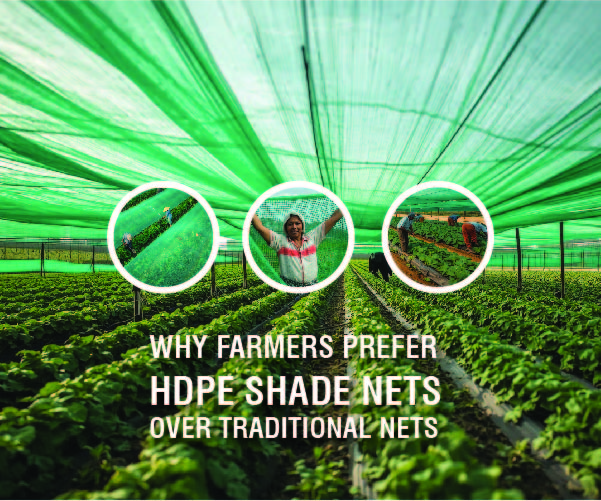
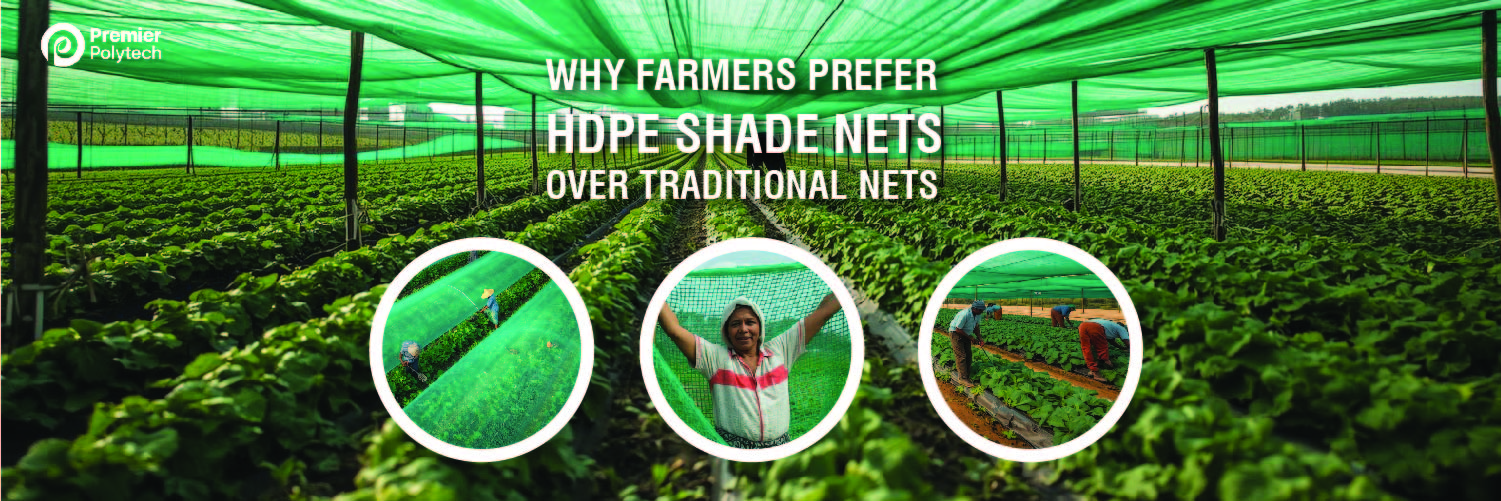
HDPE Shade Nets: Why Farmers Are Switching to High-Density Polyethylene

Why Farmers Are Switching to HDPE Shade Nets: A Comprehensive Guide

Introduction: The Evolution of Crop Protection

Farmers have always relied on various methods to protect their crops from harsh weather, pests, and excessive sunlight. For generations, traditional netting materials like jute, coir, or loosely woven fabrics served this purpose. However, with advances in material science, a far more efficient and durable solution has emerged: High-Density Polyethylene (HDPE) shade nets.

HDPE shade nets offer a significant upgrade, providing precision climate control and vastly improved longevity. This shift is not just a trend; it’s an economic and environmental necessity for modern, sustainable farming. This guide will explore the reasons why farmers prefer HDPE nets and how they contribute to better yields and resource management.

What is an HDPE Shade Net?

HDPE shade nets are specialized nets made from High-Density Polyethylene material. This plastic polymer is woven or knitted into a mesh structure.

Key Characteristics of HDPE:

  • High Strength-to-Density Ratio: It is very strong yet lightweight.
  • UV Stabilization: Crucially, these nets are treated with UV stabilizers, allowing them to withstand prolonged exposure to intense sunlight without degrading.
  • Chemical Inertness: They resist breakdown from common agricultural chemicals and fertilizers.
  • Durability: HDPE nets can last for many years, often exceeding 5 to 7 seasons.

HDPE vs. Traditional Nets: The Key Differences

The preference for HDPE nets stems from a direct comparison with older, natural, or less-durable synthetic materials.

Feature HDPE Shade Nets Traditional Nets (Jute, Coir, etc.)
Material UV-stabilized High-Density Polyethylene Natural fibers (Jute, Coir, Cotton) or low-grade synthetics
Durability/Lifespan 5+ Years (Highly resistant to tearing and degradation) 1-2 Seasons (Prone to rot, mildew, and UV damage)
Shade Factor Control Available in precise shading percentages (e.g., 35%, 50%, 75%) Varies widely, often inconsistent
Weight Lightweight and easy to install/handle Heavier, especially when wet
Water & Chemical Resistance Excellent (No rotting or mildew) Poor (Absorbs water, leading to decomposition)
Pest Control Fine, uniform mesh acts as an excellent physical barrier Looser weaves may not effectively block smaller insects
Cost Over Time Higher initial cost, but lower long-term cost Lower initial cost, but high recurring replacement costs

Economic Benefits: Enhancing ROI and Sustainability

The main reason for the widespread adoption of HDPE nets is their significant economic return on investment (ROI).

1. Improved Crop Yield and Quality

HDPE nets allow farmers to precisely control the amount of sunlight reaching the crop. This optimal light filtration prevents sun-scald and heat stress, leading to:

  • Healthier plant growth and reduced flower/fruit drop.
  • Increased marketable yield.
  • Improved fruit size, color, and texture, demanding a better market price.

2. Water Conservation

By reducing direct solar radiation and wind speed inside the shaded area, the nets significantly reduce the rate of water evaporation from the soil and transpiration from the plants. This translates directly into substantial savings on irrigation water—a crucial factor in drought-prone or water-scarce regions.

3. Exceptional Longevity and Durability

The investment in HDPE is justified by its long life. Where traditional nets might need replacement every year, a quality HDPE net can last for five years or more. This drastically reduces annual material and labor costs associated with installation and removal. The material’s resistance to tearing, wind damage, and pests further ensures minimal maintenance.

Functional Advantages: Protecting Crops and Resources

Beyond economics, the functional performance of HDPE nets provides critical protection.

1. Precise Climate and Light Management

Different crops require different light intensities. HDPE nets are available in a variety of shade factors, typically ranging from 25% for leafy vegetables to 90% for covering nurseries. This ability to tailor the microclimate is essential for growing high-value crops like orchids, strawberries, and exotic vegetables.

2. Protection Against Weather Extremes

HDPE nets act as a shield against unpredictable weather:

  • Hail and Storm Damage: The woven structure can absorb the impact of hail and heavy rain, preventing physical damage to delicate crops.
  • Windbreak: They significantly slow down wind velocity, which reduces physical plant damage and excessive moisture loss.
  • Frost Protection: The net can trap a layer of warm air near the plants, offering a degree of protection against mild frost.

3. Pest and Bird Control

The nets serve as a highly effective physical barrier, preventing birds from consuming fruits and reducing the entry of large insects and pests, thereby minimizing the need for expensive and potentially harmful pesticides.

Environmental and Health Benefits

The environmental footprint of modern farming is a growing concern. HDPE nets help address this through sustainable practices.

  • Reduced Chemical Use: By controlling pests and diseases through climate regulation and physical barriers, farmers can rely less on chemical sprays.
  • Enhanced Water Security: The massive savings in irrigation water contribute to regional water table preservation.
  • Sustainable Material Use (Long-Term): While HDPE is a plastic, its multi-year lifespan means less material is consumed and discarded compared to yearly replacements of traditional nets. Furthermore, most HDPE nets are now manufactured to be fully recyclable at the end of their service life.

How to Choose the Right HDPE Shade Net

Selecting the correct net is crucial for maximizing benefits. Farmers should consider three main factors:

  1. Shade Factor: Match the percentage to the crop’s light requirements. High-light crops need lower shade percentages (e.g., 35%); shade-loving crops need higher (e.g., 75%).
  2. Color:
    • Black: Provides direct light reduction and heat absorption, common for general use.
    • Green: Preferred for nurseries and ornamental plants, offering a natural visual spectrum.
    • White/Pearl: Reflects heat, keeping the area cooler, often used in hot climates.
  3. Knitting Density (GSM): A higher GSM (Grams per Square Meter) generally indicates a stronger, more durable net with a tighter weave.

Conclusion: Securing the Future of Farming

The preference for HDPE shade nets over traditional materials is a clear indicator of the progress in agricultural technology. Their ability to deliver precise environmental control, exceptional durability, and significant economic savings makes them an indispensable tool for the modern farmer. By adopting HDPE nets, growers are not only improving their bottom line but also contributing to more efficient, sustainable, and high-yield farming practices that can better meet the demands of a growing global population.

Frequently Asked Questions (FAQ) – SEO Optimized

Q1: What is the main difference between green and black shade nets?

A: Black nets reduce light but can absorb more heat, generally used for general shading. Green nets filter light to a spectrum that is often preferred by nurseries and ornamental plants, promoting photosynthesis while reducing harsh light. White or Pearl nets reflect light and heat, offering the best cooling effect.

Q2: How long does an HDPE shade net typically last?

A: High-quality, UV-stabilized HDPE shade nets typically last 5 to 7 years or sometimes even longer under normal conditions. Their lifespan far exceeds that of traditional nets, which often degrade in a single season due to UV exposure, rot, and mildew.

Q3: Are HDPE nets recyclable?

A: Yes, most modern HDPE nets are 100% recyclable at the end of their useful life. HDPE (High-Density Polyethylene) is a widely recycled plastic, making it a more environmentally sound choice in the long run compared to non-recyclable synthetics.

Q4: How do I choose the right shade percentage for my crop?

A: The required shade percentage depends entirely on the crop.

  • Low Shade (25%-35%): For vegetables like tomatoes, peppers, and most field crops.
  • Medium Shade (45%-65%): For shade-loving vegetables, ornamental plants, and flowers.
  • High Shade (75%-90%): For delicate nursery plants, tissue culture hardening, and orchids.

Q5: Can HDPE shade nets protect against rain?

A: HDPE shade nets are porous, so they allow water and air to pass through. While they protect against the impact of heavy rain and hail, they are not waterproof. For full rain protection, a farmer would need to use a poly-film or a specialized waterproof shade cloth.

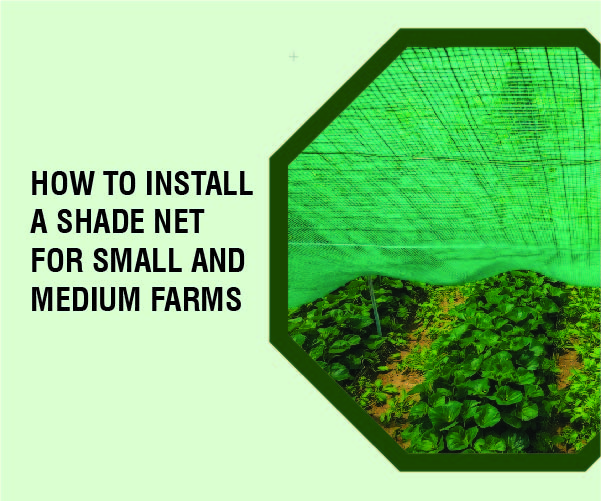
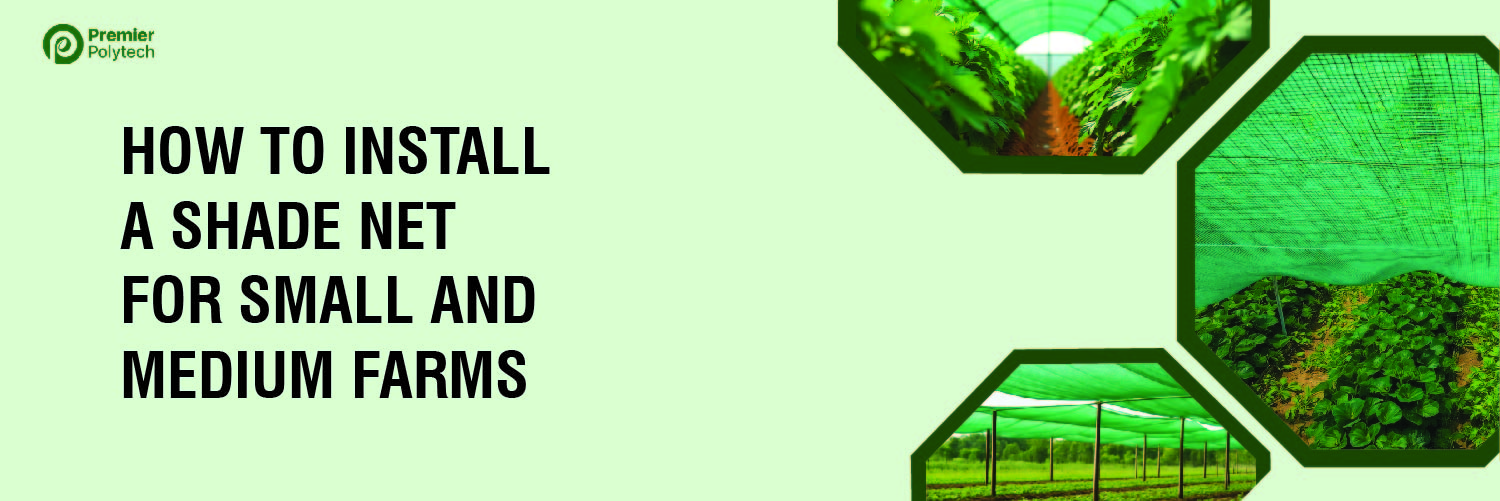
A Farmer’s Guide: How to Install a Shade Net for Small and Medium Farms

A Farmer’s Guide: How to Install a Shade Net for Small and Medium Farms

Introduction: Why Shade Nets Are Essential for Modern Farming

In an era of unpredictable climate change, protecting your valuable crops is more critical than ever. For small and medium farms, a simple yet powerful solution exists: the agricultural shade net (or shade house). These nets are not just for nurseries; they are a vital tool that shields your plants from excessive sun, harsh winds, damaging hail, and even pests, leading to better yields, reduced water consumption, and healthier crops.

This comprehensive, step-by-step guide is designed to empower you, the small-scale farmer, to successfully plan, purchase, and install a shade net structure on your farm. We’ll cover everything from choosing the right net to securing the final structure, ensuring your investment pays off with a bountiful harvest.

Section 1: The Essential Pre-Installation Checklist

Before you put a single post in the ground, proper preparation is the key to a stable and effective shade house.

1. Choose the Right Shade Net Material and Percentage

Selecting the correct shade net is the most important decision you will make. This choice depends entirely on the crops you plan to grow.

Shade Percentage Ideal Crops Key Benefit
35% – 50% Vegetables (Chili, Tomato, Capsicum), General open-field crops. Offers mild protection, maintains good light transmission.
50% – 75% Ornamentals, Herbs, High-Value Nursery Plants, Ginger, Turmeric. Standard for nurseries, provides significant heat and light reduction.
75% – 90% Shade-loving plants, hardening off delicate tissue culture. Maximum shade for sensitive stages or intense sunlight regions.
  • Material: Most nets are made from High-Density Polyethylene (HDPE), which is durable and UV-stabilized. Ensure your net is UV-treated for longevity.
  • Colour: Black is a common, cost-effective choice for general shading. Green nets offer a more natural look. White nets reflect more light, reducing heat more effectively for very sensitive crops.

2. Site Selection and Preparation

  • Flat, Well-Drained Land: Choose a location that is relatively flat to ensure a uniform structure. Good drainage is crucial to prevent waterlogging under the net.
  • Clear the Area: Remove all weeds, large rocks, debris, and any old roots that could obstruct the digging process or damage the net later.
  • Water and Power Access: Ensure your chosen site has easy access to a water source for irrigation and, if needed, power for any equipment.

3. Accurate Measurement and Planning

Measure the total length and width of the area you intend to cover. This determines the size of your net and the number of support poles required. Always buy a net that is slightly larger than your structure to allow for a secure pull and attachment.

Section 2: Building the Shade Net Structure (The Framework)

The structure is the skeleton of your shade house. It must be strong enough to withstand high winds and the weight of the net, especially after rainfall.

Step 1: Mark and Dig the Pole Pits

  • Spacing: For stability on small to medium farms, set your support poles 3 to 4 meters (10 to 13 feet) apart along the perimeter. For structures wider than 15 meters, consider adding central support columns.
  • Depth: The holes for your main posts should be at least 2.5 to 3 feet (about 0.75 to 1 meter) deep to ensure proper anchorage.
  • Corner Posts: Pay special attention to the four corners, as they bear the most tension. Dig these holes slightly deeper and wider.

Step 2: Erecting the Support Poles

You have two main options for support poles:

  1. Treated Wooden Poles (Cost-Effective): Ensure the wood is treated to resist rot and termites. They are economical for small-scale setups.
  2. Galvanised Steel Pipes (Durable and Long-Lasting): This is the ideal choice for a permanent, medium-sized farm structure. They offer superior strength against wind.
  • Concreting: Place the pole into the pit and pour a mixture of cement, sand, and gravel (concrete) to secure it. This is non-negotiable for strong, long-term stability. Ensure all poles are perfectly vertical before the concrete sets.
  • Height: The final height should allow a person to work comfortably underneath, typically 2.5 to 3 meters (8 to 10 feet) from the ground.

Step 3: Creating the Overhead Frame

To provide a secure attachment point for the net and prevent sagging, you need a strong overhead framework.

  • Wire/Cable Installation: Run thick, galvanized steel wire or cable tightly between the tops of all the poles, both along the length and the width, creating a grid. This is crucial for distributing the net’s weight and tension.
  • Corner Bracing: Install diagonal wire supports from the top of the corner posts down to a ground anchor (deadman) or the base of the next pole. This bracing will prevent the structure from collapsing inward under tension or strong winds.

Section 3: Attaching and Securing the Shade Net

This is the final, crucial step where the net is spread and secured to the framework.

Step 1: Laying Out the Net

  • Wait for a calm, non-windy day for this step.
  • Carefully unroll the net and lay it out flat on the ground next to the structure. This prevents snags and tears.
  • Using a ladder or scaffolding, gently pull the net up and over the steel wire framework.

Step 2: The Tensioning Technique

The net must be pulled tautly and evenly across the frame. A sagging net is prone to wind damage, collects water, and provides uneven shading.

  1. Initial Attachment: Secure one entire long edge of the net to the top wire/pole using specialized shade net clips, zip ties, or robust tie-down rope at intervals of every 30-50 cm (1-1.5 feet).
  2. Pull and Secure: Move to the opposite side and, using the help of several workers, pull the net as taut as possible. Secure this side to the corresponding wire/pole.
  3. Complete the Perimeter: Repeat the process for the remaining two sides. Ensure the net is stretched with consistent tension across the entire area, removing all major wrinkles.

Step 3: Final Fastening and Trimming

  • Use Net Clips: Invest in high-quality HDPE plastic net clips for attaching the net to the wires or ropes. They are easy to use and minimize damage to the fabric.
  • Secure the Bottom Edges: If your net reaches the ground, secure the bottom edges with rocks, stakes, or by burying the edge in a shallow trench to prevent wind from getting underneath and tearing the net.
  • Trim Excess: Use a sharp utility knife or scissors to trim any large amounts of excess net material, which can be stored or used for small nursery beds.

Section 4: Maintenance and Longevity (Protecting Your Investment)

A well-maintained shade net can last for 5-10 years, offering a significant return on investment.

  1. Routine Inspection: Every few months, walk the perimeter and inspect all clips, ties, and tension wires. Tighten any loose wires or re-secure any detached sections immediately.
  2. Wind and Storm Care: Before a heavy storm or strong winds are forecasted, inspect all anchor points and posts. A single weak point can lead to the entire structure failing.
  3. Cleaning: Periodically, you may need to gently clean the net to remove accumulated dust or debris, which can reduce light transmission. Use a soft water spray.
  4. Storage (If Temporary): If the net is only used seasonally, carefully remove it, fold it neatly, and store it in a cool, dry, dark place to protect it from harsh weather and rodents during the off-season.

Conclusion: Harvesting Success Under Your New Shade Net

Installing a shade net structure may seem like a complex project, but by following these detailed steps, you can create a professional-grade, resilient environment for your crops. This investment in your small or medium farm will pay dividends by stabilizing your production, allowing you to grow high-value, sensitive crops, and ensuring a predictable, profitable harvest season after season.

Shade Net Installation FAQ for Farmers

Q1: How much shade net should I buy?

A: Measure the exact length and width of your proposed structure. Add 10-15% to both the length and width measurements. This excess is necessary to cover the structure’s height and to allow for proper tensioning and secure fastening at the edges without pulling the net too tight and tearing it.

Q2: Can I use bamboo or thin PVC pipes instead of steel/wood poles?

A: For a very small, temporary structure (e.g., a nursery bed up to 5 meters wide), bamboo or thin PVC may suffice. However, for a permanent, weather-resistant structure on a small/medium farm, sturdy wooden poles (treated) or galvanized steel pipes are highly recommended. They are essential for stability against strong winds and the long-term tension of the net.

Q3: What happens if the net is not pulled taut?

A: A loose or sagging net is a significant risk. It can collect rainwater, causing pools of water that stretch and eventually tear the net. Furthermore, a loose net can flap in the wind, leading to structural damage to the net and the frame, drastically reducing its lifespan. Always ensure the net is pulled tight and secured evenly.

Q4: Is it better to install the shade net flat or in a dome/gable shape?

A: For small to medium farms, a flat or very slight gable/slope is the simplest and most cost-effective structure. A dome or steep gable structure offers better wind deflection and water runoff but requires more complex structural components (like specialized bending pipes) and is typically used for large commercial greenhouses.

Q5: How far above the crop should the shade net be installed?

A: The bottom of the shade net should be installed high enough for you to comfortably work and for air to circulate, typically 2.5 to 3 meters (8 to 10 feet) above the ground. Installing it too close to the crops can restrict air circulation, trapping heat and humidity, which can promote fungal diseases.

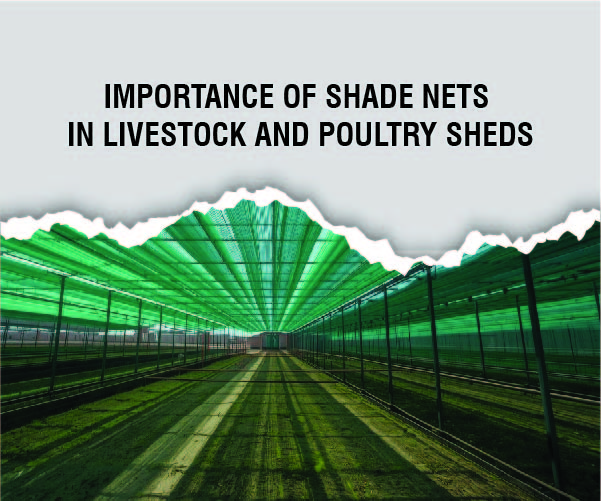
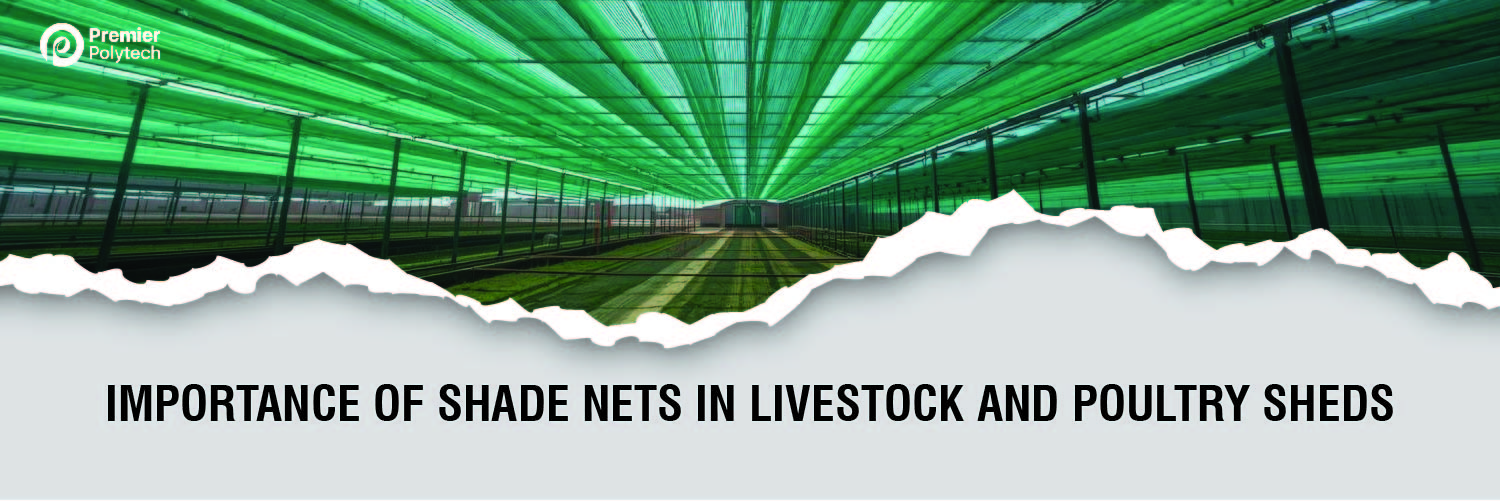
Shade Nets for Livestock & Poultry: Critical Role in Cooling, Welfare, & Production

Keeping Them Cool and Productive: The Critical Role of Shade Nets in Livestock and Poultry Welfare


Introduction: The Invisible Threat to Farm Productivity

In agricultural economics, the greatest unseen threat is often the weather. While we typically focus on feed costs and disease, the impact of heat stress on livestock and poultry can be devastating, leading to massive financial losses due to reduced feed intake, lower production, and increased mortality.

Heat stress occurs when an animal’s body temperature rises above its thermal comfort zone, forcing it to expend significant energy just to cool down. In extreme cases, this can be fatal.

The solution doesn’t always require expensive, high-tech climate control systems. For the modern farmer, the most effective and affordable defense against intense solar radiation is the strategic installation of Shade Nets.

More than just a cover, a well-chosen shade net acts as a crucial thermal shield, creating a stable, cooler microclimate indispensable for maintaining animal health, maximizing production, and ensuring compliance with modern animal welfare standards. This detailed guide explores how these essential tools are transforming the profitability and sustainability of livestock and poultry operations.

Part 1: Combatting Heat Stress in Dairy and Beef Cattle

Dairy cows and beef cattle are particularly susceptible to heat stress, especially high-yielding dairy breeds like Holstein-Friesians. Above a certain temperature-humidity index (THI), their production plummets.

1. Direct Temperature Reduction and Solar Shielding

The core function of the shade net is to block the direct thermal radiation from the sun.

  • The Problem: Direct sunlight can increase the effective temperature on the animal’s hide by several degrees, forcing the animal to pant heavily and shift blood flow away from vital organs (like the udder) to the skin for cooling.
  • The Shade Net Solution: Installing a 50% to 70% Shade Factor Net over feedlots, milking queues, and resting areas drastically cuts the solar heat load. Studies show that shade structures can reduce the radiant heat exposure by up to 50%, resulting in a measurable drop in the animals’ core body temperature and respiration rates. This immediate relief is crucial during peak summer hours.

2. Maintaining Feed Intake and Body Weight

The first sign of heat stress in cattle is a reduced appetite. Cows eat less to reduce the metabolic heat generated by digestion.

  • The Productivity Impact: For dairy cows, this translates to lower milk yield (which can drop by 10% to 30%). For beef cattle, it results in reduced daily weight gain (Average Daily Gain or ADG).
  • The Economic Benefit: By keeping the surrounding environment cooler, the shade net encourages cattle to maintain their normal feeding behavior. Shaded cattle consume more feed, leading to higher milk production (butterfat and protein content also improve) and better feed conversion efficiency in beef operations, directly boosting the farm’s profitability.

3. Enhancing Reproductive Performance

Heat stress has a profoundly negative effect on cattle fertility, leading to reduced conception rates and early embryonic death.

  • The Biological Link: Elevated body temperatures stress the reproductive system. Bulls suffer from reduced sperm quality, and cows struggle to conceive during and after a heat wave.
  • The Shade Net Advantage: Providing shade throughout the summer months is a key management strategy to maintain the cow’s internal homeostasis. By protecting them from hyperthermia, farmers can significantly improve breeding success rates and ensure a more predictable calving cycle.

Part 2: Optimizing the Environment in Poultry Sheds

Broilers (meat chickens) and layers (egg-laying hens) have an even narrower thermal comfort zone than cattle. Due to their feather insulation and lack of sweat glands, they rely heavily on panting, making them highly susceptible to fatal heatstroke.

1. Mortality Reduction and Health

Heat stress is a leading cause of mass mortality in poultry, particularly in open-sided or naturally ventilated sheds.

  • The Danger: Sheds without proper shading can experience a “greenhouse effect,” trapping heat and quickly raising the internal temperature above the critical $35^{circ}text{C}$ ($95^{circ}text{F}$) threshold.
  • The Shade Net Solution: Installing 50% to 60% Shade Nets on the roof and on the side walls (as curtains) blocks the sun’s direct rays while allowing sufficient airflow. This lowers the shed’s peak internal temperature, preventing widespread heatstroke and reducing overall mortality, which is a key metric for a poultry farm’s success.

2. Protecting Layer Production

For laying hens, heat stress directly impacts the quantity and quality of egg production.

  • The Quality Impact: High temperatures can cause hens to lay smaller eggs and, critically, eggs with thin or soft shells due to altered calcium metabolism. This severely reduces the market value of the batch.
  • The Productivity Impact: By stabilizing the shed temperature, shade nets ensure that the layers remain comfortable. Comfortable hens eat properly, maintaining calcium balance and resulting in a higher number of standard-sized eggs with robust shells, maximizing the number of Grade A products.

3. Improved Ventilation and Air Quality

The shade net structure helps in air movement, which is essential for removing heat and ammonia build-up.

  • Combined Strategy: When used as side curtains, the nets can be partially lifted to allow a controlled cross-breeze, facilitating air exchange. The shade itself keeps the air flowing into the shed cooler, enhancing the efficiency of natural ventilation and creating a healthier atmosphere that minimizes respiratory stress.

Part 3: Selecting the Right Shade Net and Installation

Choosing and installing the correct shade net is critical to realizing its full benefits.

Factor Cattle & Dairy Poultry & Broilers Rationale
Shade Factor 50% to 70% 50% to 60% Balances heat reduction with essential airflow and necessary light.
Color Black or Green Black or White White/Aluminet reflects more heat, offering superior cooling for highly insulated poultry.
Material UV-Stabilized HDPE (High-Density Polyethylene) UV-Stabilized HDPE (High-Density Polyethylene) Ensures durability against weather and animal contact.
Structure Height High enough (8-15 feet) to allow for air movement and prevent bunching. Installed directly on the roof and sides of the shed structure. Good height prevents heat from radiating immediately back onto the animals.
Orientation Ideally, placed to shade the area during the hottest part of the day (South and West sides). Full coverage over the roof and side-wall curtain systems. Maximizes protection against afternoon sun.

Conclusion: A Foundation for Modern, Profitable Farming

The use of high-quality shade nets in livestock and poultry farming is no longer an optional upgrade; it is a foundational climate management practice.

By shielding animals from the destructive force of solar radiation, shade nets directly address the physiological and economic consequences of heat stress. They are a cost-effective, durable, and highly impactful investment that translates into:

Higher Feed Intake = Increased Milk / Meat / Egg Yield = Greater Profitability

For any farmer aiming for sustained production efficiency, improved animal welfare, and superior product quality, incorporating a robust shade net system is the smartest decision one can make in preparation for the inevitable summer heat.

Frequently Asked Questions (FAQ)

Q1. What is the ideal shade percentage for a dairy cattle shed?

The ideal shade percentage for dairy cattle typically ranges from 50% to 70%. This range provides a substantial reduction in radiant heat without creating excessive darkness. In very extreme climates, a heavier net (up to 75%) may be considered, but 50-60% is often the sweet spot, allowing good airflow while maintaining a cool environment.

Q2. How does heat stress affect milk production in cows?

Heat stress dramatically reduces milk production in three key ways:

  1. Reduced Feed Intake: The cow eats less to decrease metabolic heat. Less feed means less energy for milk production.
  2. Redirected Energy: Energy that would normally go toward milk production is instead used for cooling mechanisms (like panting).
  3. Hormonal Changes: Heat stress triggers hormonal changes that directly interfere with milk synthesis in the udder.

Q3. Should I use a black, green, or white shade net for my poultry farm?

While black and green nets are common, white (or Aluminet/reflective) shade nets are often superior for poultry sheds. White and reflective nets block the sun’s rays primarily by reflection, preventing heat from building up on the net’s surface. This results in a cooler air temperature immediately beneath the net compared to black nets, which block light by absorption, retaining some heat.

Q4. Does the shade net help protect animals in cold weather too?

Yes, indirectly. While their primary function is cooling, the dense netting acts as an effective windbreak. By reducing the wind chill factor during cold months, the nets help the animals conserve body heat, reducing the energy they need to spend to stay warm and further contributing to overall welfare.

Q5. Besides shade nets, what other simple measure should I take to prevent heat stress on my farm?

The most critical and non-negotiable step is ensuring unlimited access to fresh, cool water. In hot weather, water consumption increases exponentially. Ensure water trough capacity is sufficient for peak demand, and that the troughs are clean and easily accessible, especially in shaded areas.

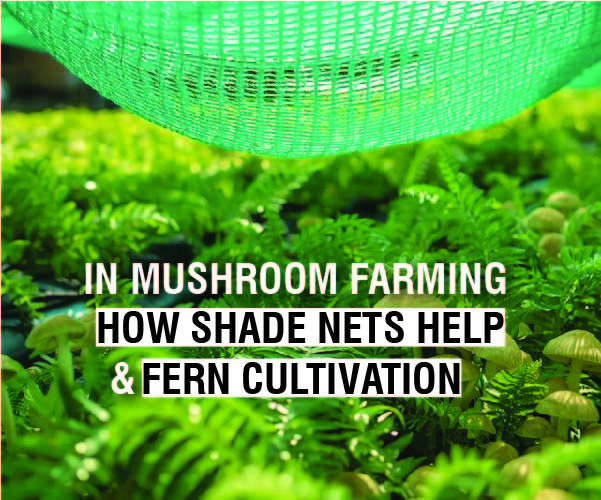
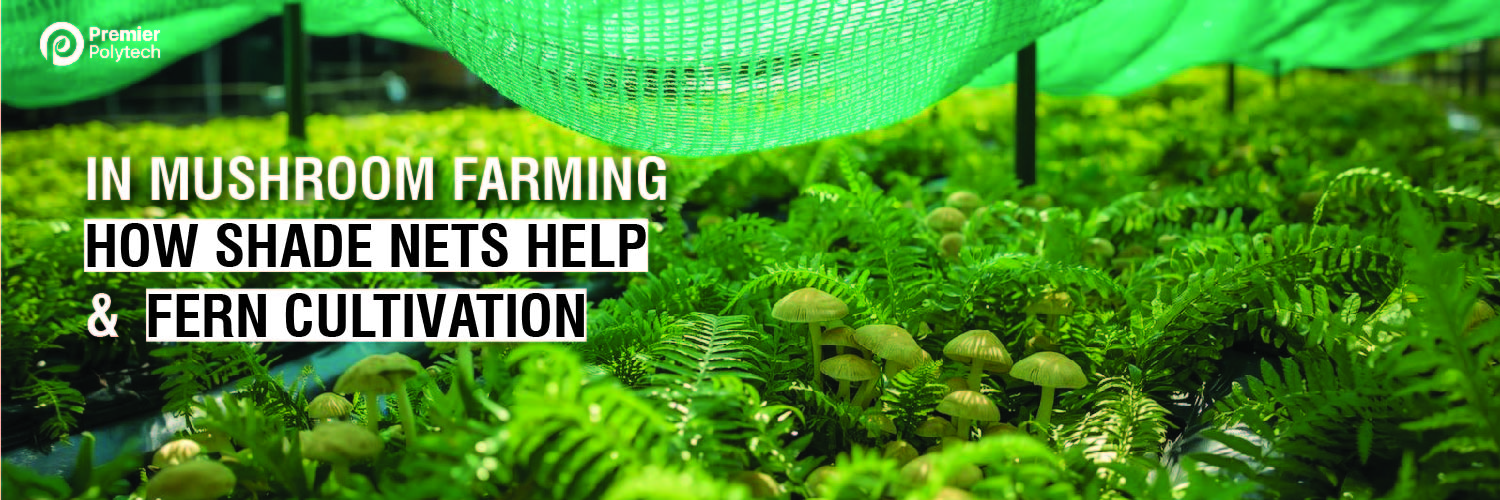
Shade Nets for Mushrooms & Ferns: Mastering the Microclimate

The Dark Art of Growing: How Shade Nets Master the Microclimate for Mushrooms and Ferns


Introduction: The World of Low Light, High Reward

When we think of farming, we typically imagine fields bathed in bright sunlight. However, two of the most popular and commercially lucrative crops—mushrooms and ferns—thrive in the exact opposite environment: a cool, damp, and dimly lit world that mimics the forest floor.

Achieving this delicate, specific microclimate is the single greatest challenge in their cultivation. For modern commercial growers, the simple yet powerful solution lies in the strategic use of Shade Nets.

These high-density polyethylene (HDPE) knitted nets are not just about blocking light; they are sophisticated tools for environmental engineering. This guide will deep-dive into the critical functions of shade nets, explaining precisely how they enable the successful, large-scale production of both humidity-loving mushrooms and light-sensitive ferns.

Part 1: Mushroom Cultivation – The Perfect Fungi Fruiting Environment

Mushrooms, being fungi, do not perform photosynthesis and do not need direct sunlight to grow. In fact, most gourmet and medicinal varieties like Oyster, Shiitake, and Button mushrooms require a dark environment for the vegetative growth phase (mycelium run) and a highly controlled environment during the fruiting phase (mushroom formation).

The shade net addresses three non-negotiable requirements for successful mushroom production:

1. Controlling Light for Pinning and Quality

While mycelium growth occurs best in the dark, most mushrooms require a small “kick” of light (known as the pinning trigger) to initiate the formation of the actual fruit body.

  • The Problem: Direct, intense light generates heat and can desiccate (dry out) the vulnerable mushroom pins, leading to low yield and poor quality.
  • The Shade Net Solution: Installing a High-Density Shade Net (80% to 90% shade factor) outside the mushroom shed or low tunnel provides just the right level of ambient light. This diffused, low-intensity light encourages uniform pinning and helps in maintaining the correct cap and stem morphology, which is crucial for market-grade mushrooms.

2. Mastering the Critical Humidity Factor

Mushrooms are composed of up to 90% water. Their growth rate and size are directly linked to the relative humidity (RH) of the surrounding air. They thrive in environments of 85% to 95% RH.

  • The Problem: In outdoor or semi-outdoor setups, high temperatures cause rapid evaporation, drying out the substrate blocks and preventing the formation of large, healthy mushrooms.
  • The Shade Net Solution: The netting acts as a vapor barrier and heat shield. By blocking solar radiation, it significantly lowers the ambient temperature (often by $5^{circ}text{C}$ to $10^{circ}text{C}$). This temperature reduction drastically reduces the rate of evaporation, allowing the moisture from watering or humidifiers to remain in the air, stabilizing the high RH required for a successful harvest.

3. Temperature Regulation (Cooling Effect)

Unwanted heat is the primary enemy of mushroom growers, as high temperatures can kill the sensitive mycelium or trigger the growth of competing molds and bacteria.

  • The Shade Net Solution: The dense shade net house (often a single or double-layered structure) creates a cool, damp microclimate. This natural cooling, combined with proper ventilation, helps keep the internal temperature within the optimal range of $15^{circ}text{C}$ to $25^{circ}text{C}$ (depending on the species), preventing heat stress and ensuring biological efficiency.

Part 2: Fern Cultivation – Replicating the Rainforest Canopy

Ferns—from the delicate Maidenhair to the robust Boston fern—are classic shade-loving plants. In nature, they grow beneath the dense canopy of trees, receiving filtered light, protection from wind, and continuous high humidity.

For commercial fern cultivation, the shade net serves as the artificial “tree canopy,” controlling the three key environmental stressors: light, heat, and moisture.

1. Preventing Sunburn and Frond Damage (Light Intensity)

Direct, unfiltered sunlight will quickly scorch and permanently damage the delicate fronds of most fern varieties, turning the vibrant green leaves brown and unmarketable.

  • The Problem: Exposing ferns to harsh mid-day sun results in irreparable tissue damage and plant stress.
  • The Shade Net Solution: Ferns require High Shade Factors (60% to 80% Black or Green Nets). This intense shading effectively filters out the harmful UV and high-intensity visible light, leaving only the soft, ambient light they need. The ideal light condition is Bright, Filtered Light, which a well-chosen net perfectly delivers.

2. Reducing Water Evaporation and Transpiration Stress

Ferns are susceptible to drying out because they lack the thick, waxy cuticle found on sun-loving plants. Maintaining soil and air moisture is paramount.

  • The Problem: High solar radiation drives up the rate of transpiration (water loss through leaves) and evaporates soil moisture rapidly, forcing growers to water constantly and inefficiently.
  • The Shade Net Solution: By cutting down light intensity and temperature, the shade net significantly reduces the evaporative demand on the plants. This allows the roots to absorb water at a steady, manageable pace, prevents the wilting of fronds, and lowers the overall water requirement, making cultivation more sustainable and less labor-intensive.

3. Creating Stable Temperature and Humidity

Like mushrooms, ferns require a stable, slightly cooler environment, often thriving in temperatures between 18’C and 26’C.

  • The Shade Net Solution: The net structure traps some of the moisture, elevating the relative humidity around the plant canopy (the microclimate), while also preventing sudden temperature spikes. This creates the humid, cool, and stable atmosphere of the deep forest, minimizing stress and maximizing the lush, vibrant growth that customers demand.
Factor Mushroom Cultivation (Fruiting Sheds) Fern Cultivation (Nursery/Greenhouse)
Shade Factor 80% – 90% (To create near-dark conditions with minimal light trigger) 60% – 80% (To replicate a dense, filtered tree canopy)
Color Preference Black (Maximum light and heat absorption/blockage) Green or Black (Green is often preferred for a natural aesthetic and subtle light spectrum shift)
Weave Type Mono-Mono or heavy Tape-Tape (Focus on high density) Mono-Mono (For long-term durability and superior light diffusion)
Primary Benefit Humidity Stabilization and Heat Exclusion Sunburn Prevention and Water Conservation

Conclusion: The Essential Environmental Regulator

In the specialized fields of mushroom and fern cultivation, the shade net transitions from a simple piece of cloth to an essential component of the business plan. Its ability to create and stabilize the non-negotiable cool, humid, and low-light microclimate directly translates into higher yields, better product quality, lower operating costs (less watering), and reduced crop loss from heat stress or sun damage.

For the modern cultivator seeking to master these lucrative but delicate crops, the strategic implementation of a high-quality, appropriately rated shade net is not just an expense—it is a mandatory and highly rewarding investment.

Frequently Asked Questions (FAQ)

Q1. Can I use the same shade net for both mushroom and fern cultivation?

While possible, it is not optimal. Mushroom fruiting sheds typically require higher shade (80%-90%) to achieve near-dark conditions. Ferns usually require 60%-80% shade. A net too dark for ferns will stunt their growth, and a net too light for mushrooms may cause them to dry out or fail to pin correctly. You should select the shade factor based on the specific crop’s needs.

Q2. Is a black or green shade net better for mycology (mushroom growing)?

Black shade nets are generally preferred for mushroom fruiting. Black nets absorb and block the maximum amount of solar radiation, resulting in the greatest reduction in heat and light intensity. Since mushrooms primarily need high humidity and darkness, the black net’s superior blocking ability is advantageous.

Q3. How does the shade net specifically help with humidity in a mushroom shed?

The shade net helps in two ways:

  1. Lowering Air Temperature: By blocking sunlight, the net keeps the air inside the shed significantly cooler. Cooler air can hold more moisture before it feels “saturated.”
  2. Reducing Evaporation: The lower temperature drastically reduces the rate at which water evaporates from the mushroom substrate (compost or blocks) and the surrounding air, effectively stabilizing the high relative humidity required for large, healthy mushroom formation.

Q4. What happens if ferns get too much light, even if it’s indirect?

If the light intensity is too high, the delicate fronds of the fern will suffer from sun scorch or burn. This appears as brown, crispy patches on the leaves. While the plant may survive, the damaged fronds are unmarketable, and the plant’s overall health and aesthetic value are severely diminished.

Q5. Do I need a full greenhouse structure to use a shade net for ferns or mushrooms?

No. While a polyhouse or greenhouse offers the most control, shade nets are highly effective when used on low tunnels, hoop houses, or simple wooden/bamboo frame structures over the crop area. For mushrooms, the net is often draped over a simple, ventilated shed structure to block light from the sides and top.

Mono-Tape vs. Mono-Mono Shade Nets: Critical Differences, Uses, & Durability

Mono-Tape vs. Mono-Mono Shade Nets: The Critical Difference in Nursery and Greenhouse Management


Introduction: The Hidden Science in Your Shade Cloth

In high-tech horticulture, even the smallest detail, such as the weave pattern of a shade net, can have a profound impact on crop health, longevity of the material, and your overall return on investment.

Many growers are familiar with the basic concepts of Shade Percentage and Color, but the true performance of a knitted HDPE shade net hinges on its fundamental structure: the yarn composition. When you shop for quality shade nets, you will frequently encounter two specific weaving structures: Mono-Tape (Monofilament-by-Tape) and Mono-Mono (Monofilament-by-Monofilament).

These seemingly technical terms represent two distinct philosophies of light diffusion, strength, and air permeability. Choosing the wrong type can compromise the microclimate of your greenhouse or nursery. This ultimate guide breaks down the critical differences between Mono-Tape and Mono-Mono shade nets to help you make an informed, data-driven decision for your valuable plant stock.

The Foundation: Understanding Shade Net Yarn

All premium agricultural shade nets are knitted from High-Density Polyethylene (HDPE), chosen for its UV resistance, chemical inertness, and strength. The “weave” is determined by the type of HDPE yarn used in the Warp (vertical strands) and Weft (horizontal strands).

1. Monofilament (Mono) Yarn

  • Structure: A single, strong, round or oval-shaped plastic thread, similar to a fishing line.
  • Properties: Extremely high tensile strength, minimal stretching, superior resistance to wind, hail, and friction (rubbing against the frame). Provides excellent structural integrity.
  • Function: Primarily used for strength and durability.

2. Tape (Flat) Yarn

  • Structure: A thin, flat plastic ribbon or tape, resembling a flattened piece of cellophane.
  • Properties: Excellent covering ability, lightweight, and economical. It blocks light very efficiently for its weight.
  • Function: Primarily used for efficient shading and cost-effectiveness.

Weave Comparison: Mono-Tape vs. Mono-Mono

The names of these nets tell the whole story of their construction. The first yarn type is typically the Warp (vertical/strength), and the second is the Weft (horizontal/shading).

FeatureMono-Mono Net CharacteristicsBest Suited For…ConstructionMonofilament yarn used in both Warp and Weft.Maximum Durability & Longevity.Strength & LongevityHighest tear strength and longest lifespan. Can last 7-10+ years. The robust structure withstands extreme weather (high wind, heavy hail).Permanent Structures: Commercial greenhouses, high-wind zones, valuable crops where replacement is costly (orchids, tissue culture).Light DiffusionSuperior Light Diffusion. The round threads scatter light more effectively, ensuring uniform light reaches the lower leaves.High-Value Nurseries: Propagation houses, seedlings, and crops requiring uniform light for high-quality production.Airflow & WeightExcellent airflow due to the less “dense” physical shape of the round yarn. Slightly heavier GSM.Hot, Humid Climates: Where maximum ventilation is needed to prevent fungal disease.CostHigher Initial Cost due to the specialized, higher-grade monofilament yarn.Growers prioritizing a long-term investment and minimal maintenance.

The Practical Implication: Choosing the Right Net for Your Purpose

The decision between Mono-Tape and Mono-Mono is not about which is “better,” but which is appropriate for your specific growing environment and budget.

1. For Durability and Extreme Weather (Choose Mono-Mono)

If your nursery or greenhouse is located in an area prone to high winds, hail, or heavy snow/ice loads, the superior tensile strength and non-stretch characteristics of a Mono-Mono net are essential. Its structural integrity minimizes the risk of catastrophic failure, protecting both the net and your entire crop. While the initial investment is higher, the extended lifespan (up to double that of Mono-Tape) results in a lower cost-per-year.

2. For Uniform Growth and Quality (Choose Mono-Mono)

High-value crops like tropical ornamentals, delicate flowers, and propagation seedlings benefit immensely from superior light diffusion. The Mono-Mono net’s round threads scatter light more evenly, reducing harsh shadows and hot spots. This ensures that every part of the plant receives consistent light, promoting uniform, non-stretching (non-etiolated) growth—a critical factor for market quality.

3. For Cost-Effective and Temporary Use (Choose Mono-Tape)

If you are setting up a seasonal shading area, a temporary structure, or are working with a tighter budget, the Mono-Tape net offers an excellent balance of shade effectiveness and cost. It’s perfect for temporary shading of leafy greens in the summer or as a second-layer inner shade screen. The monofilament warp yarn still provides sufficient basic strength for moderate conditions.

Final Verdict: The Smart Investment

For the commercial grower focused on longevity, minimal maintenance, and consistent high-quality crop production, the Mono-Mono Shade Net is the clear long-term winner. Its structural superiority and light-diffusion properties provide a more stable and higher-performing microclimate.

For the budget-conscious grower or those with temporary or seasonal needs, the Mono-Tape Shade Net is a highly effective, economical choice that offers excellent protection for its price point.

Ultimately, understanding the “Mono-Tape vs. Mono-Mono” difference empowers you to move beyond simple shading percentage and choose the precise engineering required to optimize the performance of your entire nursery or greenhouse system.

Frequently Asked Questions (FAQ)

Q1. What does ‘Mono-Tape‘ (Tape X Mono) specifically mean in a shade net?

It refers to the materials used in the knitting process: Monofilament (Mono) yarn is used in the warp (lengthwise/vertical) direction for strength, and Flat Tape yarn is used in the weft (widthwise/horizontal) direction for efficient shading. This combination creates a balance between durability and cost-effective light blocking.

Q2. Which type of net is better for windy areas, Mono-Tape or Mono-Mono?

Mono-Mono Shade Nets are significantly better for windy areas. The monofilament yarn in both the warp and weft directions gives the net superior tensile strength and tear resistance. This means it stretches less and is less likely to suffer structural damage from constant flapping and high-speed winds.

Q3. Does the weave type affect the shade percentage?

No. The weave type (Mono-Tape or Mono-Mono) does not determine the shade percentage. The shade percentage (e.g., 50% or 75%) is controlled by the density of the knitting (how tightly the threads are packed) and the thickness of the individual yarns, regardless of whether they are round (Mono) or flat (Tape).

Q4. Which net offers better light diffusion for plant growth?

Mono-Mono Shade Nets offer better light diffusion. The round monofilament threads act like tiny lenses, scattering the incoming light more uniformly across the canopy. This diffused light penetrates deeper, reaching lower leaves and reducing leaf burn, which promotes a more homogenous and healthier plant structure.

Q5. Are Tape-Tape nets still available, and how do they compare?

Yes, Tape-Tape nets (Tape yarn in both warp and weft) are still available but are considered the most basic and least durable option. They are highly economical but offer the lowest lifespan, poor resistance to wind/hail, and the least light diffusion. They are primarily used for very temporary or non-critical applications.