Shade Net Selection for Optimal Plant Growth

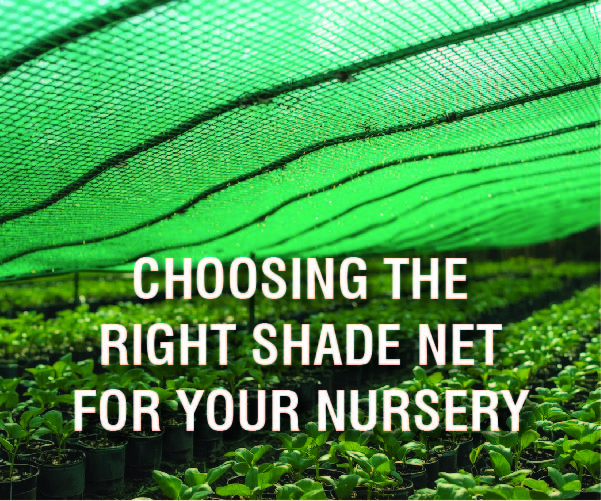
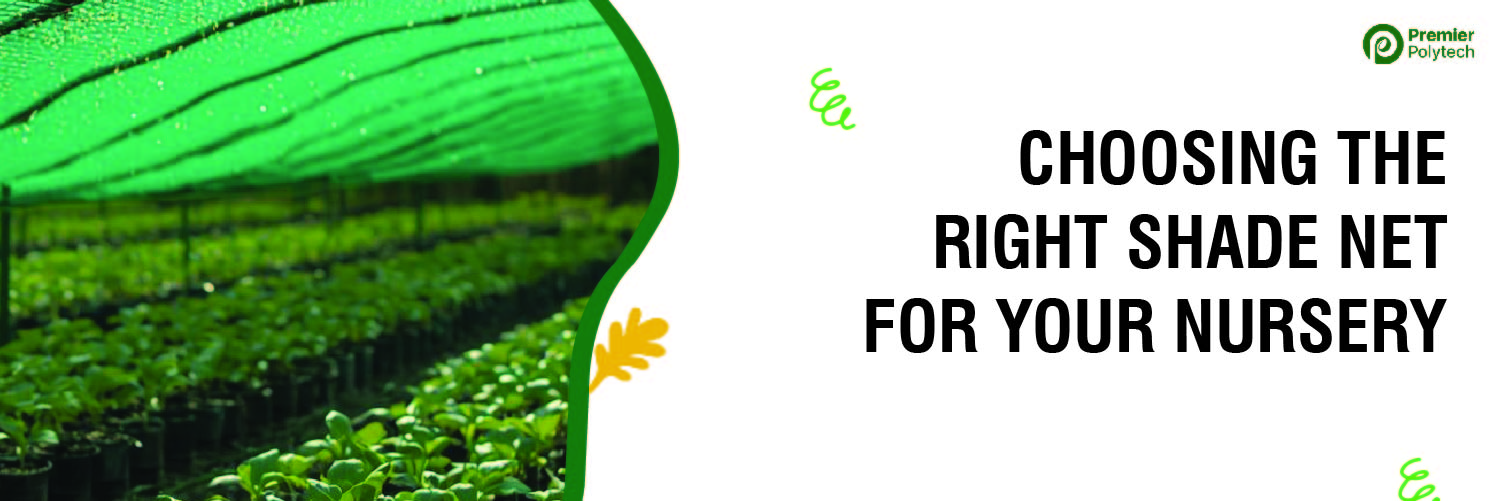
Choosing the Right Shade Net for Your Nursery: The Ultimate Guide to Plant Health


Introduction: Why Shade Nets are Essential for Your Nursery

A shade net, often referred to as a shade cloth, is much more than just a piece of fabric. In the world of horticulture and nursery management, it is a critical tool for creating an optimal microclimate, especially in regions with intense sunlight and high temperatures. For young, tender seedlings and sensitive ornamental plants, direct exposure to harsh sun and UV rays can be catastrophic, leading to sunburn, water stress, and ultimately, plant death.

The primary function of a shade net is to regulate light intensity, control temperature, and reduce water evaporation, thereby creating a protective, nurturing environment where delicate plants can thrive. However, a single “one-size-fits-all” shade net does not exist. The wrong net can be as detrimental as no net at all, hindering growth by blocking too much essential light. This guide provides a comprehensive breakdown to help you select the perfect shade net for your specific nursery needs.

The Foundation: Understanding Shade Net Percentage (Density)

The most crucial factor in selecting a shade net is its shade percentage or density. This number indicates the percentage of sunlight the net is designed to block. Consequently, a higher percentage means less light reaches your plants.

Shade PercentageLight PenetrationIdeal Application in Nursery 30% – 50% High (50% – 70% light)Sun-loving plants, hardy seedlings, some vegetables (e.g., tomatoes, peppers, early-stage flowering plants). Offers mild sun protection and windbreak.50% – 75%Medium (25% – 50% light)General nursery use, most ornamental plants, saplings, and established potted plants. Excellent for balancing protection and necessary light. This is the most common choice for versatile nurseries.75% – 90%Low (10% – 25% light)Shade-loving plants (e.g., ferns, orchids, Anthuriums), sensitive foliage, and during periods of extreme summer heat. Also used for screening in poultry farms or construction.

Key Takeaway: Always determine the light requirement of your most sensitive plants first. For a mixed nursery, a 50% or 75% shade net is often the practical and safe middle ground.

The Influence of Shade Net Color

While the percentage blocks the quantity of light, the color of the shade net affects the quality (spectrum) of light that reaches the plants, as well as heat management.

  • Green Shade Net: The most traditional and popular choice. It filters light naturally, blending well with the plant foliage. Green is often chosen for general-purpose nurseries and offers a balanced environment, promoting good growth for a wide variety of plants.
  • Black Shade Net: Offers the maximum shading and temperature reduction. It absorbs heat. Black nets are highly effective in very hot climates but can sometimes lead to excessive heat build-up underneath if ventilation is poor.
  • White/Pearl Shade Net: Highly reflective. It reflects excess sunlight and heat away, making the area beneath significantly cooler than with black or green nets. This is ideal for sensitive, heat-stressed plants and in extremely hot regions.
  • Red/Blue/Other Chromatic Nets: These are specialized nets used in advanced horticulture (photoselective netting). They manipulate the light spectrum to influence specific growth characteristics, such as accelerating flowering (Red) or promoting vegetative growth (Blue). They are typically used only for specific crop research or high-value cultivation.

Material and Weave: Durability and Functionality

The material and weave of the shade net dictate its lifespan, strength, and air permeability.

1. Material: HDPE is King

The industry standard for durable, long-lasting shade nets is High-Density Polyethylene (HDPE).

  • UV Stabilization: Ensure your chosen HDPE net is UV-stabilized. Sunlight breaks down regular plastic, causing it to become brittle and tear. A quality UV-stabilized net can last from 5 to 10 years, offering a better return on investment.
  • Water Permeability: HDPE shade nets are typically water-permeable, meaning rainwater and irrigation can pass through, preventing water pooling and potential structural damage.

2. Weave Type: Knitted vs. Woven

FeatureKnitted Shade Net (Raschel Weave)Woven Shade NetMaterialHDPE (Monofilament or Tape)Polypropylene or HDPE TapesDurabilityExcellent. Resists tearing and will not unravel if cut.Good, but can unravel if cut (requires edge taping).WeightLightweight and flexible.Heavier and stiffer.AirflowExcellent air circulation and heat dissipation.Lower airflow, can lead to slightly more heat build-up.Best ForGeneral nurseries, greenhouses, and areas with moderate to high wind. Highly recommended.Temporary covers, specific applications requiring a very flat profile.

For most nursery applications, the Knitted HDPE Shade Net is the superior choice due to its durability, resistance to fraying, and excellent air permeability.

Key Factors to Consider Before Purchase

Before finalizing your shade net order, assess these critical factors:

  1. Local Climate:
  2. Type of Plants (Crop Requirement):
  3. Structure and Installation:
    • Height: Install the net with sufficient height (at least 7-10 feet) to allow for good airflow underneath. Poor ventilation traps heat and humidity, encouraging fungal diseases.
    • Tension: The net must be stretched taut over a robust frame (metal, bamboo, or wood) to prevent flapping in the wind, which can damage the material and the underlying plants.
  4. UV Protection: A good shade net should offer protection not just from sun intensity, but also from harmful Ultraviolet (UV) radiation, which can scorch leaves and damage plant DNA. Always verify the UV stabilization of the product.

Conclusion: Nurturing Growth with the Right Choice

Choosing the right shade net for your nursery is a strategic investment in the health, quality, and profitability of your plant stock. It is a decision that requires balancing light requirements, local climate severity, and the practical needs of durability and installation. By understanding the core principles of shade percentage, color, and material (HDPE), you can create a perfectly calibrated environment – a “sweet spot” microclimate – that protects your delicate plants and ensures robust, healthy growth for years to come.

Frequently Asked Questions (FAQ)

Q1. What is the most common shade net percentage used in a general nursery?

The most common and versatile shade net percentage for a general nursery growing a mixed variety of ornamental plants, saplings, and potted stock is 50% to 75%. This range offers an excellent balance between necessary light for photosynthesis and protection from midday heat and UV rays.

Q2. Does the color of the shade net affect the temperature underneath?

Yes, significantly. Dark colors like Black or Green absorb more solar heat, which provides maximum shading but can lead to heat build-up underneath if airflow is poor. Light colors, particularly White or Pearl, reflect more light and heat, making the area beneath the net considerably cooler—an excellent choice for very hot, arid regions.

Q3. Is it better to choose a Knitted or a Woven shade net?

For long-term nursery use, Knitted HDPE Shade Nets are generally recommended. They are made from UV-stabilized HDPE, resist tears, do not unravel when cut, and allow for excellent air circulation, which is crucial for preventing heat stress and fungal diseases in plants.

Q4. Can I leave the shade net up all year round?

In most tropical or subtropical regions, shade nets are kept up year-round. However, if you live in a region with distinct seasons, it is often best to remove a high-density net (e.g., 75%) during winter or cloudy seasons to ensure plants receive maximum available sunlight, as insufficient light can lead to weak, ‘leggy’ growth.

Q5. How do I prevent heat from building up under the shade net?

Heat build-up is primarily prevented by ensuring proper ventilation.

  1. Install the net with sufficient height (7-10 feet) to allow air movement.
  2. Avoid draping the net directly onto the plants.
  3. Ensure open side walls or use roll-up side panels to allow hot air to escape and cool air to enter.
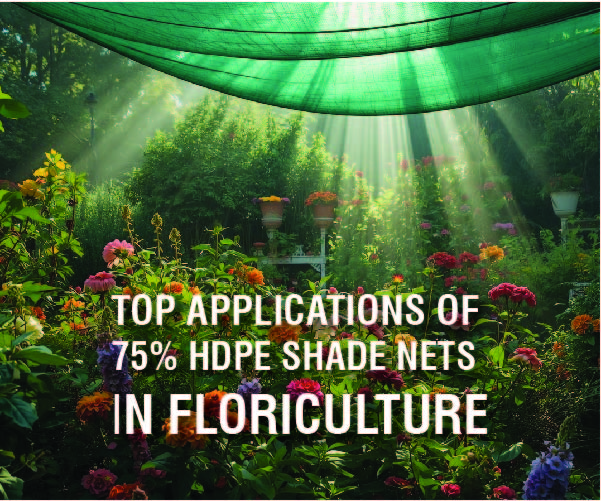
Top Applications of 75% HDPE Shade Nets in Floriculture | Premier Polytech

Top Applications of 75% HDPE Shade Nets in Floriculture


Introduction

Floriculture – the art and science of cultivating flowers — is one of the fastest-growing segments in modern agriculture. With rising demand for fresh, colorful, and long-lasting flowers, maintaining quality and consistency in production is a top priority for growers.

However, the challenge lies in protecting delicate flowers from extreme sunlight, heat, rain, and pests – all of which can affect their color, fragrance, and overall health. The solution? 75% HDPE Shade Nets.

At Premier Polytech, we manufacture high-quality HDPE (High-Density Polyethylene) Shade Nets designed to create the perfect microclimate for flower cultivation. A 75% shade net provides the ideal balance of light and protection that floriculture demands.

Let’s explore how these shade nets transform flower farming and why they’re essential for professional floriculturists.

What is a 75% HDPE Shade Net?

A 75% HDPE shade net blocks around 75% of direct sunlight, allowing 25% to pass through. This shading level is ideal for flowers and ornamental plants that require diffused light rather than harsh, direct rays.

Made from UV-stabilized HDPE polymer, these nets are durable, lightweight, and weather-resistant, ensuring long-lasting protection for crops throughout the year.

Key Features:

Blocks 75% sunlight for controlled light exposure

UV-stabilized and tear-resistant

Reduces temperature by 6°C to 10°C

Prevents excessive evaporation and wind damage

Available in multiple colors (green, black, white, red)

Why Floriculture Needs 75% Shade Nets

Flowers are extremely sensitive to environmental stress. Too much sunlight can cause fading, petal burns, or uneven blooming. On the other hand, too little sunlight can reduce flower size and delay growth.

That’s why 75% HDPE Shade Nets are the perfect solution – they provide controlled light, consistent temperature, and protection from environmental damage, allowing flowers to bloom beautifully and uniformly.

Top Applications of 75% HDPE Shade Nets in Floriculture

Here are the major ways in which 75% shade nets benefit flower cultivation:

1. Controlled Sunlight for Vibrant Blooms

Most flowering plants, such as Gerbera, Anthurium, Orchids, and Chrysanthemums, require filtered light rather than harsh direct sunlight.

The 75% HDPE shade net diffuses sunlight evenly across the growing area, preventing leaf burn and maintaining natural color intensity in petals.

Result: Richer colors, better petal texture, and longer vase life.

2. Temperature and Humidity Management

Temperature plays a key role in flowering and fragrance development. During summer, direct sunlight can increase greenhouse temperature drastically.

75% HDPE shade nets act as a natural temperature regulator, keeping the environment cooler by 6–10°C and maintaining consistent humidity levels — crucial for delicate flowers.

Ideal for roses, carnations, and lilies, which thrive in moderate temperatures.

3. Protection from Rain, Wind, and Dust

Flowers are delicate — even moderate wind or rain can damage petals, stems, and pollen structure.

HDPE shade nets provide a strong barrier against:

Heavy rainfall, reducing water splash damage

Wind gusts, preventing stem breakage

Dust and debris, keeping the blooms clean

This protection helps ensure healthy, market-ready flowers with minimal physical damage.

4. Pest and Bird Control

Birds often peck on flower buds and fruits, while pests such as aphids and thrips can spread disease. A 75% shade net acts as a physical shield, blocking entry while allowing natural airflow.

This minimizes the need for pesticides, resulting in eco-friendly and chemical-free flowers.

Pro Tip: Combine shade nets with organic pest traps for even better results.

5. Enhanced Growth and Extended Blooming Period

Shade nets allow floriculturists to extend the growing season by creating an ideal environment even during extreme weather. Flowers bloom longer, and plants remain healthy for extended cycles.

This is particularly useful for commercial flower farms that supply to events, hotels, and export markets where continuous production is crucial.

6. Improved Seed Germination and Propagation

In the nursery stage, young seedlings are extremely sensitive to light and heat. The 75% shade net creates a stable microclimate that enhances seed germination and root development.

Result: Stronger seedlings, faster propagation, and better survival rate after transplantation.

7. Ideal for Greenhouses and Polyhouses

In commercial floriculture setups, such as greenhouses or polyhouses, 75% shade nets are widely used as the top and side covering material.

They help maintain ideal growing conditions throughout the year and can be combined with drip irrigation or mist systems for maximum efficiency.

Perfect for: Controlled-environment farming and export-quality flower production.

8. Energy Efficiency and Sustainability

By providing natural shading and ventilation, 75% HDPE shade nets reduce the need for artificial cooling systems. This saves energy, lowers operational costs, and contributes to sustainable flower farming.

Premier Polytech’s nets are also recyclable, supporting eco-conscious growers who aim for greener cultivation methods.

Popular Flowers Grown Under 75% Shade Nets

Flower Type Ideal Growing Condition
Gerbera Requires diffused light and moderate humidity
Anthurium Grows best under 70–80% shade
Orchid Sensitive to sunlight; thrives under 75% shade
Chrysanthemum Prefers cool and shaded environments
Carnation Needs controlled light and temperature
Lily Sensitive to direct sun; ideal under 75% shade

Why Choose Premier Polytech for Shade Nets in Floriculture?

Premier Polytech is one of India’s most trusted names in agricultural protection products. Our HDPE shade nets are designed to meet the unique needs of floriculture and nursery farming.

Why Farmers Prefer Premier Polytech:

UV-stabilized HDPE material for durability

Consistent shading (30%, 50%, 75%, 90%) for different crops

Tear-resistant, weatherproof, and reusable

Available in multiple colors and custom sizes

Eco-friendly & recyclable materials

Our 75% shade nets are engineered to enhance flower quality, reduce damage, and increase yield — making them the first choice of modern floriculturists.

Installation & Maintenance Tips

To maximize the benefits of your 75% shade net:

Install securely using galvanized pipes or PVC-coated frames.

Maintain 8–10 feet height for good airflow and light diffusion.

Clean regularly with water to remove dust and debris.

Inspect for tears or loose fittings periodically.

Adjust shading seasonally based on sunlight intensity.

Proper installation ensures even coverage, longer net life, and maximum flower protection.

FAQs About 75% HDPE Shade Nets in Floriculture

Q1: Why is 75% shading ideal for flowers?
A1: Flowers need diffused sunlight and moderate heat. 75% shade nets offer the perfect balance between protection and light penetration.

Q2: Can I use the same net for both nursery and flowering stages?
A2: Yes, 75% nets can be used for both — they provide stable conditions for seedlings and blooming plants alike.

Q3: How long do Premier Polytech’s shade nets last?
A3: Our UV-stabilized HDPE shade nets typically last 5 to 8 years, even under harsh weather conditions.

Q4: Are these nets available in custom sizes?
A4: Yes, Premier Polytech offers customized sizes and shading options to suit your greenhouse or open field.

Q5: Do shade nets improve flower quality?
A5: Absolutely! Shade nets ensure even growth, vibrant colors, and prolonged blooming by protecting plants from stress.

Conclusion

In the world of floriculture, where beauty and precision matter most, 75% HDPE Shade Nets have become an indispensable tool. They protect flowers from harsh sunlight, maintain ideal temperature, and encourage consistent blooming — ensuring superior quality and longer shelf life.

At Premier Polytech, we take pride in supporting flower growers with premium-grade, eco-friendly, and durable HDPE shade nets. Whether you manage a greenhouse, nursery, or open-field farm, our shade solutions guarantee healthier plants and happier blooms.

Choose Premier Polytech’s 75% HDPE Shade Net — because every flower deserves perfect protection.

How 50% HDPE Shade Nets Protect Crops Effectively | Premier Polytech

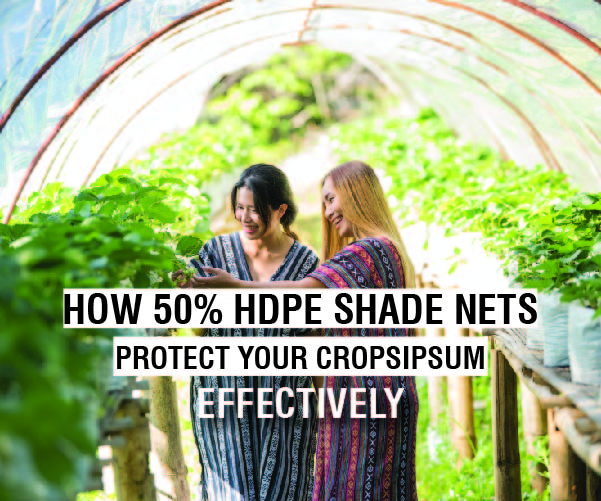
How 50% HDPE Shade Nets Protect Crops Effectively

Introduction

In modern agriculture, crop protection is just as important as crop cultivation. Farmers across India are increasingly facing challenges like unpredictable weather, excessive heat, heavy rains, and pest attacks. These environmental stresses can significantly affect crop quality and yield.

One effective and affordable solution to overcome these challenges is the 50% HDPE Shade Net — a product that provides just the right amount of sunlight, temperature control, and protection your crops need to thrive.

At Premier Polytech, we specialize in manufacturing high-quality HDPE (High-Density Polyethylene) shade nets designed for Indian farming conditions. Let’s explore how a 50% shade net works and why it’s the perfect choice for protecting your crops effectively.

What is a 50% HDPE Shade Net?

A 50% HDPE shade net means that the net blocks 50% of sunlight while allowing the remaining 50% to pass through. This balance ensures that plants receive adequate light for photosynthesis while being shielded from excessive heat and UV radiation.

Made from UV-stabilized High-Density Polyethylene, these nets are lightweight, durable, and resistant to tearing, weathering, and chemicals.

Key Features of 50% HDPE Shade Nets:

UV-stabilized for long-lasting performance

Provides 50% light filtration

Reduces heat stress and evaporation

Tear-resistant and easy to install

Available in multiple colors (green, black, white, etc.)

Why 50% HDPE Shade Nets are Ideal for Crop Protection

Let’s understand how 50% shade nets help farmers protect their crops more efficiently and sustainably.

1. Balanced Sunlight for Better Photosynthesis

Sunlight is essential for plant growth, but too much of it can be harmful. Direct exposure can burn leaves, reduce chlorophyll activity, and slow down photosynthesis.

A 50% HDPE shade net filters sunlight to an optimal level, allowing just the right intensity for photosynthesis without damaging delicate plants.

Result: Healthy growth, greener leaves, and improved crop quality.

2. Reduces Heat Stress and Controls Temperature

During peak summer, high temperatures can cause plants to wilt or stop growing altogether. Shade nets act as a natural cooling layer, reducing the ambient temperature by 4°C to 8°C, depending on environmental conditions.

This temperature moderation helps plants remain active, prevents leaf burn, and reduces transpiration losses.

Ideal for: Vegetables like tomato, capsicum, and spinach that require moderate sunlight.

3. Prevents Water Loss and Saves Irrigation Costs

Excessive sunlight accelerates evaporation, leading to frequent irrigation needs. The 50% shade net reduces direct exposure, conserving soil moisture for a longer duration.

This means less watering, reduced cost, and better water-use efficiency, especially in drought-prone areas.

Bonus: Helps in rainwater harvesting setups by directing controlled water flow.

4. Protection from Rain, Wind, and Dust

Heavy rain and strong winds often cause physical damage to crops — breaking stems, uprooting plants, or washing away soil nutrients.

HDPE shade nets act as a windbreaker and rain shield, reducing impact force while allowing enough air circulation for healthy plant respiration.

Perfect for: Fragile crops like leafy vegetables, flowers, and young seedlings.

5. Acts as a Barrier Against Birds and Pests

Birds and insects can significantly harm crops by eating fruits, damaging leaves, or spreading disease. The fine mesh structure of HDPE shade nets prevents their entry without affecting airflow or sunlight.

This eliminates the need for chemical pesticides, making farming healthier and more eco-friendly.

6. Enhances Germination and Plant Propagation

Young seedlings require a stable environment with controlled light and humidity. 50% shade nets create a microclimate that supports seed germination, reduces plant mortality, and enhances nursery growth.

Tip: Use 50% shade nets in nurseries or greenhouses to boost seedling success rates.

7. Improves Crop Yield and Quality

By maintaining optimal conditions — right light, temperature, humidity, and protection — shade nets help increase both quantity and quality of crops.

Farmers using 50% HDPE nets often notice:

Faster growth cycles

More uniform produce

Brighter colors and better texture in fruits and vegetables

8. Supports Sustainable and Eco-Friendly Farming

HDPE shade nets encourage sustainable agriculture by minimizing the need for artificial cooling, chemical pest control, and excessive irrigation.

Being recyclable and reusable, they reduce environmental waste and promote long-term green farming practices.

Premier Polytech manufactures eco-friendly shade nets that align perfectly with sustainable farming goals.

Crops Suitable for 50% HDPE Shade Nets

Here’s a quick look at some crops that benefit most from 50% shading:

Category Examples
Vegetables Tomato, Chilli, Capsicum, Spinach, Lettuce
Fruits Strawberry, Papaya, Grapes
Flowers Rose, Gerbera, Chrysanthemum
Nursery Plants Seedlings, Ornamental plants
Medicinal Crops Aloe Vera, Tulsi, Ashwagandha

Installation Tips for Maximum Effectiveness

To get the most out of your 50% HDPE shade net:

Install the net securely using galvanized or PVC-coated wires.

Maintain proper height (8–12 ft) above the crops for good airflow.

Check shade percentage based on crop type.

Clean periodically to remove dust and debris that can block sunlight.

Use color-coded nets if you’re growing multiple crop varieties.

Why Choose Premier Polytech for 50% HDPE Shade Nets?

Premier Polytech is one of India’s trusted manufacturers and suppliers of agricultural shade nets known for durability, quality, and performance.

Our Shade Nets Offer:

UV-stabilized HDPE material for long lifespan

Precision shading (30%, 50%, 75%, 90%)

Weather and tear-resistant properties

Custom sizes and installation support

Eco-friendly & recyclable design

We aim to empower farmers with reliable and sustainable shade solutions that increase productivity and profitability.

FAQs About 50% HDPE Shade Nets

Q1: Why should I choose a 50% shade net over 30% or 75%?
A1: 50% shade nets provide balanced light and protection — ideal for most vegetables, nurseries, and flowers that require moderate sunlight.

Q2: How long does a 50% HDPE shade net last?
A2: Premier Polytech’s UV-stabilized shade nets last 5 to 8 years, even under tough weather conditions.

Q3: Can I use 50% shade nets for greenhouse farming?
A3: Yes, they’re perfect for greenhouses to control light intensity and prevent overheating.

Q4: Do shade nets affect crop yield?
A4: Yes — positively! Shade nets improve yield and crop quality by maintaining ideal growing conditions.

Q5: Can Premier Polytech customize shade nets for my farm?
A5: Absolutely. We offer custom sizes, colors, and shading levels tailored to your crop and climate.

Conclusion

A 50% HDPE Shade Net is not just a covering — it’s a smart agricultural solution that helps farmers overcome heat, rain, and pest challenges while enhancing productivity.

By creating the perfect growing environment, these nets protect your crops, save resources, and contribute to sustainable farming practices.

At Premier Polytech, we are committed to delivering high-quality shade nets that support India’s agricultural growth — one farm at a time.

Choose Premier Polytech’s 50% HDPE Shade Net — protect your crops naturally and harvest success every season!

Top Benefits of Using Green Agro Shade Nets for Home Gardens | Premier Polytech

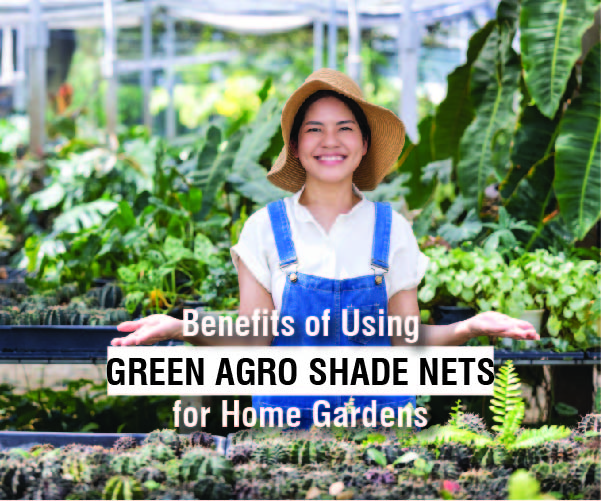
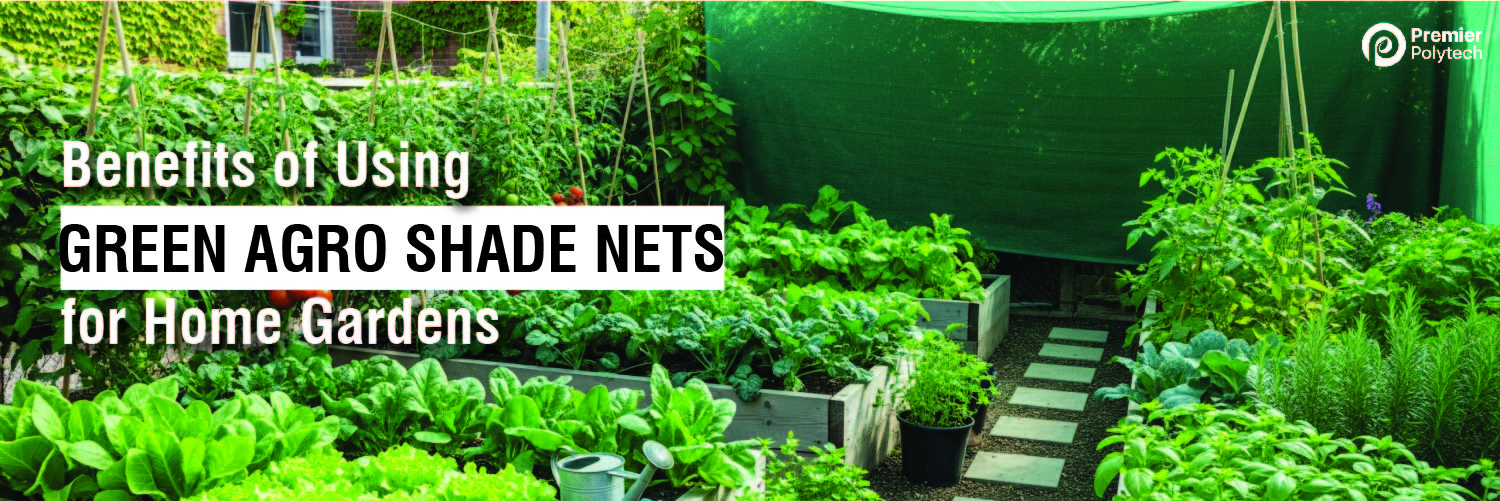
Benefits of Using Green Agro Shade Nets for Home Gardens

Introduction

Home gardening is more than just a hobby – it’s a way to reconnect with nature, grow your own food, and create a peaceful green space. However, with rising temperatures and unpredictable weather, maintaining a healthy home garden has become a challenge. That’s where Green Agro Shade Nets come to the rescue.

At Premier Polytech, we design high-quality, eco-friendly HDPE Green Shade Nets that help you protect your plants, conserve water, and enhance growth — all while keeping your garden beautiful and vibrant.

Let’s dive deeper into the benefits of using green agro shade nets for home gardens and understand how they can transform your gardening experience.

What Are Green Agro Shade Nets?

Green Agro Shade Nets are specially designed protective coverings made from HDPE (High-Density Polyethylene). These nets help control the amount of sunlight, heat, and moisture that reaches your plants.

They act as a microclimate manager, maintaining the perfect balance between light, air, and temperature – ensuring your plants grow strong, healthy, and stress-free.

Premier Polytech’s shade nets are UV-stabilized, tear-resistant, and available in different shade percentages (30% to 90%), depending on your gardening needs.

Top Benefits of Using Green Shade Nets for Home Gardens

1. Protects Plants from Harsh Sunlight

Direct sunlight can scorch leaves, dry out soil, and cause your plants to wither. Green shade nets act as a protective barrier, filtering harmful UV rays while allowing enough light for photosynthesis.

Your plants get the right amount of sunlight – no more leaf burns or drooping stems!

2. Regulates Temperature and Humidity

Too much heat can stress plants, especially during summer. Shade nets maintain a cool and comfortable environment, reducing heat stress and preventing dehydration.

They also help retain humidity — a key factor for tropical plants, ferns, and herbs. This makes your garden a perfect space for both flowering and leafy plants.

3. Saves Water and Reduces Evaporation

With rising water scarcity, every drop counts. Green shade nets significantly reduce evaporation by blocking direct sunlight, helping the soil retain moisture for longer periods.

Result?
Less watering, less effort, and healthier plants that thrive even in hot conditions.

4. Protects Against Rain and Wind Damage

Strong winds and heavy rain can easily damage delicate plants, break stems, and wash away soil. A properly installed agro shade net provides a strong yet flexible layer of protection, ensuring your plants stay safe from weather-related harm.

5. Keeps Pests, Birds, and Insects Away

Birds pecking at fruits or insects damaging leaves can frustrate any gardener. Green shade nets act as a physical barrier, reducing pest entry without using harmful chemicals or pesticides — making your garden eco-friendly and safe.

6. Encourages Better Growth and Yield

By controlling sunlight and creating an ideal environment, shade nets help plants focus their energy on growth and flowering rather than survival.

From tomatoes to tulsi, and money plants to marigolds — you’ll notice better color, faster growth, and higher yield in your home garden.

7. Enhances Garden Aesthetics

Green shade nets not only protect your plants but also add a clean, organized look to your garden. Whether it’s a rooftop garden, backyard, or balcony setup — a shade net creates a visually pleasing green canopy that blends beautifully with nature.

8. Extends the Growing Season

Extreme weather often limits gardening to certain months. Shade nets help you extend your growing season by creating a stable environment — allowing you to grow vegetables, herbs, or flowers even during off-seasons.

Imagine enjoying fresh coriander or basil all year round — made possible by your shade net!

9. Easy to Install and Maintain

Premier Polytech’s HDPE green shade nets are lightweight, flexible, and easy to install. You can fix them using poles, garden frames, or rooftop supports.
They require minimal maintenance and can be easily cleaned with water when dusty.

10. Long-Lasting and Cost-Effective

Investing in a high-quality shade net from Premier Polytech means years of plant protection. Our UV-stabilized HDPE material ensures long life even in harsh Indian weather conditions.

It’s a one-time investment that saves you time, effort, and resources in the long run.

Best Plants to Grow Under Green Shade Nets

Here are some popular plants that flourish beautifully under shade net conditions:

Plant Type Examples
Vegetables Spinach, Lettuce, Tomatoes, Capsicum
Herbs Tulsi, Mint, Coriander, Basil
Flowers Marigold, Rose, Jasmine
Indoor Plants Money Plant, Snake Plant, Areca Palm
Ornamentals Ferns, Begonias, Anthuriums

Why Choose Premier Polytech?

At Premier Polytech, we are committed to delivering eco-friendly and high-performance shade nets that make gardening easier and more sustainable.

Here’s why thousands of farmers, nursery owners, and home gardeners trust us:

UV-Stabilized HDPE Material – Long-lasting and weatherproof
Custom Sizes and Shade Options (30–90%)
Eco-friendly & Recyclable
Durable, Lightweight, and Tear-resistant
Made in India, Designed for Indian Weather

We don’t just sell products — we help you grow a greener tomorrow.

Environmental Benefits of Using Green Shade Nets

Reduces water consumption by minimizing evaporation.

Lowers carbon footprint by cutting dependency on artificial cooling systems.

Supports organic gardening by reducing chemical use.

Recyclable and reusable, making it a sustainable choice for conscious gardeners.

FAQs About Green Shade Nets for Home Gardens

Q1: Can I use green shade nets on my balcony garden?
A1: Absolutely! Green shade nets are perfect for balconies and small spaces to control sunlight and protect potted plants.

Q2: Which shade percentage is best for home gardens?
A2: A 50%–70% shade net works best for most home gardens, balancing sunlight and protection.

Q3: How long do HDPE shade nets last?
A3: Premier Polytech shade nets can last 5–8 years, depending on exposure and maintenance.

Q4: Do shade nets block rain completely?
A4: No, they partially allow rainwater while reducing its impact — perfect for natural watering without soil erosion.

Q5: Can I customize the net size for my garden?
A5: Yes! Premier Polytech provides customized sizes and designs to perfectly fit your home garden.

Conclusion

Home gardening is about care, patience, and love for nature — and Green Agro Shade Nets make that journey smoother and more rewarding. From protecting your plants to saving water and promoting healthy growth, these nets are a must-have for every gardener.

With Premier Polytech’s high-quality HDPE shade nets, you can turn your garden into a lush green haven that thrives all year round.

Bring home Premier Polytech’s Green Shade Net — protect your plants, save water, and grow naturally!

HDPE Shade Net: Meaning, Uses & Benefits in Modern Agriculture | Premier Polytech

HDPE Shade Net: Meaning, Uses & Benefits in Modern Agriculture | Premier Polytech

Introduction

In today’s rapidly changing climate, protecting crops from excessive heat, UV rays, and heavy rainfall has become crucial for every farmer. This is where HDPE Shade Nets come into play. These nets are one of the most effective and eco-friendly solutions for maintaining ideal growing conditions for plants.

At Premier Polytech, we specialize in manufacturing high-quality HDPE (High-Density Polyethylene) shade nets that ensure better crop yield, reduced water consumption, and sustainable farming practices. Let’s understand what HDPE shade nets are, their benefits, and why they’re essential for modern agriculture.

What is an HDPE Shade Net?

HDPE Shade Nets are protective coverings made from High-Density Polyethylene, a durable and lightweight polymer known for its strength and UV resistance. These nets are designed to filter sunlight, regulate temperature, and control humidity levels, creating an optimal microclimate for plant growth.

They are available in different shade percentages — commonly ranging from 30% to 90%, depending on the crop type and environmental requirement.
For example:

30–50% shade for vegetables and flowers

50–70% shade for nurseries and ornamental plants

75–90% shade for shade-loving crops like ferns and orchids

Why HDPE Shade Nets are Essential for Agriculture

1. Protects Crops from Harsh Sunlight

Excessive sunlight can damage delicate crops, burn leaves, and reduce productivity. HDPE shade nets act as a protective shield, filtering harmful UV rays while allowing adequate light for photosynthesis.

2. Maintains Optimal Temperature

Temperature control is a key factor in farming. Shade nets help maintain moderate temperature levels by reducing heat stress, especially during summer, allowing crops to grow healthy and strong.

3. Reduces Water Consumption

By reducing direct sunlight exposure and evaporation, shade nets help retain soil moisture. This means farmers can save water and reduce irrigation frequency—making agriculture more sustainable and cost-effective.

4. Protection from Heavy Rain and Wind

Unpredictable monsoon and strong winds often cause severe crop damage. HDPE shade nets act as a wind barrier, minimizing physical damage and preventing soil erosion.

5. Prevents Pest and Bird Damage

Many farmers struggle with pest attacks and bird interference. HDPE nets form a physical barrier that prevents birds and insects from harming the crops—leading to healthier produce and higher yield.

6. Promotes Better Seed Germination

Controlled sunlight and humidity create a favorable environment for seed germination and plant propagation, improving overall crop quality.

7. Long Lifespan and Durability

Premier Polytech’s HDPE shade nets are UV-stabilized, tear-resistant, and weatherproof, ensuring long-term use even under extreme environmental conditions.

Applications of HDPE Shade Nets in Agriculture

HDPE shade nets are not limited to just one use. Their versatility makes them suitable for various agricultural applications:

Nurseries & Greenhouses: To protect young plants and seedlings.

Horticulture: For fruits, vegetables, and ornamental plants.

Floriculture: Ideal for flowers that require partial sunlight.

Aquaculture: To regulate water temperature for fish farming.

Animal Shelters: Provides shade for livestock in open farms.

Drying Yards: Used for drying crops like spices, coffee, and grains without direct sun damage.

Types of HDPE Shade Nets

HDPE shade nets come in various colors and densities, each serving a unique purpose:

Type Color Usage
Green Shade Net General agriculture and nurseries
Black Shade Net UV protection and pest control
White Shade Net Maximum light transmission
Blue Shade Net Cooling effect for summer crops
Red Shade Net Enhances flowering and fruiting

At Premier Polytech, we provide customized shade nets based on crop requirements, area size, and climate conditions.

Why Choose Premier Polytech for HDPE Shade Nets?

As one of the leading manufacturers of shade nets in India, Premier Polytech is dedicated to providing high-quality, eco-friendly agricultural solutions.

Here’s why farmers and dealers trust us:

UV-Stabilized HDPE Material for maximum durability

Multiple Shade Options (30% to 90%) for different crops

Eco-Friendly & Recyclable Materials

Custom Sizing and Installation Support

Cost-Effective Solutions for Modern Agriculture

Our goal is to empower farmers with reliable shade protection that improves crop productivity and sustainability.

Environmental Benefits of Using HDPE Shade Nets

Energy Efficiency: Reduces the need for artificial cooling systems.

Water Conservation: Lowers irrigation needs by preventing evaporation.

Sustainable Farming: Promotes natural growth with minimal chemical intervention.

Recyclable Material: HDPE nets are reusable and environmentally safe.

FAQs About HDPE Shade Nets

Q1: What is the lifespan of an HDPE shade net?
A1: High-quality HDPE shade nets can last 5 to 8 years, depending on usage and environmental conditions.

Q2: Can HDPE shade nets be used for all crops?
A2: Yes, but the shade percentage should be selected based on the crop type. For instance, vegetables may need 35–50% shade, while flowers might require 60–75%.

Q3: Do shade nets affect the growth rate of plants?
A3: No. In fact, they enhance growth by providing an optimal light-to-temperature balance, promoting healthy plant development.

Q4: Are HDPE shade nets easy to install?
A4: Yes. They can be easily fixed using support poles, frames, or greenhouse structures.

Q5: Does Premier Polytech provide customized shade nets?
A5: Absolutely. We offer customized sizes, colors, and shading levels based on client requirements.

Conclusion

In an era of unpredictable weather and rising temperatures, HDPE Shade Nets have become a necessity rather than a luxury for modern farmers. They not only protect crops but also boost yield, conserve resources, and ensure sustainable farming.

At Premier Polytech, we believe in providing innovative and durable agricultural solutions that help farmers achieve prosperity with every harvest.

Upgrade your farm today with Premier Polytech’s HDPE Shade Nets — because protecting nature is the first step towards nurturing success.