A Legacy of Trust: Premier Polytech’s 5 Years of Unwavering Quality and Reliability

A Legacy of Trust: Premier Polytech’s 5 Years of Unwavering Quality and Reliability
Introduction: Five Years of Farming Success

In the dynamic world of modern agriculture, a supplier’s reputation is built on two fundamental promises: Quality and Reliability. For five years, Premier Polytech has not just met these promises; it has established itself as a cornerstone in the protected cultivation sector, empowering thousands of small and medium farmers across India with superior HDPE (High-Density Polyethylene) shading solutions.

Five years marks a significant milestone—it represents half a decade of nets withstanding intense sun, severe monsoons, and high winds, season after season. This success is not accidental; it is the result of a steadfast commitment to using only the best materials, adhering to rigorous manufacturing standards, and prioritizing the farmer’s long-term profitability.

This article delves into the core principles that define Premier Polytech’s five-year legacy of quality and reliability, making it the trusted choice for your farm infrastructure.


I. Defining Quality: Material and Manufacturing Excellence

Premier Polytech’s commitment to quality starts at the fundamental level: the raw materials and the production process.

1. Virgin HDPE and Superior UV Stabilization

  • The Difference: Unlike manufacturers who use recycled or low-grade plastics, Premier Polytech uses virgin, High-Density Polyethylene polymers. This material forms the strongest base for the net.

  • The Longevity Factor: Every net is manufactured with a high percentage of UV Stabilizers (typically $3%$ to $5%$). This crucial additive is what allows their nets to resist the relentless breakdown caused by the sun’s ultraviolet rays, guaranteeing a lifespan of 5+ years—the very benchmark of their reliability.

2. Precision Knitting and Structural Integrity

  • Uniform GSM: The manufacturing process ensures a highly uniform GSM (Grams per Square Meter) across the entire roll. This consistency is vital for providing uniform shade and strength.

  • Lock-Stitch Weave: Many of their nets feature a specialized lock-stitch weave. This ensures that even if the net is accidentally punctured or cut, the damage does not ‘run’ or unravel across the fabric, making minor repairs easy and maintaining the net’s structural integrity over years of use.


II. The Pillar of Reliability: Performance and Consistency

Reliability in agriculture means the infrastructure performs consistently, regardless of environmental challenges.

1. Predictable Climate Control

  • Consistent Shade Percentage: Premier Polytech nets are rigorously tested to ensure they deliver the exact advertised shade percentage (e.g., $50%$ or $75%$). This precision allows farmers to manage the microclimate accurately, leading to predictable crop growth and yield.

  • Wind and Tear Resistance: The high tensile strength of the nets allows them to be tensioned tautly, preventing flapping and sagging. A taut net handles wind loading better and avoids the water pooling that can lead to structural collapse, offering reliable protection during severe weather.

2. Financial Trust and ROI

  • Guaranteed Lifespan: Reliability is demonstrated through their commitment to product lifespan. By lasting 5 years or more, Premier Polytech nets offer a much lower Cost Per Year of Use (CPY) compared to cheaper alternatives. This superior Return on Investment (ROI) provides financial stability for the farmer.

  • Reduced Downtime: Consistent quality means fewer unexpected net failures, less time spent on emergency repairs, and greater labor efficiency, allowing the farm crew to focus reliably on core cultivation tasks.


III. Comprehensive Product Range for Diverse Needs

Premier Polytech’s reliability extends to its ability to meet a wide array of specialized farming and commercial needs across their five years of operation.

Product Category Reliability Focus Application Example
Standard Shade Nets Consistent UV protection & durability Vegetable Net Houses (Tomatoes, Capsicum)
Anti-Hail Nets Physical resilience and impact strength Protecting Orchards and Vineyards
Windbreak Nets Sustained tension and structural stability Perimeter protection in high-wind zones
Agri Films/Tarps Uniform thickness and waterproofing Pond lining and temporary storage

Conclusion: Securing the Next Five Years

Premier Polytech’s five-year milestone is not just a celebration of time, but a testament to the thousands of successful harvests achieved under their nets. Quality materials ensure longevity, and structural integrity ensures reliable performance.

By choosing Premier Polytech, you are choosing a partner whose track record demonstrates an unwavering commitment to protecting your most valuable asset—your crops—and securing your farm’s profitability, now and for the next five years.
Fewer Fixes, More Profit: How HDPE Nets Reduce Maintenance Costs in Agriculture

Fewer Fixes, More Profit: How HDPE Nets Reduce Maintenance Costs in Agriculture

Introduction: The Hidden Cost of Farming

In agriculture, profitability isn’t just about maximizing yield; it’s about minimizing the expenses that chip away at the bottom line. Among these recurring expenses, maintenance and repair costs—from fixing damaged net structures and replacing worn-out nets to treating disease outbreaks—can be substantial and unpredictable.

HDPE (High-Density Polyethylene) Shade Nets offer a powerful solution. By choosing durable, high-quality HDPE nets, farmers are essentially building an insurance policy against ongoing structural damage, material degradation, and weather-related disasters.

This guide breaks down the specific ways in which investing in quality HDPE nets translates directly into lower maintenance costs, better labor efficiency, and ultimately, a more stable financial future for your farm.


I. Reducing Material Replacement and Repair Costs

The most direct cost saving comes from the inherent durability of the net itself.

1. Exceptional UV Resistance

  • The Problem: Cheap nets lack sufficient UV stabilization, causing the plastic to become brittle, degrade, and tear after just 1-2 seasons. This forces constant replacement and patchwork.

  • The Solution: Quality HDPE nets are heavily treated with UV stabilizers ($3%$ to $5%$), ensuring they maintain their physical integrity and flexibility for 5 to 8 years. This extended lifespan drastically reduces the frequency and cost of purchasing new material.

2. Superior Tear and Abrasion Resistance

  • Knitting Structure: Durable HDPE nets often use a lock-stitch or heavy-duty weave which provides excellent tensile strength and resilience. This means the nets can withstand handling, installation stress, and rubbing against the support structure without easily developing holes.

  • Preventing Runaway Tears: If a small hole does occur, the lock-stitch weave prevents the tear from “running” across the net, keeping the damage localized and making simple repairs feasible and permanent.

3. Withstanding Weather Loads

  • Wind Resistance: When properly tensioned, a high GSM (Grams per Square Meter) HDPE net resists flapping and wind damage far better than lightweight alternatives. Flapping is the leading cause of wear and tear along edges and attachment points.

  • Hail and Rain: The net reduces the impact force of heavy rain and small hail, protecting not only the crops but also the net material itself from immediate physical damage.


II. Lowering Structure Maintenance and Labor Costs

The net’s stability directly impacts the structural components of the shade house, leading to savings on labor and hardware.

1. Reduced Structure Strain

  • Sagging Prevention: A durable net maintains its tension better than cheaper alternatives, which are prone to stretching and sagging. A saggy net collects rainwater, adding immense weight that can warp or even collapse poles and support wires.

  • Labor Savings on Re-tensioning: Because the durable net holds tension for longer periods, farmers spend less time and labor re-tightening the net and fixing structural components after every major weather event.

2. Efficient Installation Hardware

  • Secure Attachment: High-quality nets often feature reinforced edges (grommets or eyelets) that are designed to handle high tension and heavy-duty hardware like tension cables and turnbuckles. This prevents failure at the attachment points, which are common failure zones on cheaper nets.

  • Fewer Labor Hours: Less material failure means less time spent by skilled labor on emergency repairs, allowing the farm crew to focus on core tasks like planting and harvesting.


III. Cutting Down on Input and Disease Control Costs

The stable microclimate created by the HDPE net leads to healthier plants and lower input costs.

1. Reduced Pesticide and Fungicide Use

  • Physical Barrier: The netting acts as a simple barrier against birds and larger insects, reducing the need for chemical pest control.

  • Disease Prevention: Good ventilation and moderated humidity beneath the net, facilitated by the material’s design, significantly reduce the ideal conditions for fungal and bacterial diseases (like Powdery Mildew). Fewer diseases mean lower costs for fungicides.

2. Savings on Irrigation System Maintenance

  • System Integrity: By reducing the wind and sun exposure on irrigation hoses and drip lines, the net helps prevent cracking and degradation of plastic components.

  • Fewer Clogs: Less evaporation and more stable water pressure mean fewer system clogs and less time spent cleaning or replacing drip emitters.


Conclusion: Durability as a Financial Strategy

The logic is simple: high-quality HDPE nets reduce maintenance costs by eliminating the causes of damage. Investing in a durable, UV-stabilized net with high GSM is a strategic financial decision that minimizes unpredictable repairs, maximizes labor efficiency, and protects the farm’s valuable infrastructure and crop yield. By reducing the money spent on fixing problems, farmers can invest more directly in growth and profitability.


Frequently Asked Questions (FAQ)

Q1: How does a higher GSM net lower maintenance costs?

A: A higher GSM (Grams per Square Meter) means the net is thicker and stronger. This density translates directly into superior resistance against tearing, stretching, and damage from wind and hail, which are the main causes of structural maintenance costs.

Q2: Does the color of the net affect its maintenance cost?

A: Not significantly. Maintenance cost is primarily related to the net’s material quality (UV stabilization) and its structural integrity (GSM/Weave). However, light colors (like white) may require slightly more frequent cleaning to maintain maximum light reflection, but this is a minor cost.

Q3: What maintenance should be done on a quality net?

A: Even durable nets require minimal maintenance. Key steps include:

  • Visual Inspection: Checking for proper tension and securing all tie-downs, especially after strong winds.

  • Cleaning: Hosing down the net annually to remove dust and debris that can compromise light transmission and weight.

  • Prompt Repair: Immediately stitching or patching any minor tears to prevent them from expanding.

Q4: How can I ensure the net I buy is genuinely durable for long-term use?

A: Always ask the supplier for the net’s specification sheet. Key indicators are:

  • A guaranteed lifespan (e.g., 5-8 years).

  • A specified UV stabilization percentage (must be $3%$ or higher).

  • A high GSM suitable for your climate (e.g., $110 text{ GSM}$ and above for most permanent structures).

Farming for the Future: The Crucial Role of Shade Nets in Sustainable Agriculture

Farming for the Future: The Crucial Role of Shade Nets in Sustainable Agriculture

Introduction: Sustainability is the New Yield

In an era defined by climate volatility, dwindling water resources, and the need for food security, the focus of agriculture is shifting from simply maximizing yield to achieving sustainable yield. Sustainable farming practices are those that protect the environment, ensure economic viability, and maintain social responsibility for future generations.

HDPE (High-Density Polyethylene) Shade Nets are emerging as a fundamental tool in this sustainability revolution. They are a low-cost, high-impact technology that directly addresses key environmental challenges—from water scarcity to climate change mitigation—while simultaneously boosting the farmer’s economic resilience.

This guide explores the essential and multifaceted role that shade nets play in creating a more sustainable, efficient, and resilient agricultural system.


I. Resource Conservation: Water and Energy Efficiency

The most immediate and profound impact of shade nets on sustainability is their ability to conserve critical natural resources.

1. Water Conservation

  • Reduced Evapotranspiration: The shade net reduces air temperature and slows down wind speed across the soil and plant surfaces. This drastically lowers the rate of evapotranspiration (water loss through evaporation and plant transpiration).

  • Sustainable Farming Impact: Farmers using shade nets report water savings of 20% to 50%. This is a game-changer in arid and semi-arid regions, allowing farms to thrive with less strain on groundwater and irrigation sources.

2. Soil Health Preservation

  • Moisture Stability: By reducing rapid moisture loss, shade nets help maintain consistent soil humidity, preventing the soil from baking hard and reducing salinity buildup.

  • Erosion Control: The nets break the kinetic force of heavy rainfall, preventing soil splash and reducing the risk of topsoil erosion, preserving the most fertile layer of the land.

3. Energy Efficiency in Operation

  • Reduced Pumping: Since less water is required, the energy needed to pump water for irrigation is significantly reduced, lowering the farm’s overall energy footprint and operational costs.


II. Climate Change Mitigation and Adaptation

Shade nets provide both a defensive layer (adaptation) and indirect environmental benefits (mitigation) against a changing climate.

1. Adapting to Extreme Heat

  • Climate Resilience: As global temperatures rise, heat stress is becoming the single biggest threat to crop viability. Shade nets ($35%$ to $50%$ for most crops) provide an immediate, localized solution, making crops viable in environments previously considered too hot.

  • Preventing Crop Failure: By stabilizing the growing environment, shade nets minimize the risk of massive crop failure during unpredictable heat waves, ensuring continuous food supply and farmer income.

2. Managing Light Quality

  • UV Filtering: Shade nets filter out harmful UV-B radiation, which can negatively impact crop physiology. The diffused light promotes efficient photosynthesis, even under challenging conditions, ensuring every unit of light is used effectively.


III. Economic Viability and Reduced Environmental Load

Sustainability must be economically feasible for the farmer. Shade nets contribute by lowering input costs and enhancing output quality.

1. Reduced Chemical Reliance

  • Physical Barrier: High-density shade nets can act as a crucial physical barrier against larger pests like birds and rodents, and when using specialized mesh (net house setup), against certain insects.

  • Lower Input Costs: By reducing pest entry and maintaining plant health (making them less susceptible to disease), the need for expensive and environmentally harmful chemical pesticides and fungicides is significantly reduced.

2. Long-Term Durability and Waste Reduction

  • Sustainable Sourcing: Choosing durable, high-quality HDPE nets (with high UV stabilization) means they last 5+ years.

  • Less Plastic Waste: Investing in longevity minimizes the need for frequent replacement, drastically reducing the farm’s plastic waste generation and lowering the long-term environmental burden associated with net disposal.

3. Enhancing Crop Quality and Market Value

  • Premium Product: Shade-net-grown produce often has better color, fewer blemishes (no sunscald or wind scuffing), and higher uniformity. This improved quality commands a premium price, ensuring the farmer’s long-term economic sustainability.


IV. Conclusion: Shading the Path to a Sustainable Future

The role of HDPE shade nets extends far beyond simple sun protection; they are catalysts for sustainable agricultural reform. By enabling substantial water savings, reducing the reliance on chemical inputs, building resilience against climate change, and ensuring the economic viability of the farm through high-quality yields, shade nets embody the principles of responsible farming.

Investing in these nets is not just a smart agricultural choice—it is a critical step toward securing a resource-efficient and environmentally sound food system for the future.


Frequently Asked Questions (FAQ)

Q1: How do shade nets contribute to reducing soil salinity?

A: Salinity often occurs when water evaporates quickly, leaving behind salts in the top layer of the soil. By slowing down the rate of water evaporation, shade nets help maintain deeper moisture content, preventing the rapid accumulation of salts on the surface, which is crucial for long-term soil health.

Q2: Does using a shade net make my farm organic?

A: No, using a shade net does not automatically make a farm organic. Organic certification requires adherence to strict guidelines regarding the source of all inputs (seeds, fertilizers, pest control). However, shade nets support organic farming goals by reducing the need for chemical pest and disease control, making it easier to maintain organic standards.

Q3: Which shade net color is most sustainable?

A: All HDPE nets offer similar sustainability benefits (durability, water saving). However, white nets are sometimes favored in extremely hot regions because they reflect more heat rather than absorbing it, slightly lowering the ambient temperature and further reducing the energy demands on the microclimate.

Q4: How can small farmers ensure they are purchasing the most sustainable net?

A: Small farmers should prioritize durability. Look for nets with a guaranteed lifespan (e.g., 5+ years), confirmed UV stabilization ($3%$ to $5%$), and a high GSM ($110 text{ GSM}$ or above). A durable net is the most sustainable net because it minimizes waste and ensures the benefits are realized over the longest possible time.

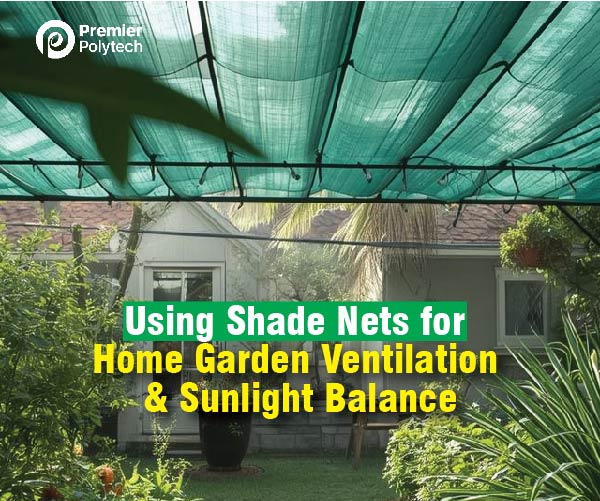
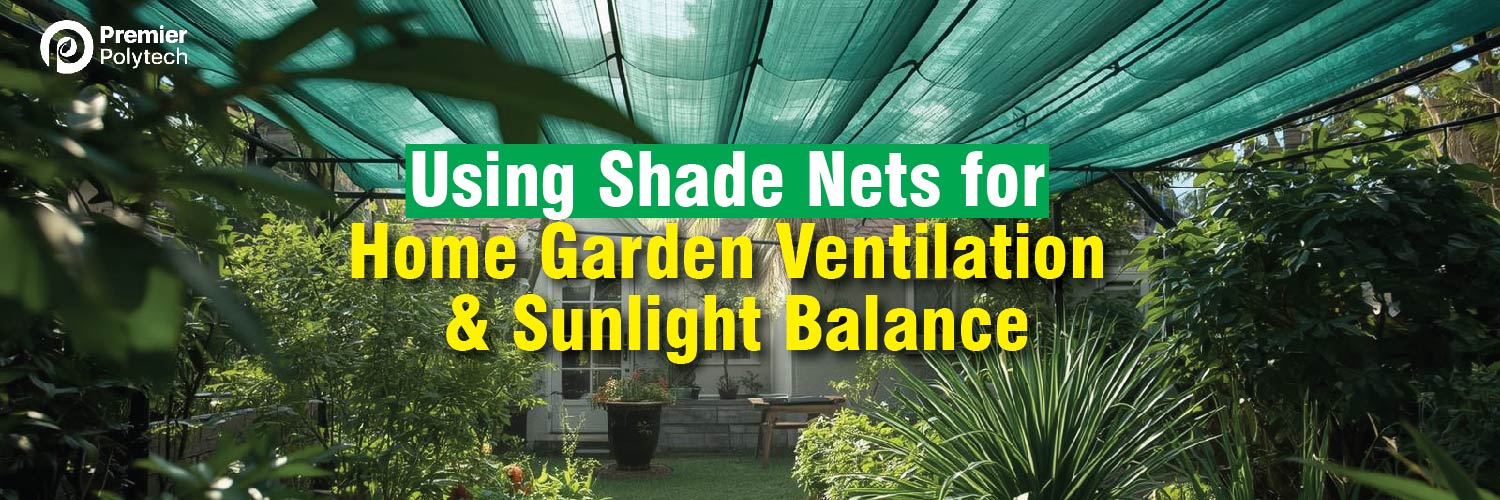
Using Shade Nets for Home Garden Ventilation and Sunlight Balance

Using Shade Nets for Home Garden Ventilation and Sunlight Balance

Introduction: The Home Gardener’s Microclimate Challenge

For the enthusiastic home gardener, success often comes down to managing the intense mid-day sun. Potted plants, raised beds, and delicate ornamentals can quickly suffer from heat stress, scorched leaves, and rapid soil drying, especially on patios, balconies, or small urban plots.

While professional farmers use shade nets for large-scale operations, these versatile tools are equally transformative for the backyard. HDPE (High-Density Polyethylene) Shade Nets offer the perfect solution to create a personalized, climate-controlled sanctuary for your plants, ensuring robust growth without the complexity or cost of a full greenhouse.

This guide explores how home gardeners can strategically use shade nets to achieve the optimal balance of diffused sunlight and essential ventilation, guaranteeing a healthier, more productive garden right outside your door.


I. Achieving Sunlight Balance: The Power of Diffused Light

The biggest threat to home gardens in summer is not just the heat, but the intensity of direct, unfiltered solar radiation.

1. Preventing Sunscald and Bleaching

  • Direct Sunlight Damage: Intense afternoon sun can burn the leaves and flowers of sensitive plants (like ferns, impatiens, and many herbs). This damage, known as sunscald, is irreversible.

  • The Solution: A shade net (usually for home gardens) filters the light, blocking the most damaging UV rays. This process converts harsh direct sun into soft, diffused light that penetrates the entire plant canopy without burning. This leads to healthier, greener foliage and vibrant flowers.

2. Ideal for Potted Plants and Raised Beds

  • Targeted Protection: Unlike field crops, potted plants and raised beds heat up faster and dry out quicker. A shade net suspended above these areas creates a localized cool zone, shielding the root systems from excessive heat buildup.

  • Custom Placement: Nets can be easily draped over simple DIY frames (like PVC pipe or bamboo structures) to provide shade exactly where it is needed—perfect for small, uneven backyard spaces.

3. Optimizing Specific Plants

  • Vegetables: In hot climates, crops like lettuce, spinach, and even tomatoes can benefit from moderate shade to prevent bolting (flowering prematurely) and stress, ensuring a longer, sweeter harvest.

  • Ornamentals: Shade-loving flowers and foliage plants, which often struggle near sunny walls or concrete surfaces, thrive under the consistent, gentle light provided by the net.


II. Enhancing Ventilation: The Key to Health

Shade nets are unique because, while they block light, they are made of a breathable mesh, which is crucial for air exchange.

1. Preventing Heat Trapping

  • Airflow is Essential: Unlike solid tarps or clear plastic covers, the mesh structure of an HDPE net allows air to pass through freely. This prevents stagnant air pockets and the dangerous buildup of humidity and heat that can occur under solid covers.

  • Evacuation of Warm Air: The open weave ensures that warm air can easily escape and be replaced by cooler air, maintaining the critical temperature differential beneath the net.

2. Reducing Disease Risk

  • Controlling Humidity: Stagnant, humid conditions are the primary breeding ground for fungal diseases like Powdery Mildew and Rust, which are common in dense home gardens. Good ventilation, facilitated by the net’s structure, keeps leaf surfaces drier.

  • Pest Deterrence: The physical barrier of the net can discourage larger pests like birds from attacking seedlings and soft fruits.


III. Practical Tips for Home Garden Setup

Choosing the right net and setting it up correctly is essential for maximizing benefits.

1. Choosing the Right Shade Percentage

  • Go Lighter: For most home gardens, start with a 35% or 40% net. This offers adequate protection without severely compromising light.

  • Use 50% to 75% only for extremely delicate plants like Orchids or young seedlings or in regions with extremely intense, non-stop summer heat.

2. DIY Structure and Installation

  • Height Matters: Ensure the net is installed high enough (ideally 6-7 feet high) to allow for comfortable working space and to facilitate good air circulation above the plants.

  • Simple Frames: Use common materials like PVC pipes (easy to bend for a hoop house effect), wooden posts, or attach the net to existing structures like pergolas or fences.

  • Tensioning: The net should be pulled taut and secured with strong clips or ties. A sagging net is prone to wind damage and collects debris.

3. Water Conservation

  • Reduced Evaporation: The cooling effect of the net dramatically reduces the rate at which water evaporates from the soil in containers and raised beds, meaning you water less frequently—saving both time and water resources.


Conclusion: A Simple Tool for Sophisticated Gardening

The HDPE shade net is the home gardener’s best friend. It is a simple, affordable, and durable solution that brings professional-grade environmental control to your backyard. By strategically using a net to balance sunlight and ensure ample ventilation, you can successfully mitigate the challenges of summer heat, guaranteeing your potted plants, vegetables, and ornamental flowers thrive, resulting in a greener, more beautiful, and more productive outdoor space.


Frequently Asked Questions (FAQ)

Q1: What is the best color shade net for a small home garden?

A: Green or Black are the most common. Green often looks more aesthetically pleasing in a home garden and blends in with the foliage. Black offers marginally better UV absorption and cooling. For a mixed garden, Green is often the preferred choice for its visual harmony.

Q2: Can I just drape the net directly onto the plants?

A: No, avoid direct contact. Draping the net directly onto plants can crush delicate foliage, trap heat right against the leaves, and negate the benefits of ventilation. Always suspend the net on a frame, ensuring a 1-2 foot gap between the net and the tallest plants.

Q3: When should I remove the shade net?

A: The net should be in place during the peak heat months (typically May through September). Once the intensity of the summer sun subsides and temperatures drop below, you can remove or roll up the net sides to maximize natural light during the cooler growing seasons.

Q4: How long will a quality shade net last in a home garden?

A: A quality, UV-stabilized HDPE net purchased from a reputable supplier will easily last 3 to 5 years in a home garden setting. Proper tensioning and clean, dry winter storage can extend its life even further.

How to Choose the Right GSM for Your Shade Net Project

How to Choose the Right GSM for Your Shade Net Project

Introduction: Understanding GSM in Shade Nets

When selecting a shade net, you typically look at the Shade Percentage (how much light is blocked) and the Color. However, a critical factor that dictates a net’s quality, durability, and structural integrity is its GSM (Grams per Square Meter).

GSM is simply the weight of the net fabric per square meter. It is a direct indicator of the amount of material (HDPE polymer) used in the weaving. A higher GSM signifies a thicker, denser, and stronger net. Choosing the right GSM is essential because it determines how long your net will last, how well it will withstand wind and hail, and ultimately, how secure your crop investment will be.

This guide breaks down the concept of GSM and provides a clear framework for selecting the appropriate weight for your specific project, from temporary shading to permanent, high-wind structures.


I. GSM and the Three Pillars of Net Quality

The GSM of a shade net directly influences three vital characteristics: Durability, Strength, and Price.

1. Durability and Longevity

  • Higher Material Mass: A higher GSM means there is more polymer material in the net. This material absorbs stress, resists abrasion, and – crucially – contains more UV stabilizers per area.

  • Long-Term Use: Nets with higher GSM are significantly more resistant to cracking and degradation from sunlight, leading to a much longer service life (5+ years). Lower GSM nets may become brittle and fail quickly.

2. Tensile Strength and Resilience

  • Wind Resistance: Thicker nets (higher GSM) offer greater tensile strength, meaning they can withstand stronger pulling forces and wind loads without stretching, tearing, or flapping.

  • Hail and Debris Protection: Higher GSM nets provide a more robust physical barrier against falling debris, bird damage, and the impact of hail, offering superior physical protection to your crops.

3. Cost and Investment

  • Upfront Cost: GSM is the main driver of cost. Nets with a higher GSM require more raw material and thus have a higher initial price point.

  • Long-Term Value: While more expensive initially, a high-GSM net offers lower Cost Per Year of Use (CPY) due to its extended lifespan and reduced repair needs, making it the more cost-effective choice in the long run.


II. Selecting GSM Based on Project Type

The right GSM depends heavily on the application, the crop value, and the severity of the local climate.

Project Type / Required Protection Recommended GSM Range Rationale
Temporary/Seasonal Shading $80 – 100  { GSM}$ Suitable for short-term use, basic frost cover, or small seasonal nursery setups where budget is highly constrained.
General Agriculture (Permanent) $110 – 150 { GSM}$ Ideal for standard net houses for vegetables (e.g., Tomato, Capsicum). Offers excellent balance of strength, longevity (3-5 years), and cost.
High-Wind Areas/Floriculture $150 – 180 { GSM}$ Necessary for regions with strong winds, or for high-value crops (like Orchids, Roses) where structural failure would be catastrophic.
Premium Parking/Heavy-Duty $180 – 220 { GSM}$ Used for carports, industrial enclosures, or as primary anti-hail structures, requiring maximum material density for impact resistance.


III. The Relationship Between GSM and Shade Percentage

It is a common misconception that a higher GSM automatically means a higher shade percentage. This is not always true, as two different factors determine the net’s properties:

For example, a $150 { GSM}$ net can be knitted to provide $35 shade (using thick yarn but a loose knit) or $75 Shade (using thick yarn but a tight knit).

Key takeaway: Always select the Shade Percentage based on your crop’s light needs, and then select the GSM based on your required durability and weather resilience.


IV. Practical Considerations for Installation

Choosing a high GSM net requires careful planning for installation to maximize its benefits.

1. Structural Load

2. Airflow vs. Density

  • Airflow Concern: While necessary for strength, very high GSM nets are denser, which can potentially impede airflow slightly more than lighter nets. In extremely hot, high-humidity climates, ensure the structure is tall enough and has adequate side ventilation to prevent heat buildup.


Conclusion: A Decision of Value, Not Just Cost

Choosing the right GSM is fundamental to securing a successful protected cultivation project. Do not base your decision solely on the Shade Percentage; recognize that GSM is the measure of the net’s strength, lifespan, and resilience against the elements.

By investing in a higher GSM net appropriate for your region’s climate and the long-term value of your crops, you are guaranteeing structural longevity, reducing maintenance headaches, and securing predictable, high-quality yields for many seasons to come.


Frequently Asked Questions (FAQ)

Q1: If two nets have the same shade percentage but different GSMs, which should I choose?

A: Choose the higher GSM net. If both block the same amount of light, the higher GSM net will be thicker, stronger, and more durable. It will resist wind damage better and last longer, providing superior long-term value.

Q2: Does higher GSM mean a net is always better?

A: Not always. While higher GSM is stronger, it is also heavier and more expensive. For very large, simple applications in moderate weather, a mid-range GSM  might be the perfect balance of cost and performance. Over-specifying GSM for a small, temporary structure is unnecessary spending.

Q3: How can I verify the GSM claimed by the manufacturer?

A: While large-scale verification requires laboratory testing, you can perform a simple check: weigh a sample piece of a known size . If the net weighs close to 150 grams, the GSM is approximately 150. Always purchase from reputable suppliers who provide a clear product specification sheet.

Q4: Is GSM the same as the net’s thickness?

A: GSM is a measure of mass per area, which is closely related to overall thickness and material density. While not a direct thickness measurement (thickness is hard to measure accurately due to the mesh), a higher GSM means more material and thus a thicker, more substantial net overall.

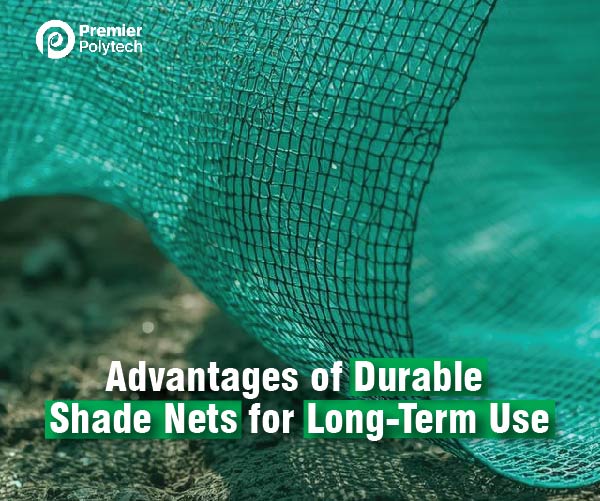
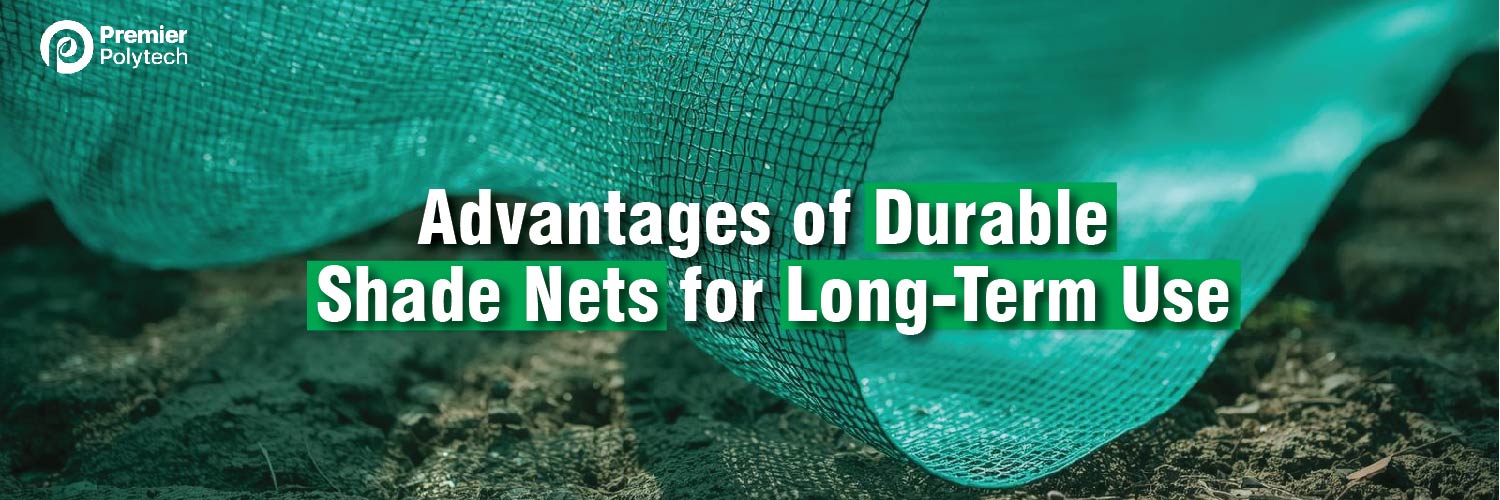
Built to Last: Advantages of Durable Shade Nets for Long-Term Use

Built to Last: Advantages of Durable Shade Nets for Long-Term Use

Introduction: Durability is the Ultimate Economy

For farmers, making an initial investment in agricultural equipment always involves weighing the upfront cost against the long-term benefit. When it comes to shade nets, choosing cheap, low-grade material might save money today, but it inevitably leads to massive recurring costs, time wasted on repairs, and—most critically—unstable crop yields.

Durable, high-quality HDPE (High-Density Polyethylene) shade nets are not an expense; they are a long-term investment. Engineered for resilience, these nets offer a service life of 5 to 8 years or more, providing stable, predictable protection that drastically improves the financial sustainability of a farm.

This guide explores the key advantages of opting for durable shade nets, proving that longevity is the most cost-effective decision you can make for your protected cultivation setup.


I. Financial and Economic Advantages

The primary benefit of durability is the profound positive impact on a farm’s bottom line over many seasons.

1. Maximized Return on Investment (ROI)

  • Extended Service Life: A cheap net might last 1-2 years, requiring 3-5 replacements over a decade. A durable net, guaranteed for 5+ years, drastically cuts down procurement costs. The initial higher investment is spread over many more growing cycles, driving the Cost Per Year of Use (CPY) down significantly.

  • Reduced Labor Costs: Frequent replacement of nets requires significant expenditure on labor, machinery, and time. Durable nets remain in place for years, eliminating the recurring cost and hassle of dismantling and reinstallation.

2. Stable and Predictable Yields

  • Consistent Microclimate: Durable nets maintain their original shade percentage and structural integrity for their entire lifespan. This ensures the microclimate (light, temperature, humidity) remains stable, which is crucial for high-value crop production.

  • Reduced Crop Loss: Net failure (tearing, sagging, or degradation) often occurs mid-season, leading to immediate crop loss from sunscald or heat stress. Durable nets virtually eliminate this risk, ensuring harvest predictability and minimizing catastrophic revenue loss.


II. Operational and Structural Advantages

High-quality construction translates directly into superior performance and reduced maintenance challenges.

1. Superior UV Stabilization

  • Resilience: The most common cause of net failure is UV degradation. Durable nets are manufactured with a higher concentration of UV stabilizers (typically $3%$ to $5%$ of the HDPE polymer). This protective barrier prevents the plastic from becoming brittle, cracking, and tearing, especially around stress points.

  • Sustained Protection: The net continues to filter the harmful UV rays effectively for years, ensuring your crops receive consistent protection throughout the net’s service life.

2. Enhanced Structural Integrity

  • High Tensile Strength: Durable nets often use a Mono Mono (Monofilament + Monofilament) or a robust Mono Tape weave, which provides exceptional tensile strength. This allows the net to be pulled drum-tight during installation without the risk of stretching or tearing.

  • Wind and Load Resistance: A tightly tensioned, strong net handles wind loading and the weight of accumulated rainwater far better than thin, cheap alternatives, protecting the main support structure (poles/wires) from damage.

3. Reduced Maintenance and Repair

  • Tear Resistance: The higher material density (GSM) and superior knitting pattern (often lock-stitch) provide high resistance to punctures, snags, and tears. If a small tear does occur, the lock-stitch prevents the tear from ‘running’ (unraveling across the net), making small repairs simpler and more permanent.


III. Environmental and Crop Quality Advantages

Durability impacts not only the cost but also the quality of the harvest and the sustainability of the farm.

1. Better Crop Quality and Market Value

  • Pristine Produce: Consistent light diffusion and temperature control prevent quality defects like sunscald, wind scuffing, and blotchy ripening. This results in premium-grade, high-value produce that fetches better prices in the market.

  • Stable Environment: Long-term stability reduces plant stress, promoting better nutrient uptake and consistent growth throughout the season.

2. Reduced Environmental Footprint

  • Less Plastic Waste: By purchasing a net that lasts five times longer, the farm generates significantly less plastic waste, aligning with modern sustainability goals and responsible farming practices.


Conclusion: Choosing Predictability Over Risk

The decision to invest in a durable shade net is a commitment to the long-term health and profitability of your farm. While the immediate cost may be higher, the cumulative savings from reduced labor, fewer replacements, minimized crop loss, and consistent high-quality yields make the durable option the clear economic winner.

For serious farmers, durability is the key to securing a predictable future, moving from reactive maintenance to proactive, sustainable protected cultivation.


Frequently Asked Questions (FAQ)

Q1: What is the main indicator of a net’s long-term durability?

A: The main indicators are the Percentage of UV Stabilizer (ideally $3%$ to $5%$), the GSM (Grams per Square Meter), and the Weave Type (Mono Mono is typically the most durable). Always check the manufacturer’s warranty or guaranteed lifespan.

Q2: Does a durable net mean better shade effectiveness?

A: Yes. Over time, cheap nets degrade, and their ability to block UV rays and maintain the shade percentage diminishes rapidly. A durable net maintains its shade percentage and filtering capacity consistently throughout its long lifespan, ensuring continuous effectiveness.

Q3: What are the risks of using a net that is sagging or has lost its tension?

A: A sagging net is a major risk. It collects rainwater (adding immense weight and potentially causing structural collapse), flaps in the wind (leading to accelerated fraying and tearing), and provides inconsistent light to the crops underneath. Durability ensures the net holds tension longer.

Q4: How does a durable net help with pest management over time?

A: Durable nets, being stronger, hold their weave and hole size better. This stability is crucial for maintaining the integrity of the barrier against insects (if used as an insect net) and preventing the net from developing tears and gaps that allow pests to enter the protected area.

From Good to Great: How Premier Polytech Nets Improve Crop Yield and Quality

From Good to Great: How Premier Polytech Nets Improve Crop Yield and Quality

Introduction: The Yield Gap Challenge

For farmers, maximizing crop yield is the ultimate measure of success. In today’s variable climate, achieving consistently high yields and superior crop quality is increasingly difficult due to erratic weather, intense heat waves, and pest pressures. These factors create a significant “yield gap”—the difference between potential and actual harvest.

Premier Polytech HDPE Shade Nets are engineered to bridge this gap. By transforming the unpredictable outdoor environment into a stable, controlled microclimate, these nets ensure that plants spend their energy on growth and fruiting, not on survival.

This comprehensive guide delves into the specific mechanisms by which Premier Polytech’s high-quality, UV-stabilized shade nets translate directly into higher output, better market value, and enhanced farm profitability.


I. Optimizing the Plant Environment for Growth

The primary way Premier Polytech nets boost yield is by creating ideal growing conditions where plants thrive with minimal stress.

1. Eliminating Heat Stress and Sunscald

  • The Problem: High temperatures (above $35^circ C$) cause plant metabolic rates to slow down. Plants enter survival mode, resulting in flower drop, poor fruit setting, and stunted growth. Direct sun exposure leads to sunscald on fruits and leaves.

  • The Premier Solution: By using the appropriate shade percentage (e.g., $35%$ for fruiting vegetables), Premier Polytech nets reduce the temperature underneath by 5°C to 10°C. This keeps the plant within its optimal temperature range, ensuring robust photosynthesis and successful flowering and fruiting, which directly translates to more marketable produce.

2. Diffusing Light for Uniform Growth

  • Scientific Advantage: Premier Polytech nets are often engineered to scatter or diffuse sunlight, rather than just blocking it.

  • Yield Benefit: Diffused light penetrates the entire plant canopy more evenly, reaching lower leaves that would otherwise be shaded. This uniform distribution ensures that all parts of the plant photosynthesize effectively, leading to balanced growth, stronger lateral branches, and increased fruit setting across the entire plant, not just the top.

3. Conserving Water for Healthier Plants

  • Efficiency: The reduced temperature and wind speed beneath the net dramatically decrease the rate of evapotranspiration from the soil and plants.

  • Yield Benefit: By stabilizing soil moisture, the nets prevent sudden water stress, which is a major cause of fruit splitting or nutrient deficiency problems like Blossom End Rot (BER) in tomatoes. This leads to healthier root systems and higher quality yields with less water expenditure.


II. Protecting the Harvest and Quality Assurance

Premier Polytech nets act as essential physical barriers, preserving the quantity and quality of the yield from environmental threats.

1. Shield Against Physical Damage

  • Weather Mitigation: Heavy rain and hailstones can physically damage soft plant tissues, leading to entry points for disease and yield loss. The net reduces the kinetic energy of raindrops and protects against hail impact, ensuring physical integrity and higher harvest quantity.

  • Windbreak Effect: The net reduces wind speed, preventing mechanical damage to stems and flowers. Wind reduction also minimizes water loss through excessive transpiration.

2. Pest and Disease Management

  • Physical Barrier: The netting serves as a simple yet effective barrier against birds, rodents, and larger insects that consume or damage fruits and leaves.

  • Quality Benefit: By reducing pest entry, farmers can use fewer chemical pesticides, leading to cleaner, residue-free produce that commands a premium price in the market.

3. Extending the Harvest Period

  • Season Extension: In regions with prolonged hot seasons, the cooling effect of the shade nets allows farmers to start planting earlier and continue harvesting later than open-field cultivation. This extension of the productive season directly increases the overall annual yield and farm income.


III. Premier Polytech’s Quality Guarantee

The inherent quality of Premier Polytech’s manufacturing is the foundation of the promised yield improvement.

Feature Importance for Yield
Virgin HDPE & UV Stabilization Guarantees the net maintains its shade percentage and physical integrity for 5+ years. A weak net compromises the microclimate, harming yield.
Uniform Knitting Ensures the shade is consistent across the entire field. Inconsistent shade leads to uneven plant development and varied quality.
High Tensile Strength Allows the net to be pulled tautly, preventing sagging and flapping. A saggy net collects water, damages the structure, and harms the crop below.

Conclusion: Securing Your Farm’s Future Profitability

Premier Polytech shade nets are not just an operational expense; they are a direct investment in the biological efficiency of your crops. By mitigating heat stress, providing ideal light quality, and acting as a robust physical shield, these nets allow every plant to reach its full genetic potential.

The result is clear: less fruit drop, higher quality produce, more uniform sizing, and the ability to command better market prices. By choosing Premier Polytech, farmers are effectively securing higher yields and a more predictable, profitable future for their farms.


Frequently Asked Questions (FAQ)

Q1: Which shade percentage provides the highest yield for common vegetables?

A: For most fruiting vegetables like Tomatoes, Capsicum, Cucumber, and Gourds, a 35% to 50% shade net is typically recommended. This range strikes the best balance, providing enough shade to reduce stress while allowing enough light for high rates of photosynthesis.

Q2: Does the net need to cover the entire field to be effective?

A: For maximizing yield, yes, the net should cover the crop area in a properly structured net house. However, even using Premier Polytech’s nets as windbreaks on the perimeter can significantly improve yield by reducing physical damage and plant water stress in adjacent open fields.

Q3: Can these nets help improve the color and quality of fruits?

A: Yes. By controlling extreme heat, the nets prevent pigment degradation (bleaching) and ensure uniform ripening. For flowers and colored fruits, the diffusion of light provided by the net can result in deeper, richer, and more consistent color saturation, which is a key factor in market quality.

Q4: How do I calculate the ROI (Return on Investment) for a shade net?

A: The ROI is calculated by comparing the initial cost of the net and structure to the value of the additional yield and quality gained over the net’s lifespan (e.g., 5 years). The increased market price due to better quality, combined with savings from reduced water use and fewer pesticide applications, quickly justifies the initial investment.

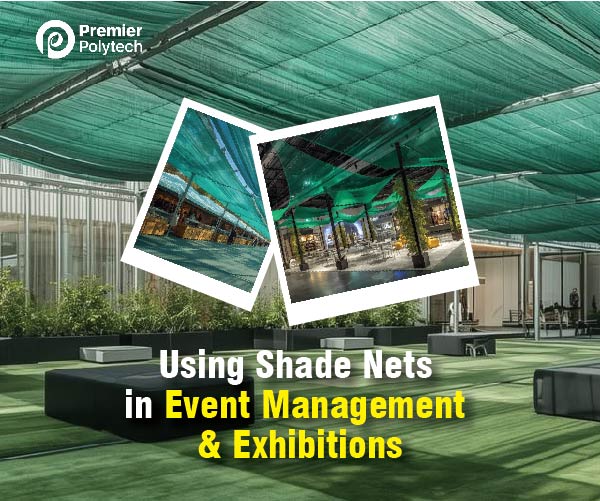
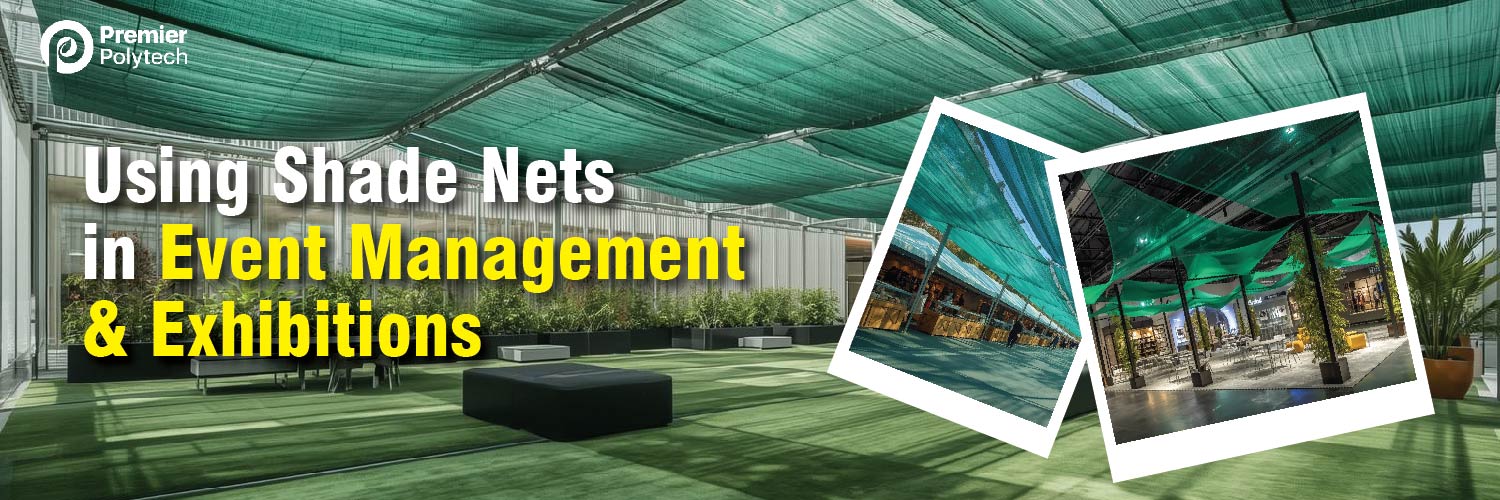
Beyond the Farm: Using HDPE Shade Nets in Event Management and Exhibitions

Beyond the Farm: Using HDPE Shade Nets in Event Management and Exhibitions

Introduction: The Imperative for Outdoor Comfort

Successful outdoor events—be they large corporate exhibitions, local festivals, trade shows, or temporary outdoor weddings—hinge on one critical factor: attendee comfort. Unpredictable weather, especially intense sun and sudden drizzles, can quickly derail an event and negatively impact the attendee experience.

While traditional tents and marquees are costly and cumbersome, High-Density Polyethylene (HDPE) Shade Nets offer a flexible, cost-effective, and highly aesthetic solution for event management. Known for their durability and UV protection in agriculture, these nets translate perfectly into temporary outdoor shelters and branding backdrops.

This guide explores the diverse and practical applications of HDPE shade nets in the dynamic world of event management and exhibitions, enhancing both comfort and aesthetics.


I. Enhancing Attendee Comfort and Safety

The primary function of a shade net in event management is to mitigate environmental discomfort, ensuring a positive experience for all participants.

1. Thermal Management and Cooling

  • Heat Reduction: During long summer events, standing in direct sun is unbearable. Shade nets (typically $50%$ to $75%$ density) block a significant amount of solar radiation, reducing the ambient temperature underneath by several degrees. This makes waiting lines, seating areas, and vendor booths significantly cooler.

  • Preventing Heat-Related Issues: The reduced heat load lowers the risk of heat exhaustion and sunstroke among guests and staff, making the event safer and more responsible.

2. UV Protection

  • Health Barrier: Event attendees often spend hours outdoors. HDPE nets are UV stabilized and block up to $90%$ of harmful UV rays. This provides crucial protection against sunburn and long-term skin damage, a silent assurance that enhances the perceived value of the event.

3. Rain and Debris Shield

  • Impact Reduction: While not waterproof, the net breaks the velocity of raindrops, transforming a heavy downpour into a lighter spray, giving attendees time to seek solid shelter. It also shields food stalls and display areas from airborne dust, leaves, and small debris.


II. Practical Applications in Event Design and Logistics

HDPE nets offer versatility that traditional structures cannot match, making event setup simpler and more dynamic.

1. Temporary Walkways and Waiting Areas

  • Crowd Flow: Used to cover long queuing areas, entry points, or walkways between exhibition halls, shade nets keep guests comfortable while managing crowd flow.

  • Quick Setup: They are significantly lighter and easier to install than pop-up canopies, allowing quick deployment over large, unconventional spaces.

2. Vendor and Food Stall Coverage

  • Uniform Shelter: Nets can be stretched over a series of vendor booths, providing a continuous, aesthetically pleasing roofline that looks uniform and professional, regardless of the individual stall construction.

  • Food Safety: Shading food and beverage areas keeps items cooler, reducing spoilage risks and maintaining the quality of perishable goods.

3. Stage and Equipment Protection

  • Equipment Longevity: Expensive sound systems, video screens, and lighting equipment are protected from direct sun exposure, which can cause overheating and damage.

  • Performer Comfort: Performers on outdoor stages benefit immensely from a shaded environment, reducing glare and heat stress.


III. Aesthetic and Branding Opportunities

Beyond function, the aesthetic versatility of HDPE nets allows them to integrate seamlessly into an event’s theme and branding.

1. Color Coordination and Theme

  • Wide Range of Colors: HDPE nets are available in various colors (Black, Green, Blue, Beige, etc.). Event organizers can select colors that match the event’s corporate theme, sponsor branding, or aesthetic vision.

  • Visual Appeal: When properly tensioned, a high-quality shade net provides a clean, modern, and high-tech look that surpasses the cluttered appearance of multiple mismatched umbrellas or tents.

2. Temporary Walls and Privacy Screens

  • Backdrops: Denser nets ($80%$ to $90%$) can be hung vertically to act as temporary walls, concealing unsightly backstage areas, providing privacy for VIP lounges, or serving as a neutral backdrop for photo booths.

  • Wind Control: In breezy locations, vertical nets can reduce the wind speed, stabilizing lightweight displays and preventing decorations from blowing away.


IV. Cost and Sustainability Advantages

For event planners working under tight budgets and timelines, HDPE nets provide significant operational benefits.

  • Lower Procurement Cost: The initial purchase price of HDPE nets is often a fraction of the cost of renting or purchasing heavy metal-framed tents.

  • Reusable and Durable: High-quality nets are incredibly durable and can be cleaned, folded, and stored for repeated use across multiple events and seasons, dramatically improving the return on investment (ROI).

  • Lightweight Logistics: Their low weight reduces transportation costs and logistical complexity compared to hauling heavy, rigid structures.


Conclusion: The Future of Outdoor Event Sheltering

HDPE shade nets offer a powerful combination of functionality, aesthetics, and cost-effectiveness that is transforming outdoor event management. From protecting high-value equipment and minimizing heat stress for attendees to providing customizable, brand-friendly shelter, these nets are an indispensable tool.

By utilizing the durability and UV-blocking power of HDPE, event managers can guarantee comfort, ensure safety, and elevate the overall professionalism and success of their outdoor gatherings.


Frequently Asked Questions (FAQ)

Q1: Which shade percentage is best for a general event area (e.g., seating)?

A: For general event shading and comfort, a 50% to 75% shade net is usually recommended. This range blocks enough sun to provide significant cooling while keeping the area bright and inviting.

Q2: Are these nets fire retardant?

A: Standard HDPE nets are not inherently fire retardant and will melt when exposed to high heat or flame. For indoor exhibitions or areas near open flames, event organizers must check local fire codes and source specially treated fire-retardant (FR) certified nets or fabrics.

Q3: How do I clean and store the nets after an event?

A: Clean the net by hosing it down with water to remove dust and debris. Ensure it is completely dry before folding. Store the net in a dark, dry place away from direct sunlight when not in use to maximize its lifespan for future events.

Q4: Can I project images or branding onto the shade net?

A: Yes, but with limitations. While direct projection onto a lighter-colored net can work at night, for daytime events, it is better to attach lightweight, custom-printed banners or flags directly to the structure adjacent to or below the net for maximum visibility and branding impact.

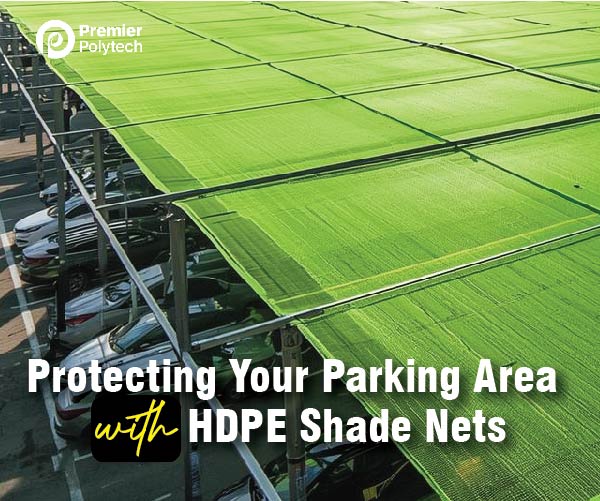
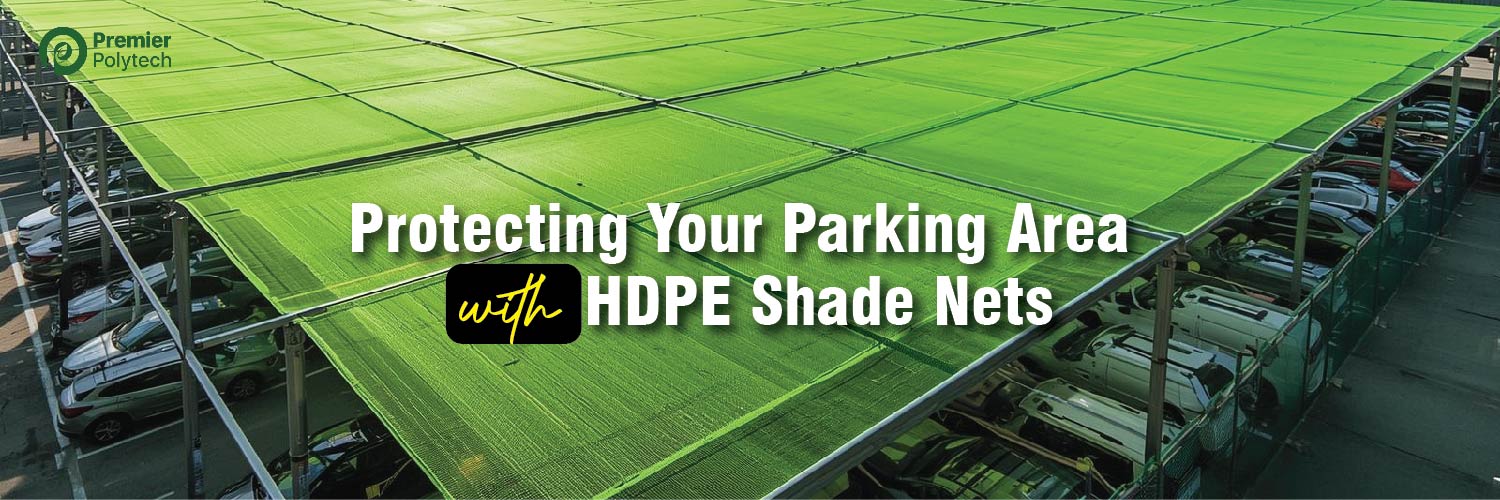
Beyond the Farm: Protecting Your Parking Area with Durable HDPE Shade Nets

Beyond the Farm: Protecting Your Parking Area with Durable HDPE Shade Nets

Introduction: The Hidden Cost of Sun Exposure

Your vehicle is one of your most significant investments. Yet, for many, it spends hours daily exposed to the harshest elements: scorching sun, destructive UV radiation, and heavy rain. Over time, this exposure leads to faded paint, cracked dashboards, and a blistering hot interior—all factors that depreciate your car’s value and comfort.

While traditionally known for agriculture, High-Density Polyethylene (HDPE) Shade Nets have emerged as the most efficient and cost-effective solution for creating superior parking shade structures. These nets offer a powerful barrier that protects your assets without the need for expensive, permanent construction.

This guide will explain why HDPE nets are the ideal choice for residential, commercial, and industrial parking areas, detailing the benefits they provide to both your vehicle and your wallet.


I. Why HDPE is the Ideal Choice for Car Park Shading

HDPE nets are specifically engineered to offer superior protection compared to traditional fabric or tarpaulin covers.

1. Maximum UV Protection and Stabilization

  • The Threat: UV-A and UV-B radiation are the primary causes of damage to vehicle paint, rubber seals, and interior plastics.

  • The Solution: High-quality HDPE nets are heavily treated with UV stabilizers ($3%$ to $5%$) during manufacturing. They effectively block up to 90% of harmful UV rays, acting as a dedicated sunscreen for your car. This prevents paint oxidation and slows the deterioration of interior materials.

2. Superior Cooling and Temperature Regulation

  • The Threat: In peak summer, a car parked in direct sun can reach internal temperatures exceeding $65^circ C$ ($150^circ F$).

  • The Solution: By blocking solar radiation, HDPE shade nets can reduce the ambient temperature beneath the structure by 5°C to 10°C. This means a cooler car interior, less strain on your AC system, and a more comfortable experience the moment you get in.

3. Excellent Durability and Weather Resistance

  • High Tensile Strength: The woven or knitted nature of HDPE provides high tensile strength, making the nets resistant to tearing and fraying, even in high winds.

  • Non-Absorbent: Unlike cloth, HDPE does not absorb water, preventing sagging, mold, and mildew growth—a key factor for longevity in rainy seasons.


II. Key Benefits for Your Vehicle and Property

1. Protecting Your Car’s Exterior

  • Paint Longevity: By shielding the car from intense UV rays and acid rain deposits (which combine with dust to etch paint), the net maintains the integrity and shine of your vehicle’s clear coat and paintwork.

  • Preventing Dashboard Cracks: The significant reduction in interior temperature and UV exposure prevents plastic components like dashboards and door trims from cracking, fading, and degrading over time.

2. Comfort and Fuel Efficiency

  • Instant Comfort: Stepping into a car that is 10 degrees cooler is a huge comfort factor.

  • AC Efficiency: A cooler starting temperature means your car’s air conditioning system doesn’t have to work as hard or as long, leading to reduced fuel consumption or battery drain in electric vehicles.

3. Protection from Falling Debris

  • Physical Barrier: HDPE nets act as a shield against tree sap, bird droppings (which are highly acidic), leaves, and small falling debris, keeping the car cleaner and reducing the need for frequent, abrasive washing.

  • Hail Protection (High Density): While not a substitute for a solid roof, high-density (e.g., $90%$) nets can reduce the impact force of small hailstones, providing a degree of crucial protection during sudden storms.


III. Choosing the Right Shade Net for Parking

The effectiveness of your parking shade depends on choosing the correct specifications.

1. Shade Percentage: Focus on Maximum Protection

  • Recommendation: 80% to 90% Shade Net. For parking, the goal is maximum solar blockage and cooling. Unlike agriculture, there is no photosynthesis requirement, so high density is preferred for superior UV filtration and temperature control.

2. Color Selection

  • Black/Green: Offers the highest heat absorption and maximum shade density, providing excellent cooling below the net.

  • Beige/Gray/White: Reflects more heat back into the atmosphere and often blends better into commercial or residential architecture. The reflective property aids cooling.

3. Weave Type

  • Mono Mono: Generally recommended for permanent structures. Its high tensile strength resists strong winds and holds tension better over large spans, offering the best long-term durability.


IV. Installation Considerations for Parking Structures

A successful parking shade requires proper tensioning and structural support.

  • Structural Integrity: Use heavy-duty, galvanized steel posts or strong metal frames. Concrete anchoring is essential for stability, especially in open areas prone to wind loading.

  • Proper Tensioning: The net must be pulled drum-tight. A sagging net collects water, flaps in the wind (causing accelerated wear and tear), and looks unprofessional. Use turnbuckles or tensioners at the corners.

  • Height: Ensure the structure is high enough to accommodate all standard vehicles, including SUVs and vans, and allow for easy entry and exit without touching the top of the net.


Conclusion: A Smart Investment in Longevity

HDPE shade nets are the optimal solution for protecting vehicles in any environment. They provide scientific-grade UV filtering, exceptional cooling, and durable protection against weather and debris—all at a fraction of the cost of traditional metal roofing or carports.

By installing a high-quality HDPE shade net, you are not just providing shelter; you are making a smart, cost-effective investment that preserves your vehicle’s condition, maintains its resale value, and enhances your daily comfort.


Frequently Asked Questions (FAQ)

Q1: How long will an HDPE parking shade net typically last?

A: A high-quality, UV-stabilized net (80% to 90%) used for parking should last between 5 to 8 years under normal conditions. Longevity depends heavily on proper installation (pulled taut) and the severity of local weather (wind, intense sun).

Q2: Do these nets offer protection during heavy rain?

A: While HDPE shade nets are not waterproof (they allow water to pass through), they break the impact of heavy raindrops. For areas requiring full waterproofing, a HDPE Woven Tarpaulin or a specialized waterproof shade material should be considered, though this will significantly reduce airflow and cooling.

Q3: Which density is best for sun protection in extremely hot climates?

A: In extremely hot, sunny climates, a 90% shade net is the best option. The higher density maximizes UV blockage and provides the greatest temperature differential, offering superior protection for the car’s paint and interior.

Q4: Can I install these nets over large commercial parking areas?

A: Yes. HDPE nets are widely used for large-scale commercial parking lots, schools, and apartment complexes. The key is using robust, professionally engineered steel support structures to handle the massive load and wind resistance of the large net expanse.

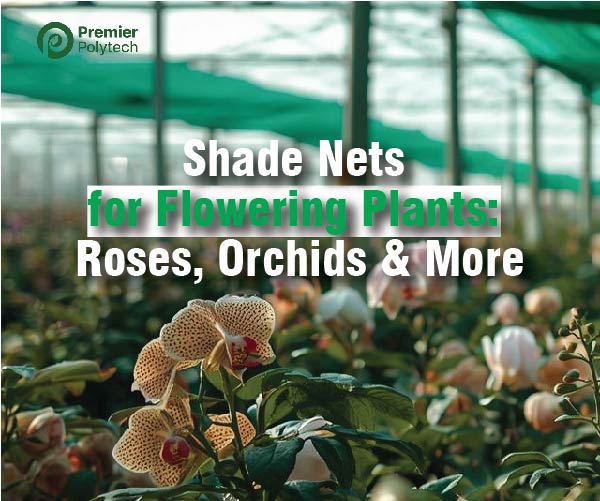
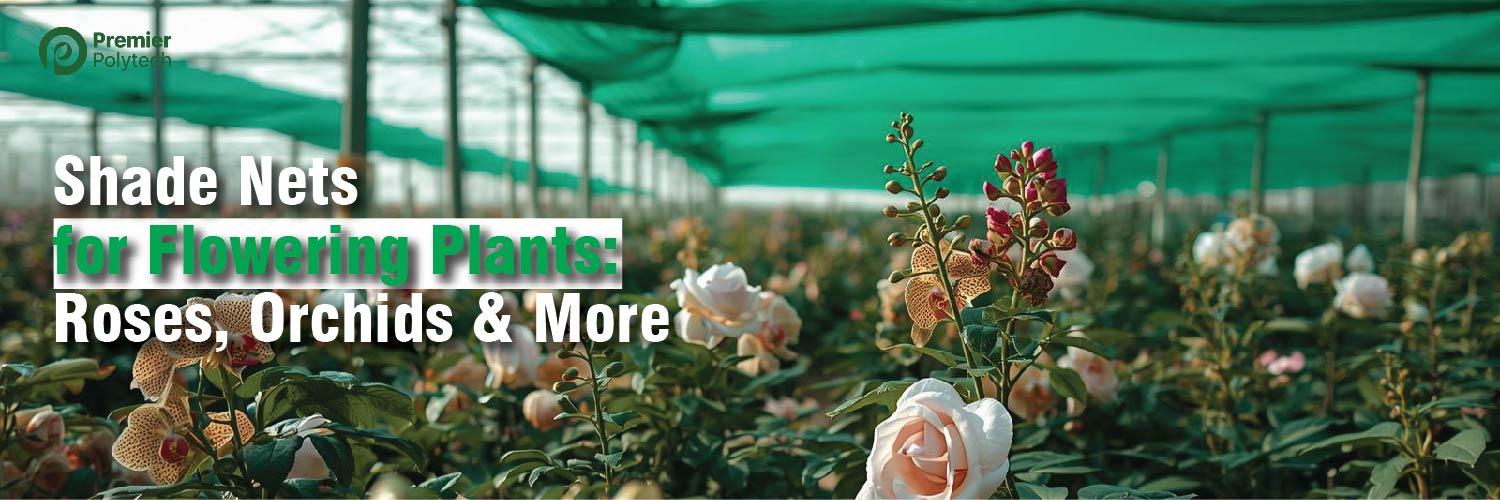
Shade Nets for Flowering Plants: Optimizing Light for Roses, Orchids, and Floriculture Success

Shade Nets for Flowering Plants: Optimizing Light for Roses, Orchids, and Floriculture Success

Introduction: The Delicate Balance of Light

Flowering plants, whether grown for commercial purposes (floriculture) or personal passion, are highly sensitive to environmental conditions. Unlike vegetables, which primarily need light for leaf growth, flowering plants require a precise balance of light intensity and duration to trigger budding, maximize color saturation, and extend the quality and life of the bloom.

Too much sun can scorch petals and leaves, while too little can lead to weak, pale flowers and delayed flowering.

HDPE Shade Nets are the definitive tool for achieving this delicate balance. By acting as a sophisticated light filter, these nets enable growers to tailor the light environment for specific high-value flowers like Roses, Orchids, Carnations, and more. This guide explores how shade nets are essential for producing premium quality flowers that command top market prices.


I. Why Shade Nets are Critical for High-Value Floriculture

The primary goal of using shade nets in floriculture is to control the quality and quantity of light and manage the microclimate to meet the flower’s specific biological needs.

1. Preventing Petal and Leaf Scorch

  • The Problem: High-intensity sunlight, especially during peak summer, can literally burn the pigments in delicate flower petals and the edges of leaves. This results in unsalable, damaged products.

  • The Solution: Shade nets (typically $35%$ to $75%$) reduce the light intensity, eliminating the risk of sunscald and ensuring leaves and flowers remain pristine and vibrant.

2. Controlling Photoperiod and Budding

  • Photoperiodism: Many flowering plants are sensitive to the length of the day (photoperiod). While a shade net does not change the day length, it allows growers to manage the light spectrum and intensity, influencing the physiological processes that initiate flowering.

  • Uniform Flowering: By creating a consistent light environment, shade nets help ensure a more uniform bloom period, which is crucial for commercial harvesting schedules.

3. Enhanced Color and Quality

  • Color Saturation: Direct, unfiltered sunlight can sometimes bleach or fade the color of flowers. By diffusing the light, shade nets help maintain deeper, richer, and more uniform color saturation in varieties like Roses and Gerberas, significantly increasing their market appeal.

  • Stem Strength: Moderate shade reduces heat stress, allowing the plant to focus energy on building strong, tall stems—a key quality factor for cut flowers.


II. Tailoring Shade Nets for Specific Flower Families

Different flowers have vastly different light requirements. Selecting the correct shade percentage is the most critical step.

1. Orchids (The Shade Lovers)

  • Requirement: Orchids (like Phalaenopsis and Cattleya) are epiphytes that naturally grow beneath a forest canopy, demanding heavy shade. They need bright, indirect light—never direct sun.

  • Recommended Net: 75% to 90% Shade Net. This provides maximum filtering, prevents leaf burn, and creates the high humidity levels they thrive in. The light should feel like standing in deep shade.

2. Roses (The Light Balancers)

  • Requirement: Roses need a high amount of light for optimal growth and flowering, but they cannot tolerate the extreme heat of the summer midday sun.

  • Recommended Net: 35% to 50% Shade Net. This balance reduces the intensity just enough to prevent wilting and scorch during summer while ensuring enough light penetration for abundant, high-quality blooms and strong stem development.

3. Carnations and Chrysanthemums (The Light Tolerant)

  • Requirement: These are robust flowers that can handle more light but benefit from temperature moderation.

  • Recommended Net: 35% Shade Net. This lighter shade is often sufficient to cool the environment, reduce moisture stress, and prevent leaf tip burn without significantly compromising the high light levels these plants prefer.


III. Additional Benefits in Floriculture

1. Pest and Disease Management

  • Disease Reduction: By helping to regulate humidity and temperature, shade nets reduce the excessive moisture fluctuations that often lead to fungal diseases like Powdery Mildew and Black Spot—common scourges in rose cultivation.

  • Reduced Water Stress: Consistent shading means less frantic watering during the heat of the day, leading to more stable root zone moisture and reducing stress-related disease susceptibility.

2. Water Efficiency

  • Conserving Resources: The reduced air temperature and minimal wind exposure under the net dramatically slow down evapotranspiration. For large-scale floriculture operations, this translates into substantial savings in irrigation water and costs.

3. Extending Growing Seasons

  • Summer Production: In regions where summer heat would normally halt production, shade nets allow growers to continue producing high-quality flowers year-round by creating an artificially cooler and more protected environment. This ensures a steady market supply.


IV. Maintenance Tips for Floriculture Nets

Because flower quality is linked directly to the net’s performance, proper maintenance is crucial:

  1. Monitor Light Meters: Use a light meter (or lux meter) regularly to ensure the net is providing the desired light intensity for your specific flower variety.

  2. Cleanliness is Key: Regularly hose down the net to remove dust, pollen, and debris. A dirty net can significantly reduce light transmission, leading to weak stem growth and pale colors.

  3. Check for Tears: Promptly repair any tears or holes. Even a small hole can let in a concentrated beam of light that can scorch a patch of valuable plants beneath it.


Conclusion: Investing in Bloom Quality

For serious floriculturists, shade nets are not just a piece of plastic; they are a sophisticated climate control system. By strategically selecting the correct shade percentage—from the heavy shade of $75%$ for Orchids to the moderate cooling of $35%$ for Roses—growers can master the delicate art of light management. This crucial investment ensures that every bloom is vibrant, high-quality, and structurally sound, guaranteeing maximum returns on your labor and land.


Frequently Asked Questions (FAQ)

Q1: Will a shade net slow down the flowering process?

A: If the shade percentage is too high, it can slow down or suppress flowering because the plant lacks the energy from light to produce buds. However, if the percentage is correct (e.g., $35%$ for Roses), the reduced heat stress actually supports the plant’s metabolism, often leading to better and more consistent bud formation.

Q2: Should I use a Black or Green net for my flowers?

A: Black nets absorb light and provide a uniform cooling effect, often preferred for general temperature control. Green nets transmit light with a green tint, which some growers believe promotes vegetative (leafy) growth, although the difference is often negligible compared to the shade percentage. White nets are preferred in extremely hot, arid zones for reflection.

Q3: What happens if a Rose plant gets too much shade?

A: If a Rose plant is placed under heavy shade (e.g., $75%$), it will suffer from etiolation. The stems will become long, thin, and weak as the plant stretches desperately for light. The flowers will be small, pale, and the number of blooms will drop drastically.

Q4: How does shade net usage change between seasons?

A: In commercial setups, it’s common to use different nets or layers. The highest shade percentage is needed during the peak summer months (April to July). In cooler seasons (Autumn/Winter), the net may be removed, or a lighter shade net (e.g., $35%$) may be used to maximize light exposure.