From Seed to Strong Sapling: How HDPE Nets Enhance Seedling Growth in Nurseries

From Seed to Strong Sapling: How HDPE Nets Enhance Seedling Growth in Nurseries
Introduction: The Critical Nursery Stage

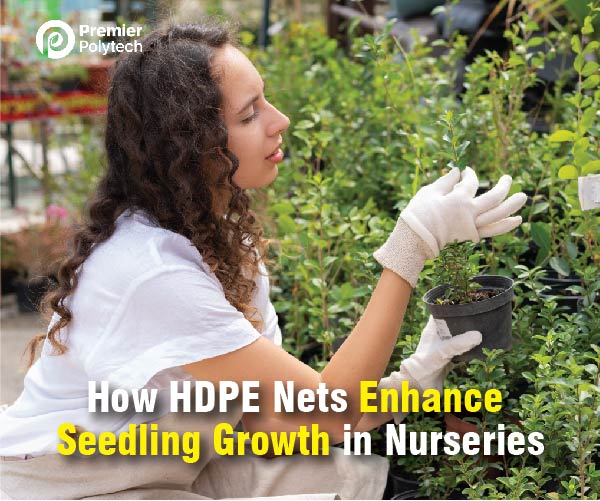
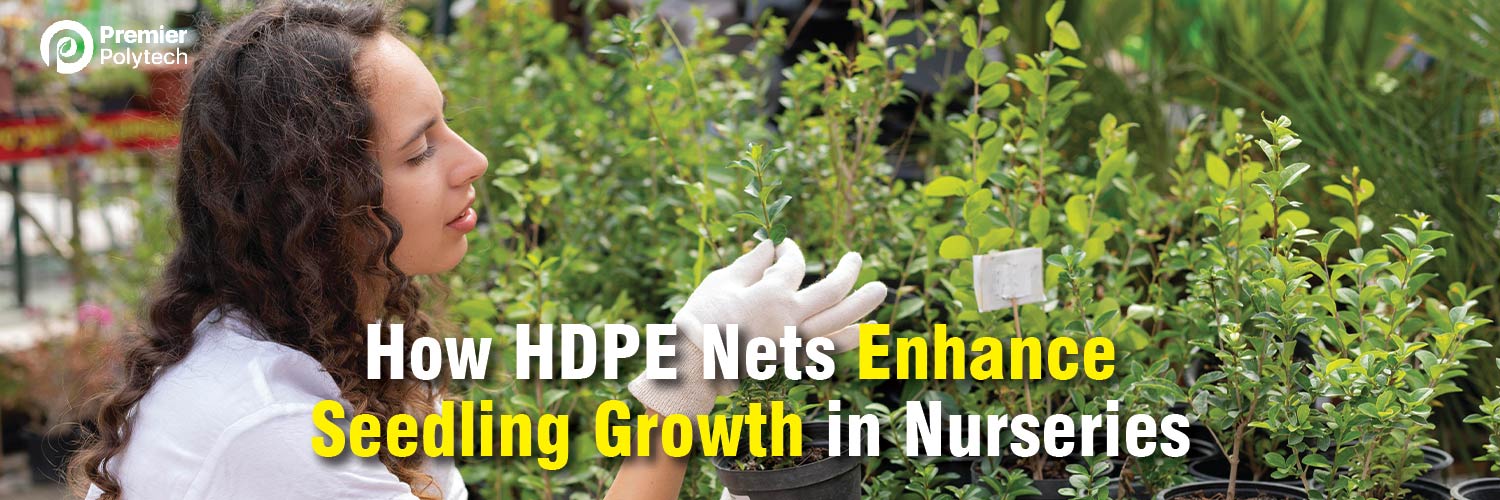
The nursery stage is arguably the most critical period in a plant’s life cycle. Healthy, vigorous seedlings are the foundation of a successful harvest. During this vulnerable time, seedlings face numerous threats, primarily from harsh weather, intense sunlight, and environmental stress.

High-Density Polyethylene (HDPE) Shade Nets have become indispensable tools for modern nursery management. These nets create a perfectly tailored microclimate, shielding the young plants while ensuring they receive the optimal balance of light, moisture, and temperature needed for robust and rapid growth.

This guide explores the scientific and practical ways in which HDPE nets enhance seedling growth, ensuring your saplings are strong, disease-resistant, and ready for successful transplantation.


I. Regulating the Microclimate: The Science of Shade

HDPE nets work by modifying the environment beneath them, solving three major problems faced by young plants.

1. Optimized Light Management

  • Preventing Photo-Oxidation: Intense, direct sunlight can cause “sunscald” or photo-oxidation, essentially burning the delicate leaves of young seedlings. HDPE nets, particularly those in the 50% to 75% range, filter the light, protecting the vulnerable plant tissue.

  • Diffused Light for Uniform Growth: The woven structure of the net scatters the light, converting harsh, direct rays into diffused light. This diffused light penetrates the entire canopy more evenly, promoting uniform photosynthesis across all leaves, rather than just the top layer. This results in bushier, healthier, and uniformly sized seedlings.

2. Temperature Mitigation

  • Cooling Effect: High ambient temperatures lead to excessive transpiration (water loss) in seedlings, causing dehydration and wilting. By blocking a significant portion of solar radiation, HDPE nets reduce the temperature inside the nursery by 5°C to 10°C (9°F to 18°F) during peak heat hours.

  • Reduced Heat Stress: This cooling effect minimizes heat stress, allowing the plants to divert energy from survival mechanisms to crucial growth processes like root development and leaf production.

3. Moisture and Humidity Control

  • Water Conservation: The reduced temperature under the shade net drastically lowers the rate of water evaporation from the soil and the plant surface. This translates to significant water savings and less frequent irrigation—a major cost-benefit for nurseries.

  • Stable Humidity: The netting helps maintain a more stable level of humidity, which is vital for new transplants and cuttings that have not yet established a strong root system capable of absorbing sufficient water from the soil.


II. Physical Protection and Structural Benefits

Beyond controlling light and heat, HDPE nets provide essential physical protection that contributes directly to seedling survival and quality.

1. Protection from Adverse Weather

  • Shield Against Rain and Hail: Heavy rainfall or hail can cause significant physical damage to delicate seedlings, breaking stems and tearing leaves. The netting breaks the velocity of raindrops, reducing their damaging impact and preventing soil splash, which can spread diseases.

  • Wind Protection: Strong winds cause plants to shake and dry out rapidly. The net acts as an effective windbreak, protecting the seedlings from mechanical damage and reducing excessive moisture loss.

2. Pest and Bird Exclusion

  • Physical Barrier: The density of the net acts as a basic physical barrier against larger pests like birds and rodents, which are notorious for damaging young nursery stock.

  • Reducing Chemical Reliance: By excluding larger threats, the nursery can reduce its reliance on chemical pesticides, leading to healthier, cleaner seedlings and lower operational costs.

3. Optimized Structure for Hardening

  • Phased Acclimatization: Farmers can strategically move seedlings from a high-shade area (e.g., $75%$ net) to a lower-shade area (e.g., $50%$ net) just before transplanting. This process, known as hardening off, prepares the seedlings for the full sun of the open field, minimizing post-transplant shock and ensuring higher survival rates.


III. Selecting the Right Net for Nursery Success

The ideal shade percentage in a nursery depends heavily on the crop being grown and the ambient temperature.

Crop Type Recommended Shade Percentage Rationale
Vegetable Seedlings (Tomato, Cabbage) 35% to 50% Provides protection while ensuring enough light for rapid stem and leaf development.
Ornamentals & Cuttings (e.g., Carnation) 50% to 75% Requires moderate shade for better coloring and to promote root growth without stress.
Medicinal Plants & Ferns 75% to 90% Needs maximum shade as these are naturally low-light-loving plants.
Initial Seed Germination Area 75% High shade provides cool, stable conditions for the first few days of sprouting.

Conclusion: The Foundation of a Flourishing Farm

HDPE shade nets are more than just a cover; they are a sophisticated climate management tool. By scientifically balancing light, temperature, and moisture, these nets transform a harsh environment into an ideal incubator, promoting superior root development, sturdy stems, and disease resistance in seedlings.

For any farmer, investing in a high-quality HDPE net for the nursery stage is the single most effective way to secure the foundation of their future harvest, ensuring successful transplantation and ultimately, higher yields and profitability.


Frequently Asked Questions (FAQ)

Q1: What is the most common mistake when using shade nets in a nursery?

A: The most common mistake is using a net with too high a shade percentage for the crop. Too much shade leads to “legginess” (etiolation)—tall, thin, weak stems that stretch for light. This results in poor seedlings that suffer severe transplant shock.

Q2: Does the color of the HDPE net matter for seedlings?

A: Yes, the color can affect the quality of light. Black provides maximum heat reduction and simple shade. Green nets allow for light that is often considered beneficial for vegetative growth. White nets reflect more heat and diffuse light more widely, often preferred in very hot, arid regions.

Q3: Should I remove the net on cloudy or rainy days?

A: Generally, no. The shade net is part of the permanent structure, providing protection from wind and large rain drops. Removing and reinstalling it frequently causes wear and tear. Only if you notice the seedlings are struggling due to severely low light for prolonged periods should you consider partial removal.

Q4: How important is ventilation in a shade net nursery setup?

A: Extremely important. While the net provides shade, good ventilation (i.e., open sides or tall structures) is essential to prevent heat buildup and high humidity, which can promote fungal and bacterial diseases like damping-off. The net must be installed correctly to allow free airflow.
Maximizing Farm Profit: Cost-Effective Agricultural Shading Solutions by Premier Polytech

Maximizing Farm Profit: Cost-Effective Agricultural Shading Solutions by Premier Polytech

Introduction: The Smart Farmer’s Investment


In modern agriculture, protective cultivation is a necessity, not a luxury. However, for small and medium-scale farmers, the initial investment in high-quality shading solutions can be a barrier. The challenge lies in finding products that offer premium durability and maximum crop protection without breaking the bank.

This is where Premier Polytech steps in. As a leading manufacturer specializing in innovative polymer-based products, Premier Polytech has earned a reputation for providing robust, UV-stabilized, and yet remarkably cost-effective agricultural shading solutions designed to maximize farm profitability and minimize long-term expenses.

This article dives into why Premier Polytech’s shade nets are the smart choice for farmers seeking high-value, budget-friendly protection for their valuable crops.


I. Premier Polytech’s Value Proposition: Quality Meets Affordability


Premier Polytech focuses on striking the perfect balance between material excellence and accessible pricing, addressing the core financial concerns of the average farmer.


1. High-Density Polyethylene (HDPE) Advantage


Premier Polytech nets are manufactured using virgin, high-density polyethylene (HDPE). This material is chosen for several key reasons:

  • UV Stabilization: Their nets are heavily treated with UV stabilizers (typically $3%$ to $5%$) during the manufacturing process. This ensures the net resists degradation from harsh sunlight, guaranteeing an extended lifespan and reducing the frequency of net replacement.

  • Superior Tensile Strength: The knitting structure provides excellent tensile strength and tear resistance, making the nets durable against high winds and physical stress—a critical factor for reducing repair costs.


2. Manufacturing Efficiency


By utilizing advanced, large-scale manufacturing processes, Premier Polytech achieves economies of scale. This efficiency translates directly into lower production costs, allowing the company to offer high-quality nets at prices that are significantly more accessible than imported or boutique alternatives.


3. Reducing Long-Term Costs


The true cost-effectiveness of these nets comes from their longevity and performance:

  • Fewer Replacements: Due to the high-grade UV stabilization, their nets last significantly longer than cheaper, non-branded options, cutting down on procurement costs over a decade.

  • Better Crop Yields: By providing precise shade percentages (available from $35%$ to $90%$), the nets optimize the microclimate, resulting in better plant health, improved quality, and ultimately, higher market value for the farmer.


II. Key Cost-Effective Shading Solutions


Premier Polytech offers a variety of products to suit different farming needs, all engineered for maximum cost-effectiveness.


1. Standard Shade Nets (35% to 75% Coverage)


  • Application: Ideal for most vegetables (Capsicum, Tomato), nurseries, and floriculture.

  • Cost-Benefit: These are the workhorse products. Their durability ensures the net remains taut and effective for years, protecting crops from heat stress, sunscald, and pest entry, leading to consistent harvests without expensive maintenance.


2. Anti-Hail and Bird Protection Nets


  • Application: Covering vineyards, orchards, and high-value vegetable plots.

  • Cost-Benefit: While the initial cost is slightly higher, this net acts as insurance. A single hailstorm can wipe out an entire season’s harvest. Investing in this protective layer saves the farmer from catastrophic financial losses, making it an incredibly cost-effective decision.


3. Windbreak Nets


  • Application: Protecting sensitive crops in high-wind zones, typically installed on the perimeter.

  • Cost-Benefit: Strong winds cause physical damage and rapid moisture loss in plants. Premier Polytech’s durable windbreaks stabilize the farm microclimate, preventing crop damage and reducing irrigation needs, directly saving water and labor costs.


III. Technical Features That Deliver Value


The design and knitting pattern of Premier Polytech nets are key to their superior performance and cost-effectiveness:

Technical Feature Benefit to the Farmer Cost-Effective Implication
Grommet/Eyelet Reinforcement Allows for secure, tear-resistant installation. Reduces material waste and labor during installation; minimizes net damage from high winds.
Uniform Weave Pattern Provides consistent, uniform light diffusion across the entire covered area. Ensures all plants receive optimal light, preventing stunted growth or sunscald in specific patches, maximizing total yield.
Custom Roll Sizes Available in various widths and lengths. Reduces waste from unnecessary cutting and splicing, ensuring the farmer pays only for what they need for their specific plot size.
Lightweight Yet Strong Easy to handle, install, and dismantle. Lowers labor costs and time required for setup and maintenance.


IV. Conclusion: Secure Your Harvest, Secure Your Finances


Choosing agricultural shading is a strategic business decision. By selecting solutions from Premier Polytech, farmers are not just buying a net; they are investing in a durable, scientifically engineered product that is optimized for longevity and performance in challenging climates.

Premier Polytech’s commitment to high-grade HDPE and manufacturing excellence ensures that their shade nets provide the most reliable protection per rupee spent, allowing small and medium farmers to consistently maximize their yields and secure their future profitability.


Frequently Asked Questions (FAQ)


Q1: Why is Premier Polytech’s net considered cost-effective compared to local, cheap alternatives?


A: Local, cheap nets often lack proper UV stabilization. While they are inexpensive initially, they degrade and tear within 1-2 years, forcing the farmer to repurchase and reinstall frequently. Premier Polytech’s UV-stabilized nets offer a lifespan of 3-5+ years, making the long-term cost significantly lower.


Q2: Does the shade net color affect the cost?


A: Typically, no. The cost is primarily determined by the GSM (Grams per Square Meter), which dictates the amount of material used, and the shade percentage (density). Both Green and Black nets of the same density usually fall within a similar price range.


Q3: How can a farmer verify the quality of a Premier Polytech shade net?


A: A reliable method is to check the GSM (weight) of the net, which indicates the material density and durability. Additionally, look for clear labeling or documentation confirming the inclusion of UV stabilizers (e.g., $3%$ to $5%$) and the specific HDPE grade used.


Q4: How long does Premier Polytech guarantee their shade nets will last?


A: While the exact warranty varies by product line and density, Premier Polytech generally offers a guaranteed performance period, often specifying a minimum lifespan (e.g., 3 to 5 years) under normal climatic conditions, provided the net is installed correctly.

Mono Tape vs. Mono Mono: Which Shade Net Weave Should You Choose for Your Farm?

Mono Tape vs. Mono Mono: Which Shade Net Weave Should You Choose for Your Farm?

Introduction: Understanding the Weave is Key


When selecting a shade net for your farm, you probably focus first on the Shade Percentage (e.g., 50% or 75%) and the Color (e.g., Black or Green). However, a crucial, often overlooked factor is the Weave Type.

The weave determines the net’s strength, longevity, stretch resistance, and airflow—all critical factors for long-term farming success and protecting your investment against harsh weather.

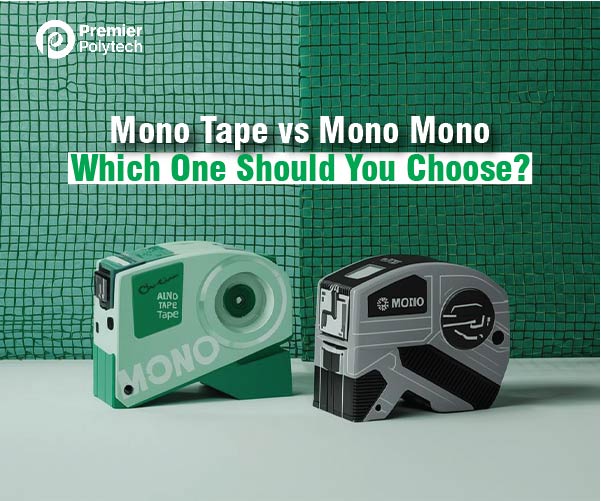
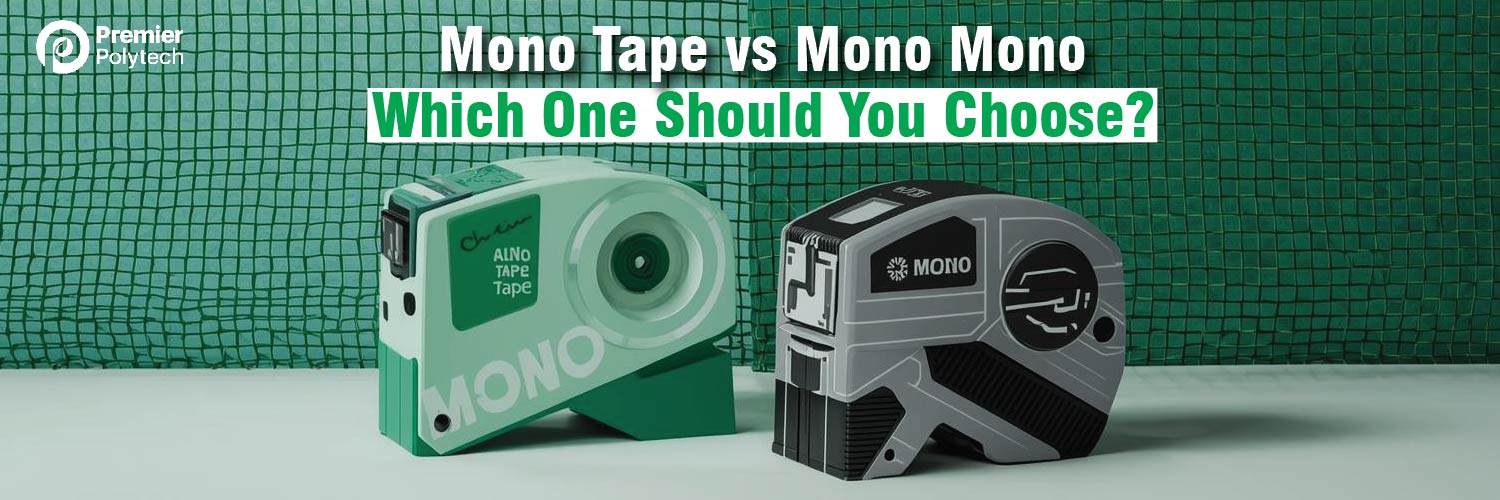
In the world of HDPE (High-Density Polyethylene) shade nets, the debate often comes down to two primary construction types: Mono Tape (Monofilament + Tape) and Mono Mono (Monofilament + Monofilament). This guide breaks down the technical differences to help you choose the best net for your specific climatic conditions and crop requirements.


I. Decoding the Construction Types


The name of the shade net weave tells you exactly what kind of thread (yarn) is used in the two main directions of weaving: the Warp (longitudinal threads) and the Weft (transverse/cross threads).


1. Mono Tape (Monofilament + Tape)1


This is a hybrid construction that uses two different types of yarns:

  • Warp: Monofilament yarn (single, round, thick strand, like fishing line).2


  • Weft: Tape yarn (flat, ribbon-like strip).3


The “Mono” provides the strength and structure, while the “Tape” provides the bulk and coverage needed to achieve the desired shade percentage.4


2. Mono Mono (Monofilament + Monofilament)


This is a pure monofilament construction that uses the same type of yarn for both directions:

  • Warp: Monofilament yarn (single, round, thick strand).5


  • Weft: Monofilament yarn (single, round, thick strand).6


This net is essentially an open, strong mesh made entirely of round, durable threads, prioritizing tensile strength and minimal stretch.7


II. Comparative Analysis: Mono Tape vs. Mono Mono


Understanding the advantages and disadvantages of each type is essential for matching the net to your farm’s needs.

Feature Mono Tape (Monofilament + Tape) Mono Mono (Monofilament + Monofilament)
Tensile Strength & Durability Medium to High. Strong in the warp direction (Mono), but slightly weaker against tearing due to the flat tape threads. Highest. Exceptionally high tensile strength in both directions. Highly resistant to tearing and fraying.
Stretch Resistance Moderate. The flat tape yarns can be slightly prone to stretching over time, especially when subjected to constant tension. Very High. Minimal stretch. Can be pulled tighter across a structure and holds tension better over years.
Airflow & Ventilation Good. The flat tape yarns provide excellent light blockage but can slightly impede maximum airflow compared to the open round mesh. Excellent. The round monofilament threads create an open, uniform mesh, maximizing breathability and heat escape.
Longevity Long. Typically 3–5 years, depending on the GSM and UV stabilization. Very Long. Typically 5–8+ years. The superior material integrity offers better resistance to extreme UV and weather.
Light Diffusion Lower Diffusion. The flat tape yarns provide denser, direct shade, which can create distinct shadows. Higher Diffusion. The round threads and mesh structure scatter light more evenly, resulting in diffused, softer light underneath.
Cost More Economical/Mid-Range. More cost-effective due to the tape yarn construction. Premium/Higher Cost. More expensive due to the use of higher-quality, heavier monofilament threads throughout.


III. Which Net Should You Choose? The Application Guide


Your choice should be determined by balancing your budget, the severity of your local weather, and the value of the crops you are protecting.


Choose Mono Tape (Monofilament + Tape) If:


  1. You Have a Moderate Budget: Mono Tape nets offer a fantastic balance of durability and cost-effectiveness, making them ideal for the majority of small and medium farms.

  2. Your Structure is Temporary or Seasonal: For seasonal net houses or structures that are dismantled annually, the stretch and lifespan limitations are less of a concern.

  3. Your Climate is Moderate: In areas with moderate wind and stable weather conditions, the Mono Tape net provides ample protection without the need for the premium strength of Mono Mono.

  4. You Need High Shade Percentage at Lower GSM: The flat tape thread naturally provides more coverage (shade) at a slightly lower Grams per Square Meter (GSM).8


Ideal for: General vegetable cultivation (tomato, capsicum), seasonal nurseries, temporary livestock shading, and budget-conscious farmers.


Choose Mono Mono (Monofilament + Monofilament) If:


  1. You Face Extreme Weather: In regions with high, persistent winds, heavy rainfall, or frequent hailstorms, the superior tensile strength and tear resistance of Mono Mono are non-negotiable.9


  2. You Are Building a Permanent Structure: For permanent, high-investment structures like commercial net houses and greenhouses, the extra initial cost is justified by the extended 5-8+ year lifespan.

  3. You Need Maximum Airflow: In high-humidity or very hot areas where heat buildup is a major risk, the exceptional ventilation provided by the uniform round mesh is critical for plant health.10


  4. Your Crops Are High-Value: If you are growing high-value crops (e.g., exotic flowers, specialized herbs, high-demand seedlings) where any loss due to net failure would be catastrophic, Mono Mono is the safer choice.

Ideal for: Commercial floriculture, permanent high-tunnel structures, high-altitude/coastal areas prone to high winds, and premium nursery operations.


Conclusion: Making Your Final Decision


The difference between Mono Tape and Mono Mono lies in the trade-off between cost-efficiency and maximum strength.

  • The Mono Tape net is the versatile workhorse—providing strong, reliable shade at a great value.

  • The Mono Mono net is the premium performer—offering industry-leading strength, maximum longevity, and the best structural integrity for challenging environments.

For most small to medium farmers looking for excellent, durable protection, the Mono Tape net is often the perfect, cost-effective solution. However, if your location is windy, and you are building a decade-long asset, investing in Mono Mono will pay for itself in reduced replacement and repair costs.


Frequently Asked Questions (FAQ)


Q1: Does the weave type affect the shade percentage?


A: No, the weave type (Mono Tape or Mono Mono) does not inherently dictate the shade percentage. Both types are available in all common percentages (e.g., 35%, 50%, 75%). The shade percentage is achieved by controlling the density of the knitting, regardless of the yarn shape.


Q2: Which weave is better for preventing insect entry?


A: Neither weave is specifically designed to be an Insect Net. Insect nets are specialized meshes with much finer, defined hole sizes. However, because Mono Mono nets are inherently stronger and can be tensioned tighter without stretching, they may maintain their structural integrity better over time, which is indirectly beneficial.11


Q3: What does ‘UV Stabilized’ mean for these nets?


A: UV Stabilization means that the HDPE polymer contains additives that protect the net material itself from breaking down due to the sun’s harsh ultraviolet radiation. Both Mono Tape and Mono Mono nets must be UV stabilized (usually $3%$ to $5%$) to ensure their advertised lifespan.


Q4: Can I repair small tears in these nets?


A: Yes. Small tears can usually be repaired using heavy-duty UV-stabilized thread and needle, or by applying specialized shade net repair tape or heavy-duty plastic clips. Because the Mono Mono structure is less prone to “running” (like a run in a stocking), its repairs tend to hold better.

Applications of 90% HDPE Shade Nets in Hot Weather: Maximum Protection and Cooling

Applications of 90% HDPE Shade Nets in Hot Weather: Maximum Protection and Cooling

Introduction: Why Choose a 90% Shade Net?

When it comes to protecting crops or any outdoor activity from extreme heat and scorching sunlight, a standard shade net is often insufficient. The 90% HDPE (High-Density Polyethylene) Shade Net is specifically designed to meet this challenge.

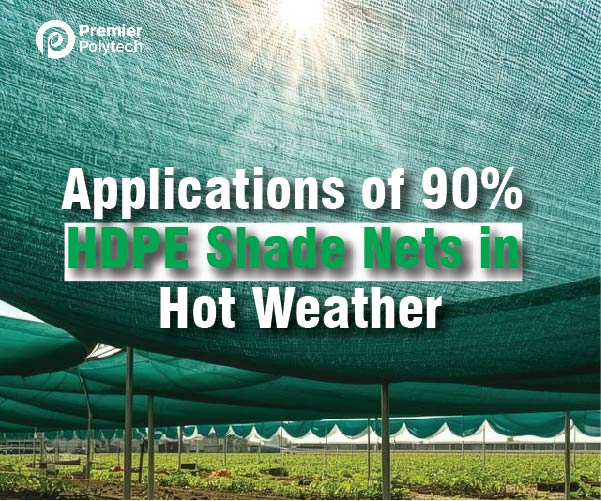
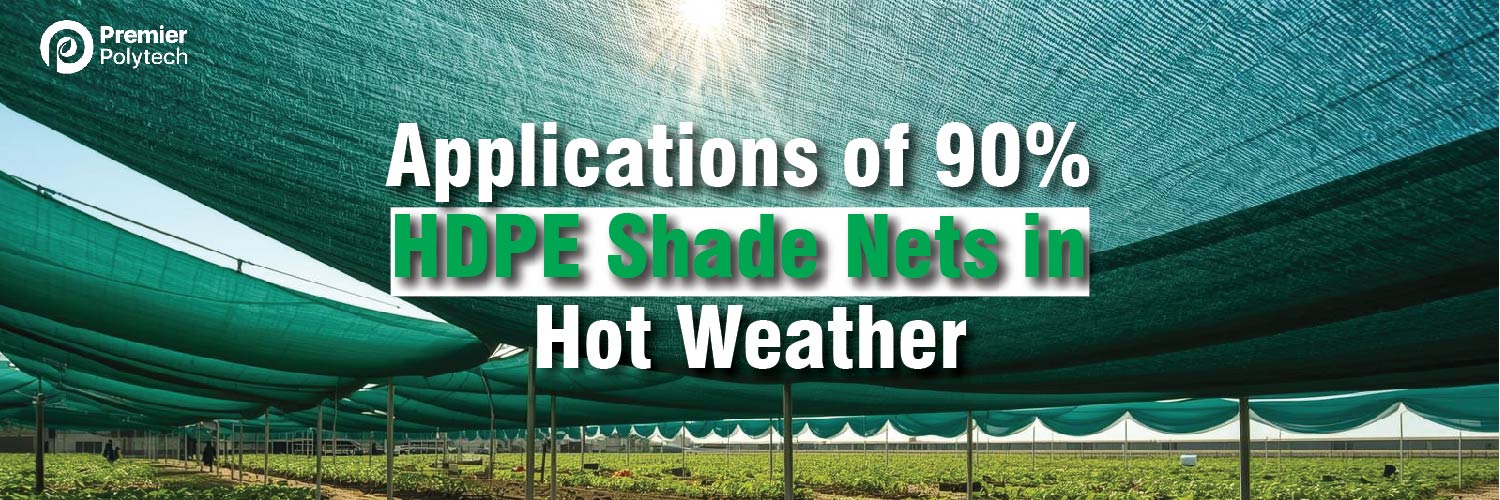
This high-density mesh blocks up to 90% of solar radiation, creating a deep, cool microclimate beneath the structure. While 30% or 50% nets are common for general vegetables, the 90% net is a specialized solution reserved for applications demanding maximum shade, cooling, and UV protection.

This article explores the primary applications and benefits of 90% HDPE shade nets, particularly in regions experiencing intense, hot weather.


I. Specialized Applications in Agriculture and Horticulture

The use of 90% shade nets in agriculture is crucial for specific crops or stages that require the highest degree of protection:

1. Nursery Management and Seed Germination

  • Protecting Delicate Stages: Small, tender seedlings emerging after germination are incredibly sensitive to intense sunlight. A 90% shade net prevents them from getting sun-scorched and drying out quickly.

  • Hardening Stage: In very hot climates, plants are often placed under 75% to 90% netting before field transplantation (hardening) to allow them to gradually acclimatize to the harsher outdoor environment.

  • Shade-Loving Plants: Specific crops like Orchids, Ferns, and certain ornamental plants naturally require very low light levels. In hot weather, the 90% net provides the near-darkness necessary for their optimal growth.

2. Mushroom Cultivation and Niche Crops

  • Darkness Requirement: Mushrooms thrive in cool, dark conditions. A 90% shade net helps maintain the necessary light reduction and temperature control in outdoor mushroom sheds.

  • Leafy Greens and Root Crops: In extremely hot weather, leafy vegetables like Spinach and Lettuce, and certain root crops, can be prone to “bolting” (flowering prematurely) or becoming bitter due to high heat stress. Using a 90% net can mitigate this stress and improve quality.


II. Non-Agricultural Applications: Protecting People, Animals, and Property

90% shade nets are highly popular outside of farming, where maximum coverage and a physical barrier are the primary requirements.

1. Livestock and Poultry Shelters

  • Preventing Heat Stress: High temperatures cause ‘Heat Stress’ in cattle, goats, and poultry, leading to reduced milk production, egg laying capacity, and fertility.

  • Maximum Cooling: By using 90% nets over cattle sheds and poultry houses, maximum shade is provided, keeping the ambient temperature at a tolerable level for the animals. This is critical for maintaining their productivity and health.

2. Construction Sites and Safety

  • Worker Shade: 90% nets are used to cover scaffolding and temporary rest areas on construction sites to protect workers from intense sun and heat, significantly reducing the risk of heat stroke.

  • Dust Control and Privacy: The high density helps contain dust, debris, and construction materials from spreading. It also acts as an effective visual barrier, maintaining site privacy.

3. Parking and Vehicle Protection

  • Vehicle Cooling: In hot regions, 90% shade nets are ideal for carports and parking lots. The net dramatically reduces the internal temperature of the car by blocking direct solar radiation.

  • Protection from UV Damage: It shields the vehicle’s paint, dashboards, and plastic trim from UV damage (fading and cracking), thus extending the vehicle’s lifespan.

4. Residential and Outdoor Areas

  • Privacy Screens: On balconies, patios, and fences, 90% netting acts as an effective privacy screen while also reducing harsh wind and dust infiltration.

  • Recreational Areas: It is used to shade children’s playgrounds, swimming pool areas, and outdoor seating for cafes, making these spaces cool and comfortable during peak summer hours.


III. Specific Benefits of the 90% HDPE Net

The HDPE material combined with its high shade density makes this net uniquely effective:

Benefit Description
Maximum Cooling 90% shade means minimal light penetration, resulting in a noticeably lower temperature beneath the structure compared to lower-density nets.
Superior UV Protection The HDPE material includes UV stabilizers, and the 90% density virtually blocks all harmful UV-A and UV-B radiation.
High Durability Due to the high density and close knitting, this net is more resistant to tearing, fraying, and damage caused by strong winds.
Water Conservation Intense shading reduces the rate of evaporation from the soil and plants, leading to a reduction in irrigation frequency and water consumption.
Multi-Purpose Use Its high shade value makes it indispensable across agricultural, industrial, and residential sectors for specialized protective needs.

IV. Conclusion

The 90% HDPE shade net is a specialized tool designed not for general agriculture, but for applications that demand extreme heat mitigation, intense sun protection, and specialized security. Whether you are saving delicate seedlings, protecting livestock from heat stress, or keeping construction workers safe, the 90% net offers a powerful, durable, and essential solution.


Frequently Asked Questions (FAQ)

Q1: Is a 90% shade net suitable for general vegetable farming?

A: No. A 90% shade net provides too much shade for most common vegetables (like tomatoes, peppers, cabbage), which can inhibit their growth and fruiting process (photosynthesis). Vegetables typically thrive under 30% to 50% shade. The 90% net is mainly reserved for the nursery stage or shade-loving leafy greens in extreme heat.

Q2: Which color is most effective for 90% shade nets?

A: The choice of color depends on the objective:

  • Black: Provides the deepest shade and maximum temperature reduction, making it popular for livestock shelters and parking.

  • White: Diffuses the light and reflects more heat, which can be better for delicate plants in extremely hot conditions.

Q3: How much can the temperature drop under a 90% net?

A: This depends on the area’s humidity and ventilation, but in a properly ventilated setup, the net can reduce the temperature by 5°C to 10°C (or 10°F to 18°F) compared to the outside ambient temperature, making the inner environment significantly more comfortable.

Q4: Is a 90% shade net waterproof?

A: No. HDPE shade net is knitted mesh, meaning it allows water to pass through. It lets rainwater reach the plants while reducing the size of the droplets to prevent physical damage. It is not fully waterproof.

The Right Shade Factor: A Complete Guide to 50%, 75%, and 90% HDPE Shade Nets

The Right Shade Factor: A Complete Guide to 50%, 75%, and 90% HDPE Shade Nets

Introduction: Precision Climate Control

In the world of protected cultivation and industrial safety, one size rarely fits all. The effectiveness of an HDPE shade net hinges entirely on its shade factor—the precise percentage of sunlight it is designed to block. Choosing the wrong factor can lead to poor plant growth (too dark) or inadequate protection (too bright/hot).

High-Density Polyethylene (HDPE) shade nets, renowned for their UV stability and durability, come in a range of light-blocking percentages, with 50%, 75%, and 90% being the most common and versatile industrial standards. This comprehensive guide will break down the distinct characteristics, applications, and suitability of each shade factor, helping you make the optimal choice for your specific agricultural, commercial, or industrial project.

Understanding the Shade Factor

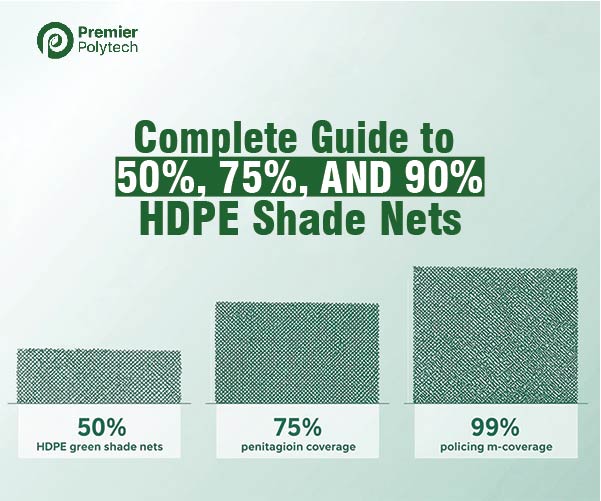
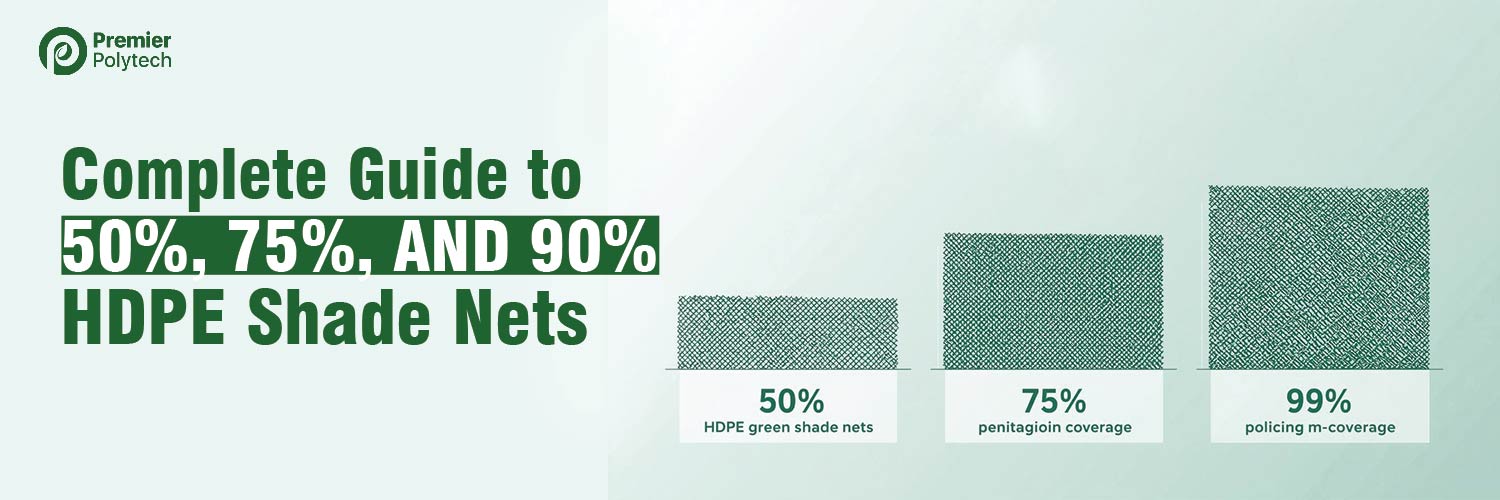
The shade factor directly refers to the amount of solar radiation intercepted by the net. For example, a 50% shade net allows approximately 50% of the natural sunlight to pass through, while a 90% shade net blocks 90%, allowing only 10% to pass. This percentage influences three critical microclimate factors:

  1. Light Intensity: Crucial for photosynthesis.
  2. Temperature: The higher the block, the greater the cooling effect.
  3. Heat Load: The total solar energy impacting the crop or site.

1. The 50% Shade Net: The Generalist’s Choice

The 50% shade net is the most commonly used factor, striking a perfect balance between high light transmission and significant heat reduction. It is the workhorse of both the agricultural and commercial sectors.

Key Characteristics:

  • Light Transmission: High (50% light allowed).
  • Weave Density: Moderate.
  • Microclimate Effect: Provides moderate cooling and heat mitigation.

Primary Applications:

A. Agriculture (The All-Season Generalist):

  • Open-Field Vegetables: Ideal for protecting crops like tomatoes, cucumbers, peppers, and cauliflower during intense summer months, preventing sun-scald while maintaining sufficient light for fruiting.
  • Field Nurseries: Protecting established young trees, shrubs, and hardy ornamentals that need some shade but thrive in bright conditions.
  • Cattle Sheds/Poultry: Provides adequate relief from direct sun exposure without creating excessive darkness.

B. Commercial/Industrial:

  • General Parking Lots: Offers sufficient shade to lower vehicle internal temperatures without making the area excessively dark.
  • Sports Field Boundaries: Used as a durable windbreaker and background screen that doesn’t completely block the view.

2. The 75% Shade Net: The Specialist for Delicate Environments

The 75% shade net offers significantly more light reduction and cooling, making it the preferred choice for shade-loving plants and environments requiring maximum containment.

Key Characteristics:

  • Light Transmission: Low (25% light allowed).
  • Weave Density: High.
  • Microclimate Effect: Provides substantial cooling, significantly reduces heat stress, and is highly effective at filtering dust.

Primary Applications:

A. Agriculture (The High-Value Specialist):

  • Foliage and Ornamentals: Essential for plants that are highly sensitive to direct sunlight, such as orchids, indoor foliage, and exotic flowering plants.
  • Propagation/Hardening Nurseries: Used to harden-off delicate seedlings and tissue culture plants, providing a protective transition zone before they are moved to brighter light.
  • Leafy Greens: Optimal for high-quality leafy vegetables and herbs that can bolt or burn under intense light.

B. Construction and Safety (Maximum Containment):

  • Dust and Debris Netting: The high weave density makes 75% nets highly effective as scaffolding nets for debris containment and superior dust control in densely populated urban areas.
  • Privacy Screening: Ideal for perimeter fencing around construction sites or storage yards, providing near-total visual screening.

3. The 90% Shade Net: The Intensity Blocker

The 90% shade net blocks the maximum amount of light, creating a deep shade environment suitable for the most sensitive applications.

Key Characteristics:

  • Light Transmission: Very Low (10% light allowed).
  • Weave Density: Extremely High (often near solid).
  • Microclimate Effect: Maximum temperature reduction and deep shade; also acts as a powerful wind barrier.

Primary Applications:

A. Agriculture (The Deep Shade Requirement):

  • Blackout/Complete Shade: Used for specialized crops or processes that require minimal light, such as mushroom cultivation, specific flower induction, or processes requiring a near-dark environment.
  • Seedling Germination: Providing the initial dark, humid environment for seed trays during the first few days of germination.

B. Industrial and Storage (Maximum Protection):

  • Critical Asset Storage: Covering highly sensitive outdoor inventory, chemicals, or equipment that absolutely cannot be exposed to any UV light or direct sun.
  • Temporary Dark Rooms: Used to create temporary blackout conditions on industrial sites for specific tasks or processes.
  • Visual Barriers: The densest material for maximum visual obstruction and privacy.

Choosing the Right Net: A Decision Matrix

Selecting the correct shade factor requires evaluating your crop, climate, and purpose.

Purpose Light Requirement Recommended Shade Factor Typical Usage
Heat Stress Reduction High Light Tolerant 50% Fruiting vegetables, livestock
Sun-Scald Protection Medium Light Tolerant 50% – 75% Cut flowers, soft fruits (e.g., strawberries)
Shade-Loving Plants Low Light Tolerant 75% Orchids, propagation, foliage plants
Dust/Debris Control N/A 75% – 90% Construction scaffolding, mining sites
Max Cooling/Privacy N/A 90% Storage, temporary blackout areas

Conclusion: Investing in Precision

The days of simply throwing up “some shade” are long gone. By understanding the distinct roles of 50%, 75%, and 90% HDPE shade nets, growers and project managers can select a tool that precisely meets the microclimate or safety requirements of their operation. Investing in the correct shade factor is an investment in plant health, worker safety, regulatory compliance, and maximum long-term profitability. By choosing precision, you secure a more predictable and successful outcome.

Frequently Asked Questions (FAQ) – SEO Optimized

Q1: Will a 90% shade net be too dark for my leafy vegetables?

A: Yes, a 90% shade net is generally too dark for most leafy vegetables (like lettuce or spinach). They require medium light intensity. Using 90% shade will likely lead to etiolation (stretching and pale color) and significantly reduced yield. A 50% or 75% net is typically recommended for leafy greens, depending on the climate.

Q2: Does a higher shade factor mean better dust control on a construction site?

A: Yes. In the context of dust control, a higher shade factor (like 75% or 90%) indicates a denser weave and smaller mesh openings. This tighter construction is more effective at physically intercepting and containing airborne dust and debris particles compared to a looser 50% net.

Q3: Can I combine shade nets?

A: Yes, many growers use this technique to achieve a customized shade level. For example, layering a 50% net over another 50% net does not create 100% shade, but a much darker environment, often around 75% to 80% shade. This flexibility allows for seasonal adjustments or specific crop needs.

Q4: Do all shade net colors block the same amount of light at the same percentage?

A: While the shade factor (e.g., 50%) is the same regardless of color, the quality of the light and the resulting temperature under the net differ. White/Pearl nets reflect more heat for maximum cooling, while Black nets absorb heat and provide the most uniform light reduction across the spectrum.

Q5: What happens if I use a 90% shade net during the winter?

A: Using a 90% shade net during winter will likely result in insufficient light for most plants, as the sun’s intensity and angle are already lower. The resulting low light and temperature conditions will stunt growth, leading to very poor or nonexistent yields. Shade nets are typically removed or replaced with lower factors during winter.