
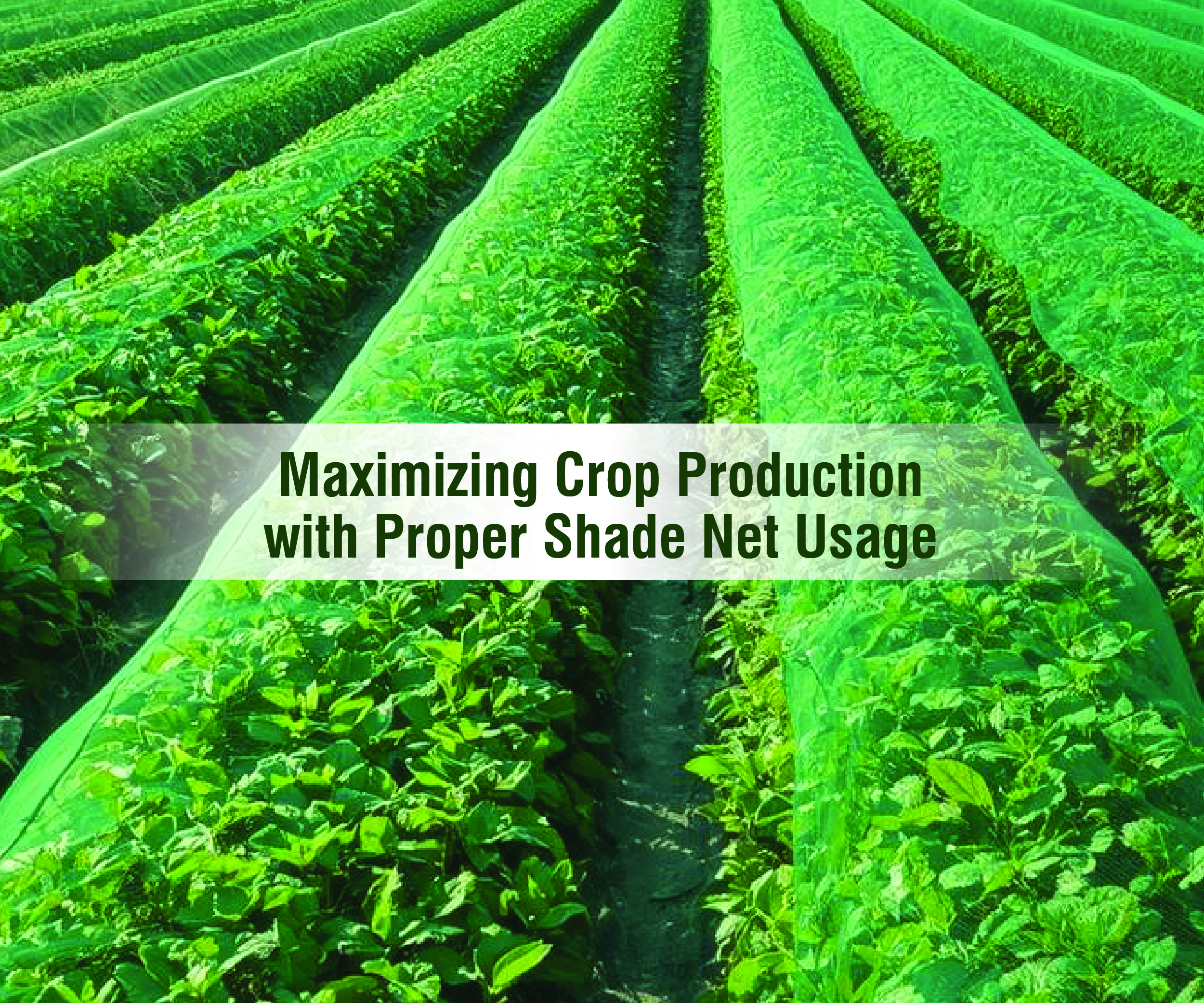
Harvest High: Maximizing Crop Production with Proper Shade Net Usage
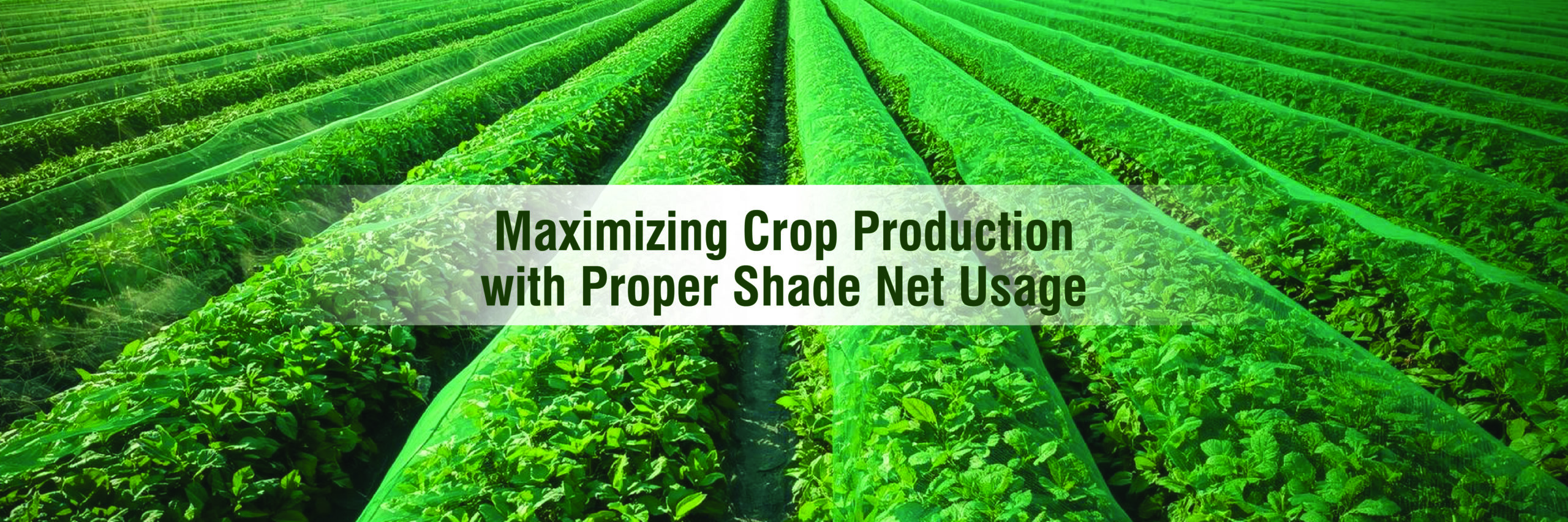
Introduction: From Protection to Production
In modern agriculture, the margin between a good harvest and a record-breaking yield often lies in mastering the microclimate. While shade nets are famous for protecting crops from harsh weather, their true value lies in their ability to optimize the environment, allowing plants to divert maximum energy toward growth, flowering, and fruit development.
Proper shade net usage involves strategic selection, precise installation, and dynamic management. When deployed correctly, HDPE shade nets transform an unpredictable outdoor environment into a stable, high-efficiency growth chamber, directly leading to higher output and superior quality.
This guide details the essential strategies for using shade nets not just for survival, but for actively maximizing your crop production.
I. Strategic Selection: Matching Net to Yield Goal
Maximizing production begins with selecting the exact net required for your specific crop and climate.
1. The Critical Choice: Shade Percentage
The biggest mistake is miscalculating the light required for photosynthesis versus the shade required for stress reduction.
-
Fruiting Crops (High Yield Goal): For high-light demand crops (Tomato, Capsicum, Cucumber), prioritize a lighter shade net (30% to 50%). This reduces heat stress and prevents sunscald while ensuring the plant receives maximum light energy for robust flowering and fruit set.
-
Leafy & Nursery Crops (Biomass Goal): For leafy greens (Lettuce, Spinach) and young seedlings, use a moderate shade net (50% to 65%). This prevents leaf scorching and bolting, prolonging the vegetative phase and increasing marketable biomass.
2. The Strength Factor: GSM
To maximize production, the net must remain stable throughout the season. Choose a high GSM (Grams per Square Meter) net (e.g., $110 text{ GSM} +$) for structural longevity. A durable net resists tearing, minimizing costly mid-season failures that destroy yield.
3. Color Choice for Quality
-
Black/Green: Best for overall cooling and durability.
-
White/Pearl: Excellent for maximizing diffuse light (light scattered evenly). Diffused light penetrates the lower canopy, ensuring more uniform production across the entire plant—a key factor in maximizing total yield.
II. Optimizing the Growth Environment
Proper shade net usage focuses on stabilizing the two key variables: temperature and moisture.
1. Maintaining Optimal Temperature for Flowering
-
Preventing Flower Drop: High temperatures (often above $35^circ C$ or $95^circ F$) cause many crops to abort their flowers, immediately destroying yield potential.
-
Production Benefit: By lowering the internal temperature by $5^circ C$ to $10^circ C$, the shade net keeps the plant in its reproductive sweet spot, ensuring successful pollination and fruit retention.
2. Precision Water Management
-
Water Saving: Shade nets significantly reduce water loss through evapotranspiration. This is crucial because it ensures the plant has consistent water availability.
-
Nutrient Uptake: Stable soil moisture, protected by the net, allows for steady, reliable nutrient uptake from the roots. Erratic watering caused by high heat fluctuations leads to common production flaws like Blossom End Rot (BER). Stable moisture guarantees better quality and higher marketable yield.
III. Dynamic Management and Structural Excellence
The highest yields come from farms that manage their shade nets actively and ensure structural integrity.
1. Dynamic Control (Retractability)
-
Maximize Winter Light: If possible, use a retractable system. During low-light winter months or on cloudy days, retract the net to maximize available light and energy absorption.
-
Targeted Protection: Deploy the net only during peak stress hours (typically 11 AM to 4 PM) in transitional seasons. This ensures optimal light when needed and protection when required.
2. Perfect Tensioning for Longevity
-
Prevent Flapping: Follow the best practice of installing the net drum-tight. A taut net reduces wear and tear and prevents mid-season failure, thus protecting your yield investment.
-
Ventilation is Key: Ensure the structure is tall enough and has open sides (or high vents) to allow hot, humid air to escape. Good ventilation prevents the buildup of humidity, which can lead to fungal diseases that rapidly reduce production.
3. Hardening Off for Transplant Success
-
Nursery Yields: Use a high-shade net (e.g., $75%$) for initial seed germination. Before transplanting to the field, move the seedlings to a $50%$ shade net for 7–10 days. This hardening-off process prepares the plants for full sun, drastically increasing field survival rates and accelerating production.