
The Invisible Shield: How Shade Nets Prevent Pest and Disease Spread
Introduction: Beyond Sun Protection
In modern agriculture, a successful harvest is often defined by how effectively farmers manage the dual threats of pests and diseases. Traditional methods rely heavily on chemical intervention, which is costly and raises environmental concerns. However, the solution lies not just in treatment, but in prevention.
HDPE (High-Density Polyethylene) Shade Nets, particularly those with finer mesh weaves, function as far more than just light filters. When installed correctly, they create a comprehensive physical and environmental barrier that significantly reduces the incidence and spread of devastating insects, fungi, and bacteria.
This guide details the crucial roles shade nets play in Integrated Pest Management (IPM) and disease control, paving the way for healthier crops and lower chemical use.
I. The Physical Barrier: Stopping Pests at the Perimeter
The most direct way shade nets prevent pest spread is by physically excluding them from the protected environment.
1. Anti-Insect Netting (Fine Mesh)
-
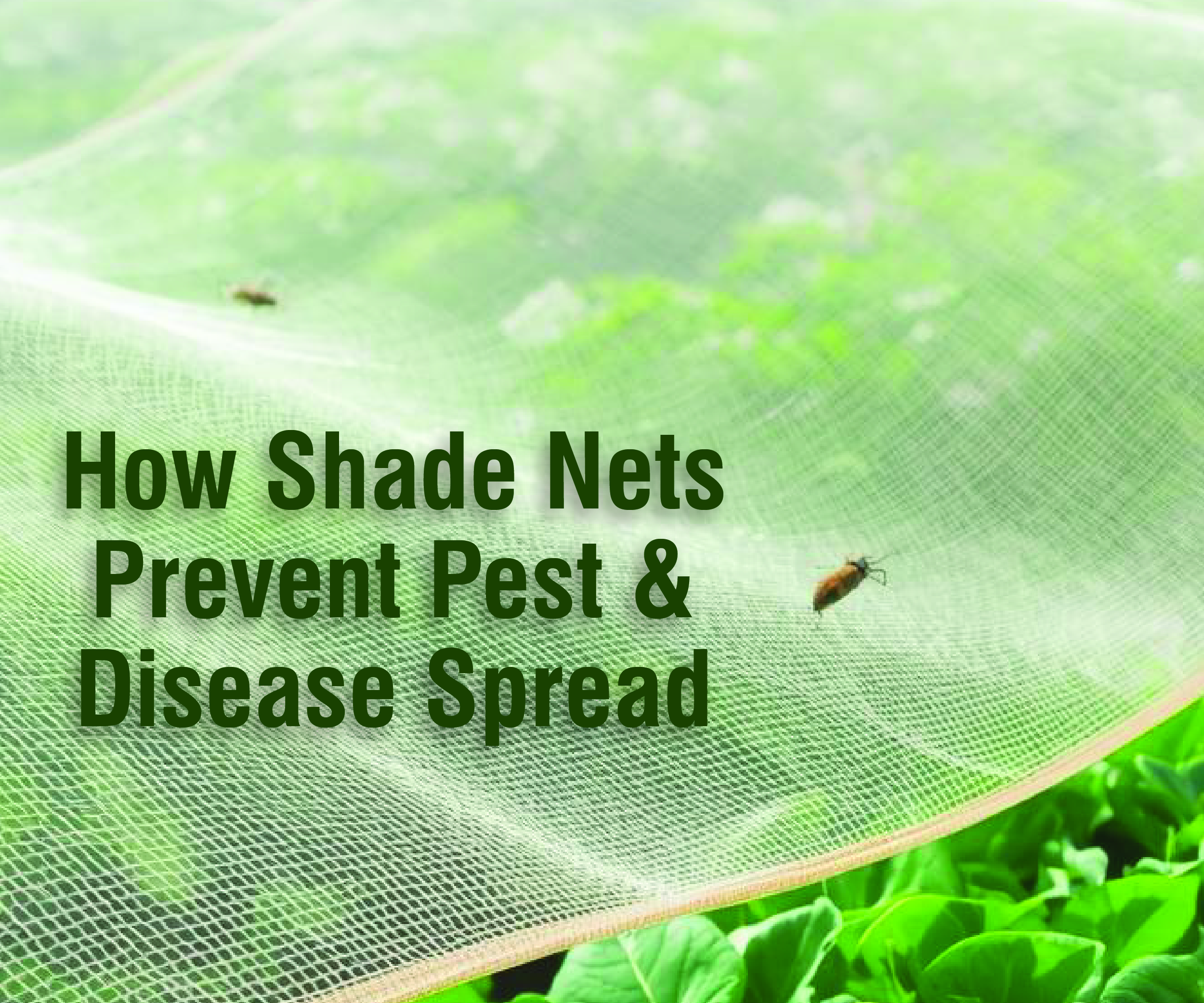
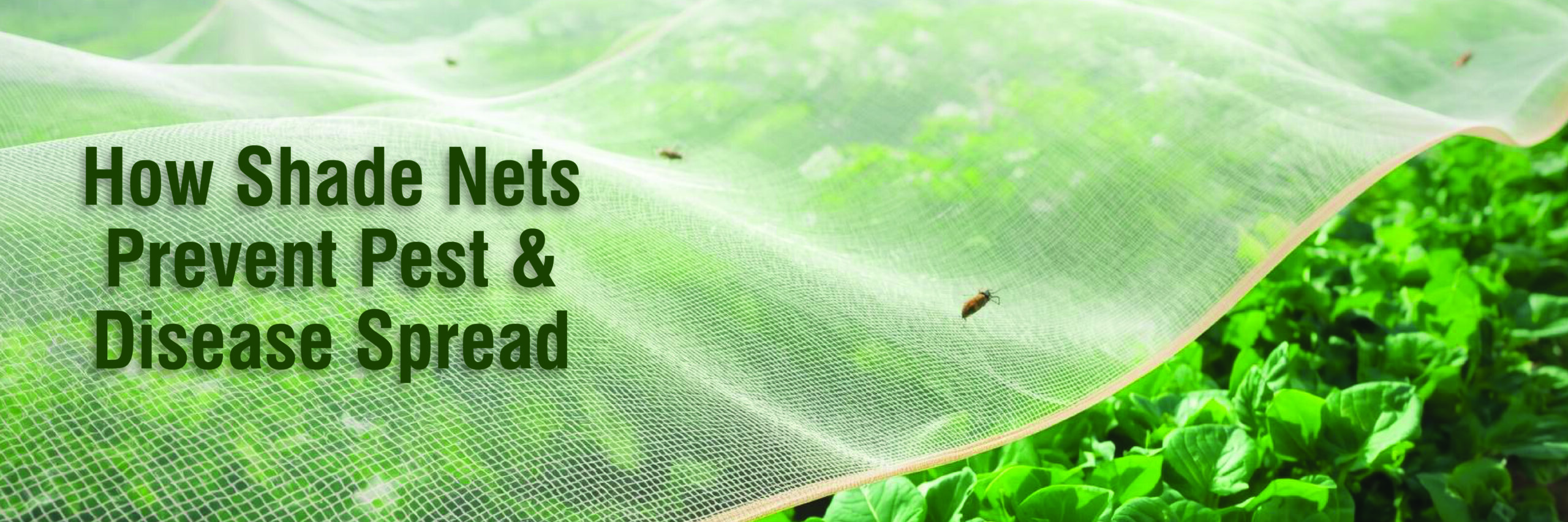
Exclusion: Specialized, very fine-mesh shade nets (often referred to as insect nets, or “netting”) are installed vertically on the sides of the structure. The tiny mesh openings are sized to be smaller than common pests like whiteflies, thrips, and aphids.
-
Reducing Vector Spread: This barrier is crucial because insects act as vectors, carrying viruses and bacteria from infected plants outside the net house to healthy crops inside. By blocking the vector, you stop the viral disease spread altogether.
2. Exclusion of Larger Pests
-
Bird and Rodent Control: The physical netting blocks larger animals, such as birds, rabbits, and rodents, which can cause significant physical damage to high-value plants and spread fecal-borne diseases.
3. Quicker Disease Identification
-
Containment: Because the net acts as a barrier, any disease that does appear is usually contained to the area within the structure. This makes localized identification and treatment much easier and prevents the rapid, field-wide spread common in open environments.
II. Environmental Control: Inhibiting Fungal and Bacterial Growth
Many plant diseases thrive in specific environmental conditions. Shade nets help disrupt this ideal climate, making life harder for pathogens.
1. Reducing Humidity and Condensation
-
The Problem: Fungal spores (like those causing Powdery Mildew and Downy Mildew) require a film of water on the leaf surface or high humidity to germinate and spread.
-
The Solution: While shade nets reduce temperature, when used with proper ventilation, they prevent extreme temperature fluctuations that cause condensation. The reduction in wind speed also leads to less physical damage, preventing entry points for bacteria.
2. Minimizing Stress-Induced Diseases
-
Stress = Weakness: Plants under stress (e.g., from excessive heat or dehydration) have weakened immune systems and are more susceptible to disease and pest damage.
-
The Benefit: By lowering the temperature and stabilizing moisture, the shade net keeps plants healthy and vigorous. A healthy plant is naturally more resistant to infection and recovers faster if disease does strike.
3. Controlling Soil Splash
-
Soil-Borne Disease: Many pathogens live in the soil. Heavy rain can cause soil and pathogens to splash up onto the lower leaves, leading to stem and leaf infection.
-
Mitigation: The net breaks the force of heavy raindrops, minimizing soil splash and keeping the critical lower leaves dry and clean.
III. The Advantage of Lower Chemical Inputs
Successful pest and disease prevention through shade nets leads directly to more sustainable and cost-effective farming.
1. Lower Input Costs
-
Reduced Frequency: With fewer initial infections and pest invasions, farmers can significantly reduce the frequency and volume of chemical sprays (pesticides, fungicides), leading to substantial savings.
2. Healthier Produce
-
Residue Reduction: Less reliance on chemical inputs results in produce with lower pesticide residues. This meets increasingly strict market standards and appeals to health-conscious consumers, allowing the farmer to command premium prices.
IV. Conclusion: A Key to Sustainable Health
Shade nets are an indispensable component of any modern, sustainable farm’s IPM strategy. They provide a physical defense against disease-spreading vectors, manipulate the microclimate to inhibit fungal growth, and keep plants stress-free and naturally resistant. By using the right net—especially fine-mesh insect netting—farmers can dramatically reduce their reliance on chemicals, achieving the twin goals of superior crop health and environmental responsibility.