
Introduction
Agriculture today is facing increasing challenges from climate change, water scarcity, and the need for higher productivity. Farmers are constantly looking for practical and cost-effective solutions to protect their crops and improve yield. One such essential innovation is agricultural shade nets.
These nets are widely used across India and globally to create a controlled growing environment. This blog provides complete product information and key features of agricultural shade nets, helping farmers, nursery owners, and agri-businesses make informed decisions.
What Are Agricultural Shade Nets?
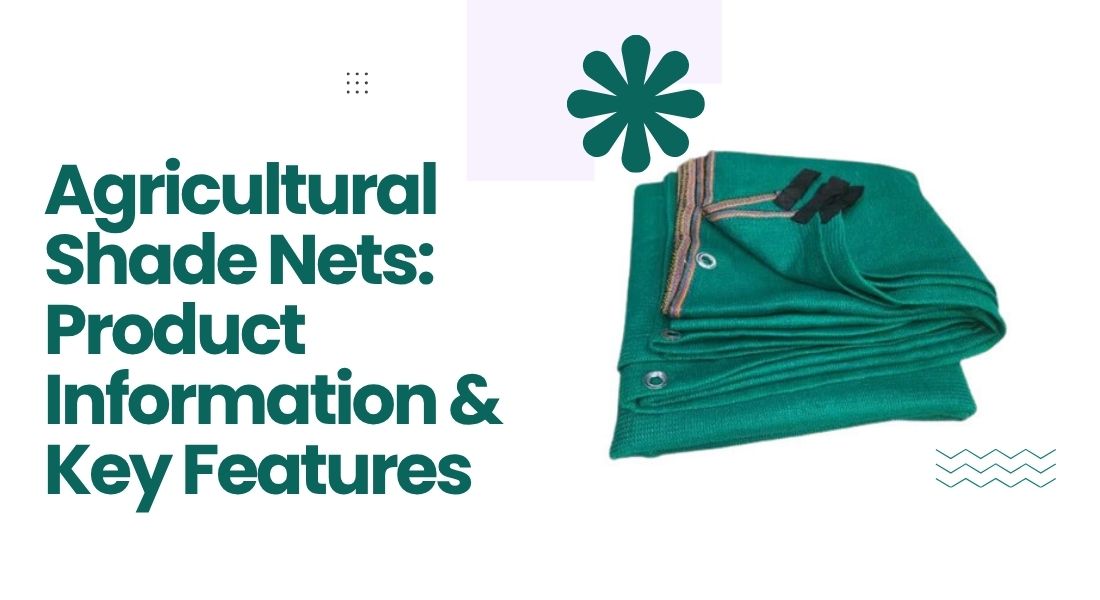
Agricultural shade nets are specially designed protective fabrics made from high-quality materials like High-Density Polyethylene (HDPE). They are used to regulate sunlight, temperature, humidity, and wind conditions for crops.
These nets are available in different shade percentages and colors, allowing farmers to customize the environment based on crop requirements and climate conditions.
Product Information: Agricultural Shade Nets
Material Composition
Most agricultural shade nets are made from HDPE (High-Density Polyethylene), a durable and lightweight plastic material. It is resistant to chemicals, moisture, and environmental stress, making it ideal for long-term outdoor use.
Manufacturing Technology
Shade nets are produced using advanced knitting technology, usually warp knitting. This method ensures flexibility, strength, and resistance to tearing.
UV Stabilization
A key feature of high-quality shade nets is UV stabilization. Special additives are added during manufacturing to protect the net from degradation caused by sunlight, ensuring longer life and consistent performance.
Shade Percentage
Shade nets are available in various shading levels such as:
- 30% to 50% – Suitable for nurseries and vegetables
- 50% to 75% – Ideal for horticulture and flowering plants
- 75% to 90% – Used for shade-loving crops and extreme heat conditions
Color Variants
Different colors serve different purposes:
- Green – General agricultural use
- Black – Maximum UV protection
- White – Reflects sunlight and reduces heat
- Red – Enhances plant growth and flowering in some crops
Key Features of Agricultural Shade Nets
1. Sunlight Control
Shade nets filter and diffuse sunlight, preventing excessive exposure that can damage crops. This helps maintain optimal light conditions for plant growth.
2. Temperature Regulation
By reducing direct heat, shade nets create a cooler microclimate, protecting crops from heat stress and improving growth conditions.
3. Water Conservation
Shade nets reduce evaporation rates, helping retain soil moisture and lowering irrigation requirements.
4. Protection from External Factors
They act as a barrier against strong winds, heavy rain, birds, and some pests, reducing crop damage.
5. Improved Crop Yield and Quality
Controlled environmental conditions lead to healthier plants, better growth, and higher productivity.
6. Durability and Long Lifespan
High-quality shade nets with UV stabilization can last for several years, making them a cost-effective investment.
7. Lightweight and Easy Installation
Shade nets are easy to handle and install, making them suitable for both small and large-scale farming.
Applications of Agricultural Shade Nets
Horticulture and Floriculture
Widely used for growing flowers, fruits, and vegetables that require controlled sunlight and temperature.
Nurseries
Essential for protecting young plants and seedlings during early growth stages.
Greenhouses and Shade Net Houses
Used as a covering material to create protected cultivation environments.
Vegetable Farming
Crops like tomatoes, capsicum, cucumbers, and leafy greens benefit significantly from shade net usage.
Urban Gardening
Increasingly used in terrace gardens and small urban farming setups.
Advantages of Using Agricultural Shade Nets
- Cost-effective compared to greenhouse systems
- Enhances crop protection and reduces losses
- Supports year-round cultivation
- Reduces dependency on chemical pesticides
- Improves overall farm efficiency
Factors to Consider Before Buying
Before purchasing agricultural shade nets, consider the following:
- Crop type and sunlight requirement
- Climate conditions in your region
- Required shade percentage
- Quality and UV stabilization
- Supplier reliability
Common Mistakes to Avoid
- Choosing incorrect shade percentage
- Buying low-quality or non-UV stabilized nets
- Ignoring installation quality
- Not matching net type with crop needs
Future of Agricultural Shade Nets
With the growing focus on sustainable and climate-resilient agriculture, the demand for agricultural shade nets is expected to increase significantly. Integration with modern technologies such as drip irrigation and smart farming systems will further enhance their effectiveness.
Conclusion
Agricultural shade nets have become an essential tool in modern farming, offering a reliable way to protect crops and improve productivity. With their advanced features, durability, and wide range of applications, they are a smart investment for farmers aiming for better yield and sustainable practices.
Understanding the product information and key features of agricultural shade nets can help you choose the right solution and maximize your farming success.