
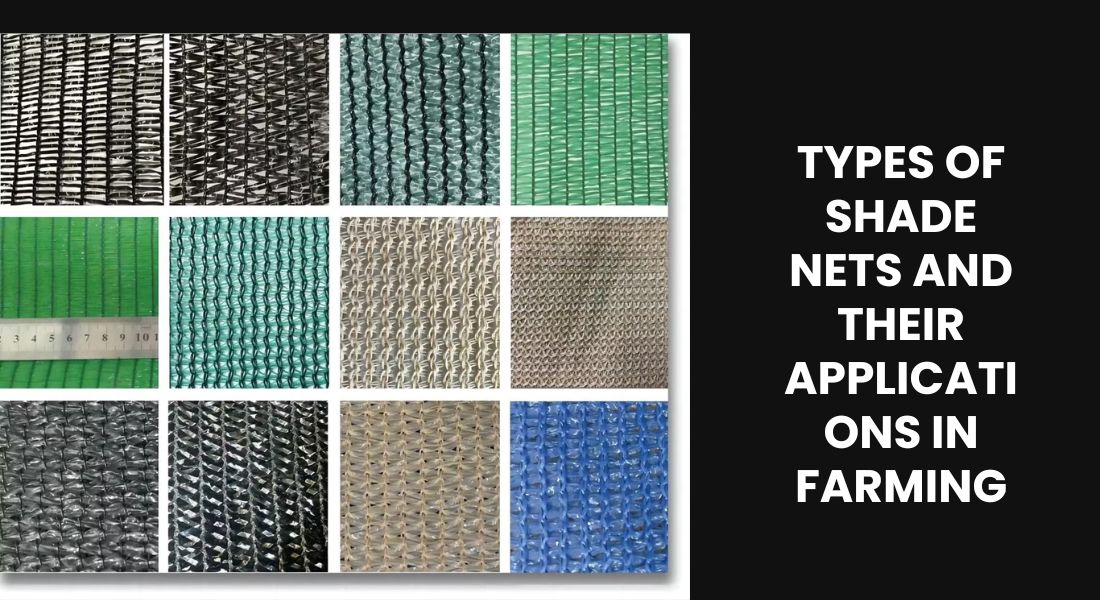
Shade nets have become an essential part of modern agriculture, helping farmers protect crops from excessive sunlight, high temperatures, strong winds, and pests. By creating a controlled growing environment, improve crop quality, increase yields, and reduce weather-related risks. Different types of They are available based on shade percentage, color, and application, making it important for farmers to choose the right option for their specific crops.
What is a Shade Net?
A shade net is a specially designed knitted fabric made from high-density polyethylene (HDPE) that provides protection against harsh environmental conditions. It controls the amount of sunlight reaching plants while maintaining proper airflow and moisture levels.
They are widely used in vegetable farming, floriculture, nurseries, fruit cultivation, and greenhouse farming.
Types of Shade Nets Based on Shade Percentage
1. 35% Shade Net
A 35% shade net allows most sunlight to pass through while providing light protection from intense heat.
Applications:
- Vegetable cultivation
- Seed germination
- Nursery plants
- Crops requiring moderate sunlight
Suitable Crops:
- Tomato
- Chilli
- Brinjal
- Cucumber
2. 50% Shade Net
This is one of the most commonly used is in agriculture. It provides balanced protection and sunlight control.
Applications:
- General farming
- Flower cultivation
- Horticulture
- Greenhouse structures
Suitable Crops:
- Roses
- Marigolds
- Capsicum
- Leafy vegetables
3. 75% Shade Net
A 75% shade net significantly reduces sunlight and is ideal for crops sensitive to direct heat.
Applications:
- Nurseries
- Indoor plant production
- Ornamental plant cultivation
Suitable Crops:
- Ferns
- Orchids
- Decorative plants
4. 90% Shade Net
This shade net offers maximum protection from sunlight and is mainly used for non-crop applications.
Applications:
- Parking areas
- Livestock shelters
- Construction sites
- Storage facilities
Types of Shade Nets Based on Color
Green Shade Net
Green are the most popular choice among farmers due to their versatility and effective light diffusion.
Benefits:
- Reduces heat stress
- Improves crop growth
- Suitable for most agricultural applications
Black Shade Net
Black provide excellent UV protection and higher shading efficiency.
Benefits:
- Controls excessive sunlight
- Reduces water evaporation
- Suitable for nurseries and livestock areas
White Shade Net
White shade nets reflect sunlight and help maintain cooler temperatures.
Benefits:
- Better light distribution
- Improved plant development
- Ideal for delicate crops
Red Shade Net
Red shade nets influence plant growth and flowering by modifying light wavelengths.
Benefits:
- Enhances flowering
- Promotes plant growth
- Suitable for floriculture
Blue Shade Net
Blue shade nets help improve leaf development and overall plant quality.
Benefits:
- Encourages vegetative growth
- Supports healthy foliage production
Agricultural Applications of Shade Nets
Vegetable Farming
Is protect vegetables from excessive heat, improving growth and reducing crop damage during summer months.
Floriculture
Flower growers use shade nets to improve flower quality, color, and production while protecting delicate blooms.
Nursery Management
Young seedlings require controlled sunlight and temperature conditions. Shade nets provide an ideal environment for healthy plant development.
Fruit Cultivation
Fruit crops benefit from reduced heat stress and improved moisture retention under shade net structures.
Greenhouse Farming
They are commonly integrated with greenhouse systems to regulate temperature and improve crop productivity.
Livestock Protection
Shade nets provide shelter for cattle, poultry, and other farm animals by reducing heat exposure and improving comfort.
Benefits of Using Shade Nets in Farming
- Protect crops from excessive sunlight
- Reduce temperature fluctuations
- Improve crop quality and yield
- Lower water consumption
- Minimize wind damage
- Support year-round cultivation
- Enhance seedling survival rates
- Increase profitability for farmers
How to Choose the Right Shade Net
When selecting a shade net, farmers should consider:
- Crop type
- Climatic conditions
- Required shade percentage
- Net color
- UV stabilization quality
- Durability and lifespan
Choosing the correct shade net ensures maximum crop protection and better agricultural returns.
Conclusion
Shade nets play a vital role in modern farming by creating favorable growing conditions and protecting crops from harsh environmental factors. Whether used for vegetables, flowers, nurseries, or livestock shelters, selecting the right shade percentage and color can significantly improve productivity and crop quality. Investing in a high-quality shade net is a smart decision for farmers looking to achieve sustainable and profitable agricultural growth.