
Introduction
Modern agriculture is rapidly evolving, and farmers are increasingly adopting innovative solutions to protect crops and improve productivity. One such essential tool is the HDPE shade net, widely used across India and other agricultural regions. Understanding HDPE shade nets—their technology, benefits, and applications—can help farmers, nursery owners, and agri-entrepreneurs make informed decisions.
What Are HDPE Shade Nets?
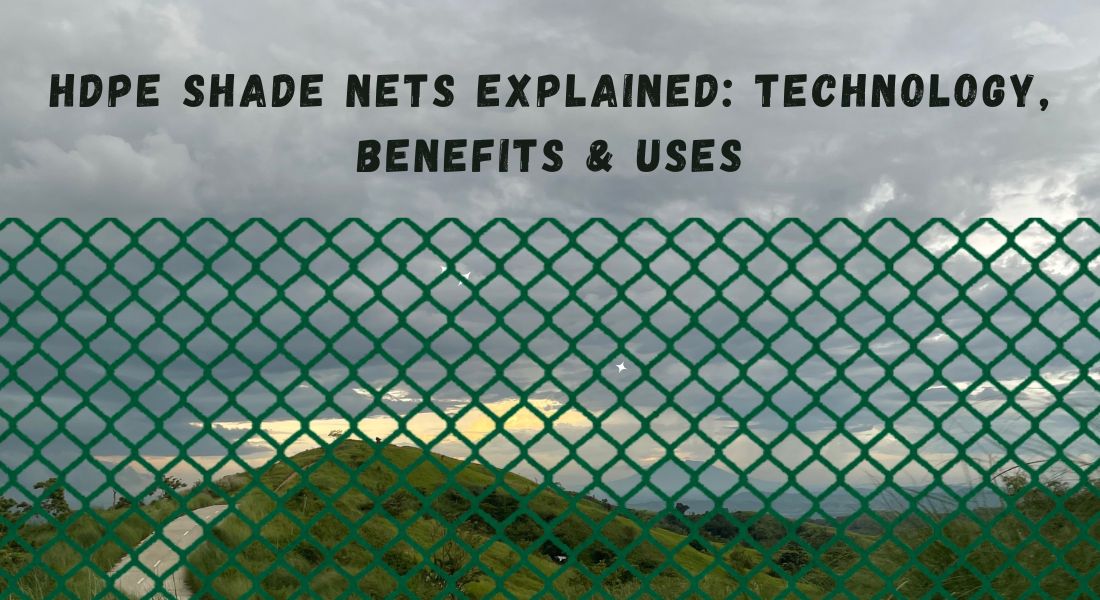
HDPE (High-Density Polyethylene) shade nets are durable, lightweight fabrics designed to regulate sunlight, temperature, and humidity. These nets are manufactured using advanced knitting technology and are commonly used in agriculture, horticulture, and commercial spaces.
They are available in various shade percentages (30%, 50%, 75%, 90%) and colors like green, black, white, and red, depending on crop requirements.
Technology Behind HDPE Shade Nets
1. High-Density Polyethylene (HDPE) Material
HDPE Shade Nets is a strong thermoplastic polymer known for its durability, flexibility, and resistance to chemicals and moisture. This makes shade nets long-lasting even under harsh outdoor conditions.
2. UV Stabilization
One of the most critical features of HDPE shade nets is UV stabilization. Special additives are mixed into the material during manufacturing to prevent degradation caused by prolonged exposure to sunlight.
3. Knitted Fabric Structure
Unlike woven fabrics, HDPE shade nets are typically warp-knitted. This structure provides:
- Better strength and flexibility
- Resistance to tearing
- Improved airflow and light diffusion
4. Shade Percentage Technology
The shade percentage determines how much sunlight is blocked:
- 30%–50%: Suitable for vegetables and nurseries
- 50%–75%: Ideal for flowers and horticulture crops
- 75%–90%: Used for shade-loving plants and extreme heat conditions
Key Benefits of HDPE Shade Nets
1. Temperature Control
HDPE shade nets reduce heat intensity by filtering sunlight, creating a cooler environment for crops.
2. Protection from Harsh Weather
They act as a barrier against strong winds, heavy rain, and excessive sunlight, reducing crop damage.
3. Water Conservation
By lowering evaporation rates, shade nets help retain soil moisture, reducing irrigation needs.
4. Improved Crop Quality and Yield
Controlled growing conditions result in healthier plants, better growth, and higher yields.
5. Pest and Bird Protection
Shade nets provide partial protection against insects, birds, and animals, especially when combined with net houses.
6. Long Lifespan
Thanks to UV stabilization and strong material, HDPE shade nets can last several years with minimal maintenance.
Common Uses of HDPE Shade Nets
1. Agriculture and Horticulture
Used extensively in vegetable farming, fruit cultivation, and floriculture to create controlled environments.
2. Nurseries
Ideal for protecting young plants and seedlings from direct sunlight and environmental stress.
3. Greenhouses and Polyhouses
HDPE shade nets are often integrated into protected cultivation structures to regulate internal conditions.
4. Terrace and Urban Gardening
Urban gardeners use shade nets to protect plants from extreme heat, especially in cities.
5. Commercial Applications
They are also used in:
- Parking areas (vehicle protection)
- Construction sites (dust control)
- Poultry farms (temperature regulation)
Choosing the Right HDPE Shade Net
When selecting a shade net, consider:
- Crop type and sunlight requirement
- Local climate conditions
- Required shade percentage
- Net color and durability
- UV stabilization quality
Challenges and Considerations
While HDPE shade nets offer many advantages, users should be aware of:
- Initial setup cost for shade net houses
- Risk of buying low-quality or non-UV stabilized nets
- Need for proper installation and maintenance
Future Scope of HDPE Shade Nets
With the growth of protected cultivation and climate-smart agriculture, the demand for HDPE shade nets is expected to rise significantly. Innovations such as smart shade systems and integration with IoT-based farming will further enhance their utility.
Conclusion
HDPE shade nets have become a cornerstone of modern agriculture, offering an efficient and cost-effective way to protect crops and improve productivity. With advanced technology, durability, and wide-ranging applications, they are set to play a crucial role in the future of farming.